

Table of Contents
- Quick Comparison: Best Single Origin Coffee Beans
- Single Origin vs Blend Coffee: What's the Real Difference?
- Lux Brew Coffee Co.: Roasted to Order for Peak Freshness
- JBC Coffee Roasters (Wilton Benitez Tabi Natural): For the Adventurous Palate
- Bones Coffee Company (Ethiopia Single-Origin): Bold and Accessible
- Colipse Coffee (Single-Origin Collection): Bulk Value for Daily Drinkers
- Broadcast Coffee (Colombia Del Campo): Transparency in Every Cup
- Best Brewing Methods for Single Origin Coffee
- How to Taste Coffee Flavor Notes Like a Pro
- Frequently Asked Questions
Last Updated: September 28, 2026
Quick Comparison: Best Single Origin Coffee Beans
Ask ten coffee professionals which single origin coffee is best and you'll get ten answers, because "best" depends on your palate. What separates a great single origin coffee from a mediocre one comes down to three measurable things: cupping score, traceability, and how recently it was roasted. This guide from This guide shows you how to match origin to taste.
Here's the short version before the detail:
| Coffee | Origin & Process | Roast Level | Best For | Price |
|---|---|---|---|---|
| Lux Brew Coffee Co. | Rotating single-estate micro-lots | Varies by lot | Peak freshness and ethical sourcing | See site |
| JBC Coffee Roasters (Wilton Benitez Tabi Natural) | Ethiopia, natural process | Light | Adventurous palates | $28 / 8 oz |
| Bones Coffee Company (Ethiopia Single-Origin) | Ethiopia, high-altitude | Medium | Accessible daily drinking | $17.99 / 12 oz |
| Colipse Coffee (Single-Origin Collection) | Rotating origins | Varies | Bulk buyers and daily drinkers | $21.50 / 12 oz |
| Broadcast Coffee (Colombia Del Campo) | Colombia, washed process | Medium-light | Traceability-focused drinkers | $22 / 12 oz |
Single Origin vs Blend Coffee: What's the Real Difference?
Single origin coffee is coffee sourced from one specific place: a single farm, estate, cooperative, or region within one country. A blend combines beans from multiple origins to create a consistent, balanced cup.
Lux Brew Coffee Co.: Roasted to Order for Peak Freshness
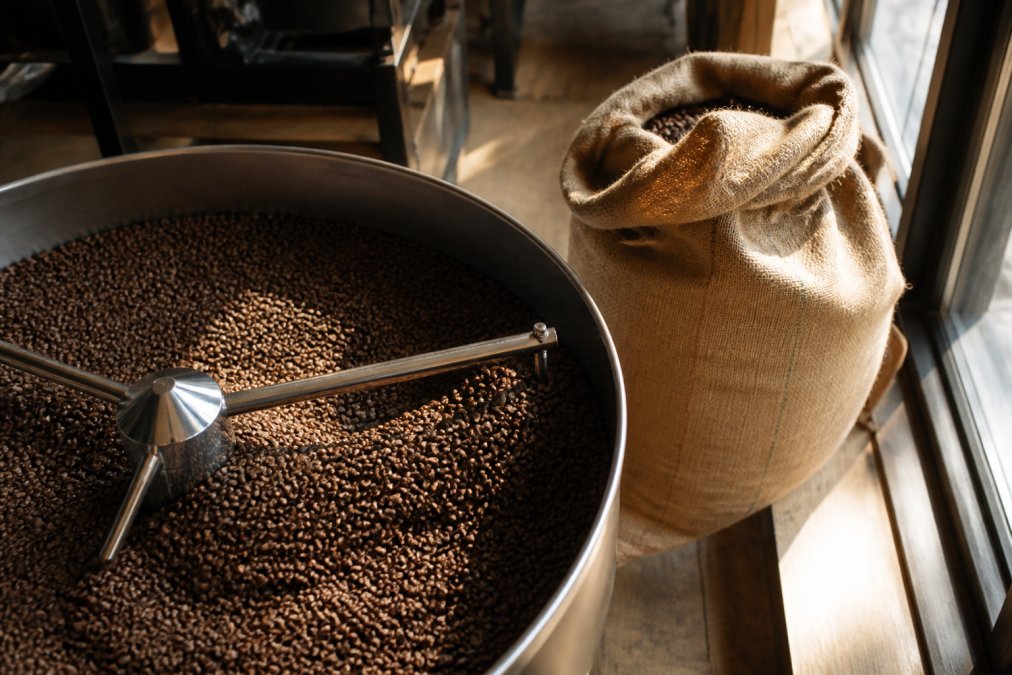
Freshness is the biggest variable a roaster controls. Every batch is roasted to order and shipped within hours, so the beans on your doorstep are days old, not months.
Pros:
- Roasted to order, shipped within hours
- Specialty grade coffee from family farms
- Rotating single-origin selection
Cons:
- Specific origins rotate, so a favorite lot may sell out
JBC Coffee Roasters (Wilton Benitez Tabi Natural): For the Adventurous Palate
JBC Coffee Roasters built its reputation on high-scoring beans, and the Wilton Benitez Tabi Natural shows what experimental processing can do. The Tabi varietal, grown in Colombia and processed naturally, produces a complex, fruit-forward cup.
Pros:
- Distinctive, complex flavor notes
- Small-batch roasting
- Experimental processing methods
Cons:
- Premium price point for an 8-ounce bag
Best for: Coffee enthusiasts chasing unusual flavor profiles.
Bones Coffee Company (Ethiopia Single-Origin): Bold and Accessible
Bones Coffee Company takes the opposite approach to JBC: broad availability, consistent quality, and a price that makes single origin coffee an everyday habit rather than a splurge. Its Ethiopia offering comes from high-altitude regions and is small-batch roasted.
Pros:
- Strong brand availability and consistent roast quality
- Works across brewing methods
Cons:
- Fewer rare micro-lots than boutique roasters
Colipse Coffee (Single-Origin Collection): Bulk Value for Daily Drinkers
Colipse Coffee solves a specific problem: drinking two or three cups a day without paying boutique prices for every bag. Colipse sells 2-pound and 5-pound bags of made-to-order single-origin beans, starting at $21.50 per 12 ounces.
Pros:
- Cost-effective for heavy daily drinkers
- Roasted to order
Cons:
- Larger upfront investment
Best for: Households that go through coffee quickly.
Broadcast Coffee (Colombia Del Campo): Transparency in Every Cup
Broadcast Coffee's Colombia Del Campo is for drinkers who read the label before the tasting notes. The roaster maintains direct trade relationships with farmers and focuses on clarity of regional flavor, which shows in the washed cup: clean, bright, and easy to trace to its source.
Pros:
- High sourcing transparency
- Excellent flavor clarity
Cons:
- Seasonal availability
Best Brewing Methods for Single Origin Coffee
| Origin & Process | Acidity | Body | Best Brew Method | Why It Works |
|---|---|---|---|---|
| Ethiopia, natural (e.g., Yirgacheffe) | High | Light-medium | Hario V60 or Chemex | Paper filters trap oils and sediment, so berry and floral aromatics read clean instead of muddy |
| Ethiopia or Kenya, washed | Very high | Light | V60, Kalita Wave | Flat-bed and cone pour-overs reward the juicy, tea-like clarity these lots are prized for |
| Colombia or Guatemala, washed | Medium-high | Medium | Drip or pour-over | Balanced enough that either method preserves caramel and citrus without flattening them |
| Brazil or Sumatra, natural or wet-hulled | Low | Heavy | French press or moka pot | Metal mesh and pressure let the syrupy body and earthy notes through instead of filtering them out |
| Any origin, dark roast | Low | Heavy | Espresso or cold brew | Pressure and long cold extraction cut through smoke and bittersweet chocolate notes |
- Pour-over (V60, Chemex): medium-fine grind, roughly the texture of table salt; 1:16 coffee-to-water by weight (about 22 g coffee to 350 g water).
- Drip: medium grind; 1:16 to 1:17.
- French press: coarse grind, like sea salt; 1:15; steep 4 minutes, then press slowly.
- Espresso: fine grind; 1:2 ratio (18 g dose to about 36 g yield) in 25-30 seconds.
- Cold brew: coarse grind; 1:8 concentrate, steep 12-18 hours, then dilute to taste.
Water matters more than most buyers expect. The Specialty Coffee Association's water standard calls for roughly 50-150 ppm total dissolved solids, with hardness near 50-175 ppm as calcium carbonate. Distilled or aggressively filtered water extracts poorly and tastes flat; very hard water over-extracts and tastes chalky. If your tap water is extreme either way, a charcoal filter or bottled "coffee water" blend gets you into range.
How to Taste Coffee Flavor Notes Like a Pro
The protocol, step by step:
- Smell the dry grounds. Note the first impression before any water touches them.
- Pour water just off boil (about 200-205°F) over the grounds and start the timer.
- At 4 minutes, break the crust. Push the floating grounds aside with a spoon and lean in, this is when the most intense aromatics release. Write down what you smell.
- Skim the foam and grounds off the surface.
- Wait until the cup cools to about 160°F, then slurp from the spoon. Slurping sprays the liquid across your palate and pushes aroma up into your nasal cavity, where most of what you call "taste" actually happens.
- Re-taste as it cools. Flavors shift dramatically between 160°F and room temperature; a coffee that tastes flat hot often opens up as it cools.
- Fragrance/Aroma, dry and wet smell
- Flavor, the main taste impression
- Aftertaste, how long and pleasant the finish is
- Acidity, the bright, tangy, juicy sensation (not the same as sourness)
- Body, the weight and texture on your tongue
- Balance, whether sweetness, acidity, and bitterness sit in proportion
- Sweetness, the natural sugars, not added sugar
- Clean cup, absence of off-flavors like rubber, cardboard, or mold
- Uniformity, whether every cup of the same bean tastes the same
- Overall, your holistic judgment
Build a reference vocabulary. Flavor notes are learned by association, not memorization. The World Coffee Research Sensory Lexicon catalogs more than 100 standardized attributes with reference standards, the reference for "vanilla," for example, is a specific concentration of vanilla extract in water, so cuppers everywhere describe the same sensation the same way. Approximate it at home: keep strawberry jam, dark chocolate, a lemon, and almonds nearby, smell each, then smell the coffee. When a note clicks, you'll know it.
Common mistakes that flatten your palate:
- Cupping coffee that's too fresh. Beans less than 3-4 days off roast are still degassing and taste sharp and gassy. Wait at least 4 days.
- Using too little coffee. Under-dosing makes everything taste weak and thin, which you'll misread as "low body."
- Tasting only hot. The most interesting notes appear as the cup cools.
- Drinking coffee right after brushing your teeth or eating something sweet. Both distort perception for 20-30 minutes.
- Cupping more than four or five coffees at once. Palate fatigue sets in fast; after about five cups, everything starts tasting the same.
Frequently Asked Questions
What is the best single origin coffee for beginners?
Beginners often prefer Colombian or Brazilian single origin coffees because they have balanced acidity, natural sweetness, and mild nutty or chocolate notes. These origins are forgiving across brewing methods, so small mistakes won't ruin the cup. Start with a medium roast from a roaster that ships within days of roasting, like Lux Brew Coffee Co., and try it in a drip brewer or French press before exploring brighter African beans.
Is single origin coffee always better than a blend?
No. Single origin coffee highlights one region's distinct flavor profile, which appeals to drinkers who want clarity and traceability. Blends, however, are designed for consistency and balance, often at a lower cost. A well-crafted blend can outperform a mediocre single origin. The choice depends on whether you value a unique terroir expression or a reliable everyday cup. Try both to see which fits your taste.
How should I brew single origin coffee to highlight its flavor notes?
Match the brew method to the origin. Bright, fruity African beans shine in pour-over or Chemex, which preserve acidity and delicate aromatics. Chocolaty Latin American beans work well in espresso or moka pot. For a full-bodied cup, use a French press. Water temperature between 195°F and 205°F and a medium grind are good starting points. Adjust grind size and ratio to taste, noting how sweetness and acidity shift.
What does the roast level tell me about a single origin coffee?
Roast level affects how much of the origin's character you taste. Light roasts preserve floral, fruity, and acidic notes, making them ideal for pour-over. Medium roasts balance origin flavors with caramelized sweetness. Dark roasts mask origin nuances with smoky, bitter tones. For single origin coffee, choose light to medium roasts to appreciate the bean's terroir. If you prefer darker roasts, look for beans with naturally bold profiles, like Sumatra or Brazil.
How does altitude affect the quality of single origin coffee?
Higher altitudes, typically 1,200 to 2,000 meters, slow cherry maturation, allowing sugars to develop and creating denser beans with more complex acidity and aroma. Lower-altitude coffees tend to be milder and less acidic. For example, Ethiopian beans grown above 1,800 meters often show vivid berry and floral notes. When shopping, check the altitude on the label; it's a strong indicator of quality and flavor intensity.