

Table of Contents
- What Makes Single-Origin Coffee Flavor Profiles Distinct
- Regional Flavor Profiles: Africa, Americas, and Asia-Pacific
- How Altitude and Terroir Shape Coffee Flavor
- Impact of Coffee Processing on Flavor
- Coffee Roast Level Flavor Guide
- How to Identify Tasting Notes and Build a Coffee Tasting Notes Chart
- Seasonality and Freshness in Single-Origin Selection
- Brewing Method Impact on Origin Expression
- Frequently Asked Questions
Last Updated: September 17, 2026
What Makes Single-Origin Coffee Flavor Profiles Distinct
Single origin coffee flavor is defined by where the beans grow. Unlike blends that combine beans from multiple regions, single-origin coffees come from one specific farm, region, or country. This geographic specificity creates measurable differences in how the coffee tastes, smells, and feels in your mouth.
The flavor profile emerges from a combination of environmental factors. Altitude, soil composition, rainfall, and temperature all influence how the coffee plant develops. When you brew a single-origin coffee, you're tasting the direct result of these conditions. A coffee from Ethiopia will taste fundamentally different from one grown in Colombia, even if both are roasted to the same level.
Understanding these flavor differences helps you select beans that match your brewing method and personal preference. Some single-origin coffees shine in a French press, while others perform better through pour-over or espresso. The key is recognizing what characteristics the origin brings to the cup before you buy.
Regional Flavor Profiles: Africa, Americas, and Asia-Pacific
Coffee-growing regions produce distinctly different flavor characteristics. The combination of altitude, rainfall patterns, soil type, and local farming traditions creates regional signatures that experienced tasters recognize immediately.
African Origins: Floral and Fruity Notes
African coffees are prized for their bright acidity and pronounced fruity notes. Beans from Ethiopia, Kenya, and Rwanda often display flavors of berries, stone fruit, and citrus. Many African coffees also carry floral or tea-like qualities that set them apart from other origins.
The natural process, commonly used in Africa, intensifies these fruity characteristics. When coffee cherries dry whole in the sun before the beans are removed, the fruit sugars infuse into the bean. This results in coffees with higher perceived sweetness and more complex fruit flavors.
Americas: Balanced Sweetness and Body
Central and South American coffees deliver balanced flavor profiles with moderate acidity and fuller body. Colombian, Costa Rican, and Brazilian coffees form the backbone of many specialty coffee selections because they're approachable yet interesting.
Asia-Pacific: Earthy and Full-Bodied
Asian coffees, particularly from Indonesia and Vietnam, are known for earthy, herbaceous, and full-bodied characteristics. These coffees often show flavors of leather, tobacco, cedar, and spice. The mouthfeel tends to be heavier than African or Central American origins.
How Altitude and Terroir Shape Coffee Flavor
Altitude fundamentally affects how coffee develops. Beans grown at higher elevations mature more slowly, allowing more complex sugars and acids to form. A coffee grown at 2,000 meters will taste noticeably different from the same variety grown at 1,000 meters.
Impact of Coffee Processing on Flavor
Processing method is the second most influential factor in coffee flavor, after origin. How the coffee cherry is removed from the bean and how the bean is dried dramatically changes the final taste.
Washed Process: Clean Acidity
The washed process removes the fruit layer before drying. The coffee cherry is pulped, the beans are fermented briefly, then washed clean and dried. This process emphasizes the bean's natural sweetness and creates cleaner, brighter acidity.
Natural Process: Fruity and Sweet
Natural process dries the entire coffee cherry whole. The bean sits inside the fruit while it dries, allowing the fruit sugars to infuse into the bean. This creates higher perceived sweetness and more pronounced fruity notes.
Honey Process: Balanced Complexity
Honey process (also called pulped natural) removes the fruit skin but leaves some of the sticky fruit layer on the bean during drying. This creates a middle ground between washed and natural.
Coffee Roast Level Flavor Guide
Roast level influences how much of the origin's inherent flavor comes through versus how much roasted flavor develops. Light roasts emphasize origin characteristics. Dark roasts emphasize roasted flavors like chocolate and smoke.
How to Identify Tasting Notes and Build a Coffee Tasting Notes Chart
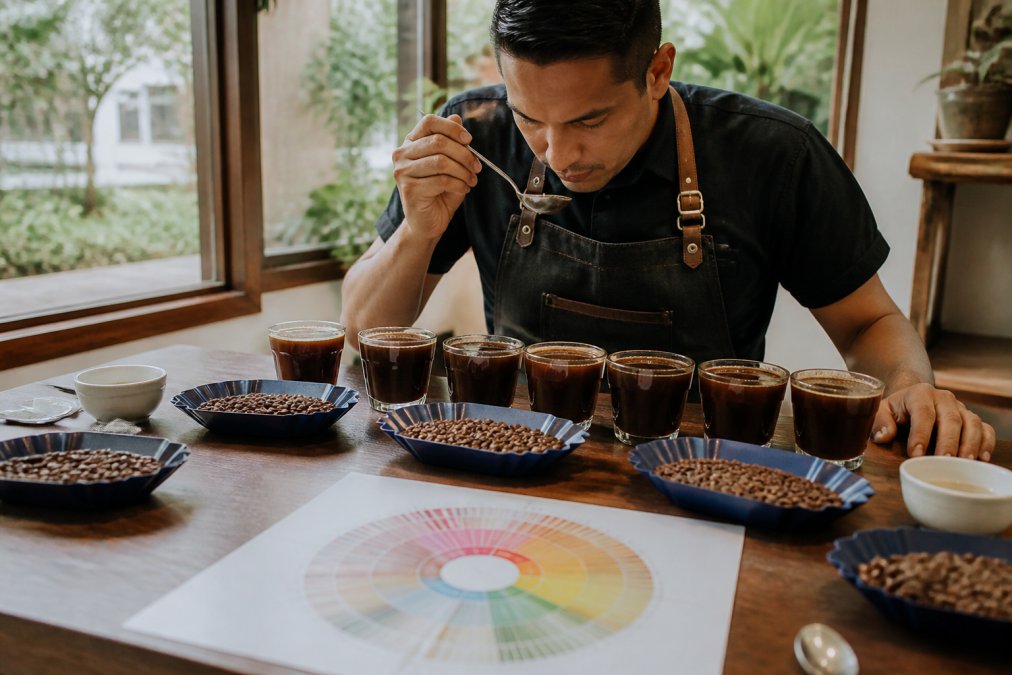
Learning to identify tasting notes takes practice but follows a logical process. Professional cuppers use a standardized flavor wheel that organizes tastes into categories. You can build your own personal tasting notes chart by systematically evaluating what you taste.
Seasonality and Freshness in Single-Origin Selection
Coffee is an agricultural product with harvest seasons. A coffee available in January might not be available in August because the harvest in that origin happens at a specific time each year. Understanding seasonality helps you select fresh coffees and understand flavor variation.
Brewing Method Impact on Origin Expression
Different brewing methods extract different flavor compounds from coffee. The brewing method you choose influences which aspects of the single origin coffee flavor profile shine through.
Frequently Asked Questions
What are the primary flavor profiles associated with different coffee-growing regions?
African coffees typically exhibit floral and fruity notes like berries and citrus due to higher altitudes and volcanic soil. Americas-grown beans deliver balanced sweetness with chocolate and nutty undertones. Asia-Pacific origins tend toward earthy, full-bodied profiles with spicy or herbal characteristics. These differences stem from altitude, climate, soil composition, and processing methods unique to each region. Single-origin coffee flavor profiles vary dramatically based on terroir, making region selection the first step in finding your preferred taste.
How does altitude affect the flavor profile of single-origin coffee?
Higher altitudes slow bean maturation, allowing more complex sugars and acids to develop. Beans grown above 5,000 feet typically display brighter acidity, more pronounced floral notes, and greater sweetness. Lower-altitude coffees mature faster and tend toward heavier body, chocolatey notes, and lower acidity. Altitude directly influences bean density and chemical composition, making it one of the most significant factors in single-origin coffee flavor profiles. Premium specialty coffees usually come from high-altitude regions where these extended growing seasons create complexity.
How do processing methods like washed vs. natural impact coffee flavor?
Washed processing removes the fruit before drying, emphasizing the bean's inherent acidity and clarity, resulting in clean, bright tasting notes. Natural processing leaves the fruit intact during drying, allowing sugars to ferment into the bean, creating fruity sweetness and full mouthfeel. Honey processing sits between them, with partial fruit contact adding sweetness while maintaining some acidity. The impact of coffee processing on flavor is profound: the same varietal can taste entirely different depending on method. Each approach highlights different aspects of the bean's origin characteristics and terroir.
Why does roast level change the flavor profile of single-origin beans?
Light roasts preserve origin-specific tasting notes like floral and fruity characteristics, allowing terroir to shine through with bright acidity. Medium roasts balance origin flavors with roast-induced sweetness and body. Dark roasts develop bold, chocolatey, and smoky notes that can mask delicate origin characteristics. Your coffee roast level flavor guide should match your brewing method and preference: light for pour-over clarity, medium for espresso balance, dark for full immersion brewing. The coffee roast level flavor guide helps you select roasts that complement rather than obscure your single-origin's unique profile.
How can I identify tasting notes in my morning cup of coffee?
Start by noting basic categories: fruity, floral, nutty, chocolatey, or spicy. Slurp the coffee to aerate it across your palate, which heightens aroma perception. Compare what you taste to familiar foods: does it remind you of berries, citrus, almonds, or cocoa? Temperature affects perception, so taste again as it cools. Build your own coffee tasting notes chart by recording which origins produce which flavors, helping you recognize patterns. With practice, you'll identify specific notes like stone fruit or caramel. A coffee tasting notes chart becomes your personal flavor reference guide for future purchases.
What is the difference between single-origin and blended coffee?
Single-origin coffee comes from one country, region, or farm, allowing you to taste distinct terroir and processing characteristics. Blended coffee combines beans from multiple origins to achieve consistent flavor, balance acidity and body, or create signature taste profiles. Single-origin emphasizes variety and exploration, with flavor profiles that change seasonally and by harvest. Blends offer reliability and complexity through intentional combination. For those seeking to understand single-origin coffee flavor profiles, single-origin purchases are the best learning tool since each bag reveals how altitude, processing, and environment shape taste.
Why should I choose freshly roasted coffee over grocery store beans?
Coffee begins losing aromatic compounds and flavor complexity within days of roasting. Grocery store beans are often roasted weeks or months before purchase, resulting in flat, muted flavors that obscure origin characteristics. Freshly roasted single-origin beans preserve acidity, sweetness, and tasting notes that define regional profiles. Roasting to order ensures peak freshness, allowing you to experience the full complexity of terroir, processing method, and varietal. The difference between stale and fresh beans is immediately noticeable in body, aroma, and aftertaste, making freshness essential for appreciating single-origin flavor profiles.
Can I taste the difference with single-origin beans if I'm a casual coffee drinker?
Yes. Single-origin beans show flavor differences even in basic brewing methods. The distinction between a bright African coffee and a chocolatey South American bean is obvious to any palate. You don't need expensive equipment to notice these differences, though better brewing methods reveal more nuance. Start with light or medium roasts, which highlight origin characteristics more clearly than dark roasts. Casual drinkers often find single-origin selection empowering because you can taste why different origins matter. Freshness amplifies these differences, making roasted-to-order beans ideal for discovering your flavor preferences.