

Table of Contents
- What Defines Micro-Lot Coffee
- How Micro-Lots Are Separated and Identified
- Single Origin vs Micro-Lot Coffee: Understanding the Difference
- What Is Specialty Coffee Grade and How It Relates to Micro-Lots
- Why Micro-Lot Coffee Commands Premium Pricing
- How to Brew Micro-Lot Coffee at Home
- Storage and Freshness: Preserving Your Micro-Lot Investment
- Frequently Asked Questions
Last Updated: September 20, 2026
What Defines Micro-Lot Coffee
Micro-lot coffee is coffee sourced from a small, specific section of a farm, sometimes just a few acres or even a single plot, that's separated, processed, and sold as its own distinct batch. Unlike broader categories like single-origin coffee, which can encompass beans from an entire region or country, micro-lot coffee narrows the focus dramatically. You're buying coffee from a precise location with its own unique terroir, processing method, and harvest date.
This precision matters because it captures the distinct characteristics of a particular environment. A micro-lot might come from the north-facing slope of one farm, where elevation, soil composition, and microclimate create flavor profiles you won't find elsewhere on the same property. The result is coffee with remarkable specificity, coffee that tastes like nowhere else, because it literally comes from nowhere else.
At Lux Brew Coffee Co., we source micro-lot coffees directly from ethical family farms, where farmers have the expertise and incentive to manage small plots with exceptional care. When you roast and brew a micro-lot, you're experiencing the farmer's knowledge, the land's character, and the roaster's skill all in one cup.
How Micro-Lots Are Separated and Identified
Micro-lots begin with intentional separation at harvest. A farmer might divide their land into distinct plots based on elevation, soil type, or the specific cultivar planted there. When harvest arrives, beans from each plot are kept separate, not mixed with fruit from other areas of the farm. This separation is the foundation of everything that follows.
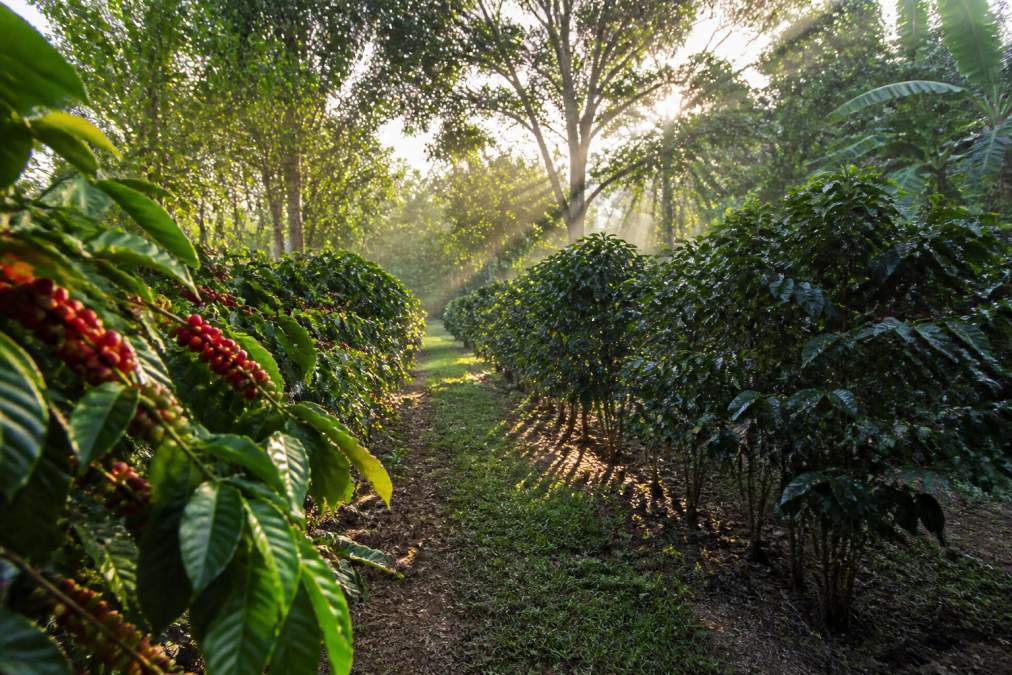
Post-harvest management deepens the distinction. The processing method chosen, whether washed, natural, or honey process, is often applied consistently to each micro-lot, amplifying the plot-specific characteristics. A washed micro-lot will taste different from a natural-process micro-lot from the same farm, because the processing method extracts and highlights different elements of the bean.
Identification happens through detailed lot tracking. Each micro-lot receives documentation: harvest date, elevation, cultivar, processing method, and sometimes even the farmer's name or family history on that specific plot. This traceability is crucial. When you buy a micro-lot, you're not just buying coffee, you're buying a story backed by verifiable information about where it came from and how it was handled.
The separation isn't arbitrary. Farmers and exporters recognize that small batches from distinct microclimates or with different processing approaches deserve their own identity. This distinction allows specialty roasters to evaluate each lot individually, assign quality grades through cupping, and price them according to their unique characteristics.
Single Origin vs Micro-Lot Coffee: Understanding the Difference
Single-origin coffee comes from a specific country or region, sometimes as broad as an entire country, sometimes narrowed to a region or farm. Micro-lot coffee is a subset of single-origin: it's still from a single origin, but it's sourced from a much smaller, more precisely defined location.
Think of single-origin as the category and micro-lot as the precision. A single-origin Ethiopian coffee might come from anywhere in Ethiopia. A micro-lot Ethiopian coffee comes from a specific farm, a specific plot on that farm, and a specific harvest date. The geographic narrowing creates flavor consistency and uniqueness that broader single-origin batches can't match.
The practical difference appears in your cup. A single-origin coffee from a region shows the general characteristics of that region's climate, altitude, and traditional processing styles. A micro-lot from the same region might taste noticeably different because it's from one farmer's specific land, processed their specific way, at their specific harvest time. Micro-lots reveal nuance; single-origin batches reveal regional patterns.
Pricing reflects this distinction. Single-origin coffees are often more affordable because the supply is larger and the sourcing less specific. Micro-lots cost more because they're limited, require more careful handling to maintain separation, and command higher prices from specialty roasters who value their uniqueness.
| Characteristic | Single Origin | Micro-Lot |
|---|---|---|
| Geographic scope | Country or region | Specific farm plot |
| Supply volume | Larger batch | Limited batch |
| Flavor consistency | Regional profile | Lot-specific profile |
| Traceability detail | Farm or region level | Plot and harvest date level |
| Price point | Moderate | Premium |
| Availability | More consistent | Seasonal and limited |
What Is Specialty Coffee Grade and How It Relates to Micro-Lots
Specialty coffee grade is a quality classification assigned through cupping, a formal tasting process where trained evaluators score coffee on multiple sensory dimensions. The Specialty Coffee Association (SCA) uses a 100-point scale, with scores of 80 and above designated as "specialty grade." Below 80, coffee is classified as commercial grade, regardless of origin or processing method.
Micro-lots almost always pursue specialty-grade classification because their small volume and premium positioning demand it. A cupping score of 85 or higher tells buyers that the coffee has been evaluated by trained professionals and meets rigorous sensory standards. The score reflects cleanliness, sweetness, acidity, body, balance, flavor complexity, and aftertaste, factors that directly influence how the coffee tastes when you brew it.
The cupping process itself is revealing. Evaluators brew the coffee using standardized methods, then taste it at different temperatures as it cools, noting how flavors evolve. A micro-lot that scores 87 might show bright citrus notes early, then develop chocolate and stone fruit as it cools. This kind of detailed feedback helps roasters understand what they have and helps buyers decide if a particular lot matches their preferences.
Specialty-grade designation is not automatic for micro-lots. A small batch from a specific plot is no guarantee of quality. What it guarantees is specificity. The cupping score, however, is what transforms that specificity into demonstrated excellence. Many micro-lots achieve specialty grades because the farmers and exporters involved have the knowledge and incentive to manage small batches with precision.
Why Micro-Lot Coffee Commands Premium Pricing
Micro-lot coffee costs more for several interconnected reasons, all rooted in scarcity and specificity.
First, volume is limited. A single micro-lot might yield only a few hundred pounds of green coffee, the raw beans before roasting. Once roasted, that becomes even less finished product. A standard coffee farm might produce thousands of pounds per harvest; a micro-lot produces a fraction of that. Lower supply, with demand from specialty roasters and enthusiasts, naturally drives prices up.
Second, handling costs are higher. Keeping a micro-lot separate from harvest through export requires deliberate logistics. The farmer must process it distinctly, the exporter must track it individually, and the importer must store it separately. These operational costs are spread across a smaller volume, making the per-pound cost higher than for bulk lots.
Third, specialty roasters pay premium prices for micro-lots because they can command premium prices when selling them. A roaster who sources a micro-lot with a cupping score of 87 can market it as a limited, scored, traceable product. Customers willing to pay more for specificity and quality justify the roaster's investment in that lot.
Fourth, direct-trade relationships often support micro-lot pricing. Many micro-lots are sourced directly from farmers rather than through commodity channels. Direct relationships allow farmers to receive fair prices that reflect their work, and they allow roasters to invest in quality knowing they're supporting specific producers. This relationship-based pricing is typically higher than commodity pricing but more stable and equitable.
Finally, freshness commands a premium.
How to Brew Micro-Lot Coffee at Home
Brewing micro-lot coffee well requires attention to a few key variables. Because you've invested in a specific, high-quality lot, the goal is to extract the flavors that cupping revealed and that the farmer and roaster worked to preserve.
Storage and Freshness: Preserving Your Micro-Lot Investment
Micro-lot coffee is most flavorful within 2-4 weeks of roasting. After that window, flavor compounds gradually fade. Proper storage extends peak freshness and protects your investment.
Frequently Asked Questions
What defines a micro-lot of coffee?
A micro-lot is a small batch of coffee beans sourced from a specific farm plot, harvest date, and processing method. Unlike larger single-origin shipments, micro-lots are typically limited in volume and traceable to exact growing conditions. This separation allows roasters and consumers to experience the distinct flavor profile created by that particular plot's terroir, cultivar, and post-harvest handling. Micro-lots often carry a harvest date and cupping score, providing transparency about quality and freshness.
How is micro-lot coffee different from single-origin coffee?
Single-origin coffee comes from one country or region but may blend beans from multiple farms, plots, and harvest dates. Micro-lot coffee is a subset of single-origin that isolates a specific farm plot or small section, offering precise traceability and consistent flavor. While single-origin provides regional character, micro-lots emphasize the uniqueness of one small batch. This precision in separation makes micro-lots more expensive but allows you to taste exactly how that plot's soil, elevation, and processing method shaped the beans.
Why is micro-lot coffee more expensive?
Micro-lot pricing reflects the cost of careful lot separation, quality control, and limited supply. Farmers and producers invest time in harvesting and processing specific plots separately, tracking cupping scores, and maintaining supply chain transparency. Specialty roasters then roast these small batches to order, ensuring peak freshness. The premium also supports direct trade relationships with family farms and sustainable farming practices. You're paying for traceability, freshness, and the sensory experience of tasting coffee from one specific microclimate.
Does micro-lot coffee always taste better?
Micro-lot coffee offers distinct and often exceptional flavor profiles, but 'better' depends on your palate and brewing method. A high cupping score indicates quality and consistency, but the specific flavor profile, bright acidity, chocolate notes, floral complexity, is a matter of preference. Casual drinkers may not detect the nuanced differences, while specialty coffee enthusiasts often find the complexity and terroir expression rewarding. The key is proper brewing technique and fresh beans; a micro-lot roasted to order and brewed correctly will showcase its unique character far better than stale commodity coffee.