

Table of Contents
- Why Light Roast Coffee Excels in Drip Brewing
- Understanding Light Roast Flavor Profiles and Brightness
- How to Brew Light Roast Coffee for Maximum Extraction
- Best Grind Size for Drip Coffee with Light Roasts
- Light Roast vs Dark Roast for Drip Coffee: Key Differences
- Single-Origin vs. Blended Light Roasts for Drip
- Top Light Roast Selections for Your Drip Coffee Ritual
- Freshness, Whole Bean Selection, and Storage
- Frequently Asked Questions
Last Updated: August 31, 2026
Why Light Roast Coffee Excels in Drip Brewing
Light roast coffee is engineered for drip brewing. The roasting process stops before the second crack, preserving the bean's origin characteristics and creating a denser structure that extracts cleanly in standard drip machines. Light roast delivers complexity that medium and dark roasts can't match, you're tasting the terroir, the processing method, and the altitude where the beans grew. When you nail the brewing variables, that acidity becomes vibrant and clean, not sour.
At Lux Brew Coffee Co., we are committed to quality, roasting every batch to order and shipping it within hours to ensure peak freshness for our customers. A properly executed light roast in a drip brewer produces a cup with clarity and brightness that's nearly impossible to achieve any other way.
Understanding Light Roast Flavor Profiles and Brightness
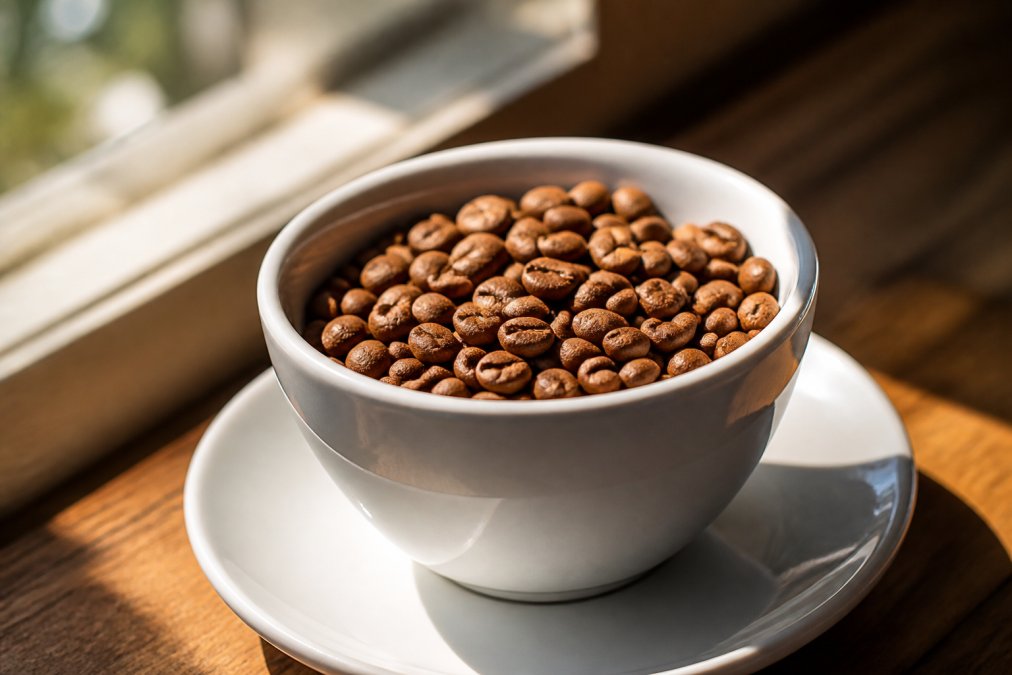
Light roasts are defined by their development stage. The roast is pulled just as the beans reach the beginning of the second crack, preserving origin flavors while developing enough sweetness and body to stand up in a cup. The flavor profile depends entirely on where the beans come from and how they were processed. A washed Ethiopian light roast tastes fundamentally different from a natural process Colombian light roast.
Acidity and Complexity in Light Roasts
Acidity in coffee is not a flaw, it's a feature. The acids in light roast beans create brightness, liveliness, and complexity in the cup. When people say a light roast tastes "bright," they're detecting malic acid, citric acid, or tartaric acid, the same compounds that make lemons taste sharp and strawberries taste vibrant.
A dark roast has fewer flavor compounds because heat destroys them. A light roast preserves them, creating more layers and nuance. Acidity isn't the same as sourness. A properly brewed light roast with good acidity tastes clean and refined. An under-extracted or poorly stored light roast tastes sour and thin.
Tasting Notes: Citrus, Berry, and Floral Characteristics
Light roasts are famous for their tasting notes because those notes are actually there. Ethiopian light roasts commonly display floral and tea-like qualities, with notes of jasmine or bergamot. Kenyan light roasts often show berry jam, blackcurrant, and citrus brightness. Central American light roasts tend toward chocolate, nuts, and stone fruit sweetness. When you brew these correctly, those notes come through clearly in your cup.
How to Brew Light Roast Coffee for Maximum Extraction
Brewing light roast coffee requires precision that darker roasts don't demand. Light roasts are denser, so water takes longer to penetrate the bean. If your water temperature is too low or your brew time is too short, you'll under-extract and get sour, thin coffee. Most specialty coffee professionals aim for 18 to 22 percent extraction, which usually means a brew time between 4 and 6 minutes, depending on your grind size and water temperature (peer-reviewed research).
Water Chemistry and Temperature Matters
Water quality is non-negotiable for light roast coffee. Tap water with high mineral content or chlorine will mask the subtle flavors you're trying to taste. The ideal water has moderate mineral content, around 50 to 100 parts per million (ppm) of total dissolved solids (peer-reviewed research).
Temperature control is equally critical. Light roasts need water between 195 and 205 degrees Fahrenheit (peer-reviewed research). Most drip machines heat water to around 200 degrees, which is ideal for light roasts. If your machine runs hot or cold, adjust your grind size to compensate.
The Bloom Phase and Drip Technique
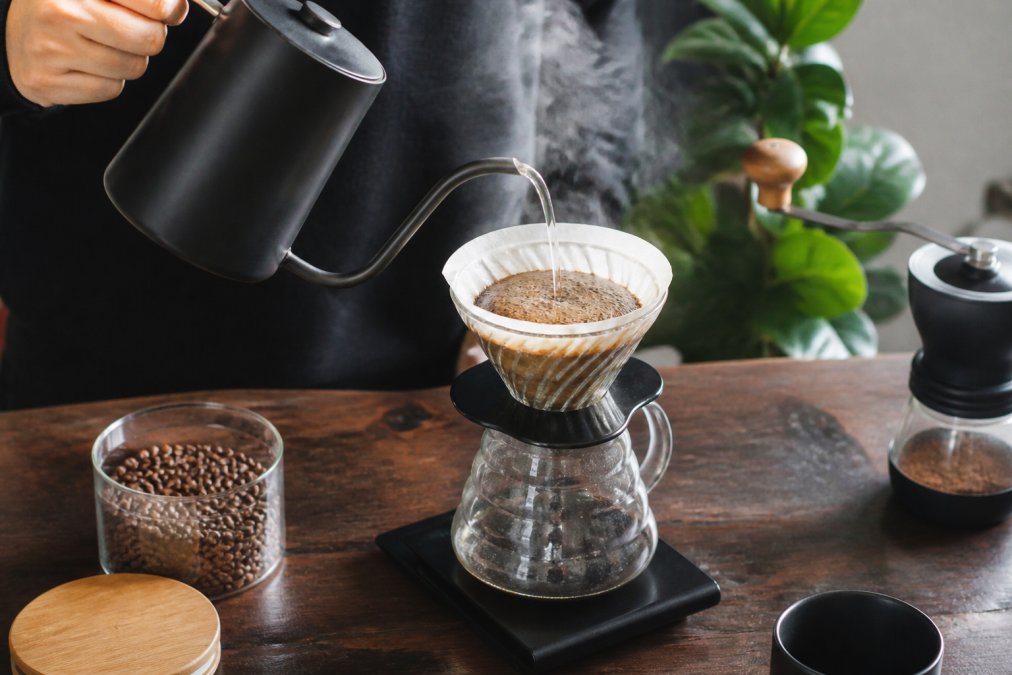
The bloom phase is when you pour just enough water to saturate the grounds without starting full extraction. This typically takes 30 to 45 seconds. During the bloom, carbon dioxide escapes from the beans and water begins to penetrate the surface. If you skip the bloom, the CO2 creates air pockets that prevent even extraction.
Pour about twice the weight of water as you have grounds during the bloom. Let it sit for 30 to 45 seconds, then pour the remaining water slowly and evenly. This technique gives you more control over extraction than a single continuous pour and ensures all grounds spend roughly the same amount of time in contact with water.
Best Grind Size for Drip Coffee with Light Roasts
Grind size is your primary control lever for extraction in drip brewing. For light roasts in a drip brewer, you want a medium-fine grind, finer than pour-over but coarser than espresso. If your light roast tastes sour and thin, your grind is too coarse or your brew time is too short. If it tastes bitter and harsh, your grind is too fine or your brew time is too long.
The grind consistency matters as much as the grind size. Burr grinders are essential for light roast coffee. Blade grinders create inconsistent particle sizes and will ruin even excellent beans.
| Grind Size | Best For | Extraction Time | When to Use |
|---|---|---|---|
| Coarse (1.5+ mm) | French press, cold brew | 8-12 minutes | Not ideal for drip |
| Medium-fine (0.75-1.0 mm) | Drip coffee, light roasts | 4-6 minutes | Standard choice |
| Fine (0.5-0.75 mm) | Espresso, Turkish | 25-30 seconds | Too fine for drip |
Light Roast vs Dark Roast for Drip Coffee: Key Differences
The difference between light roast and dark roast goes far beyond color. A light roast preserves the bean's origin characteristics. A dark roast develops its own flavor profile through the roasting process itself. Light roasts are brighter, more acidic, and more complex. Dark roasts are heavier, less acidic, and more uniform. For drip brewing specifically, light roasts have a structural advantage, their density means they hold up better in longer brew times.
If you're looking for the best light roast coffee beans for drip coffee, you're making a choice to prioritize flavor clarity and complexity over body and smoothness.
Single-Origin vs. Blended Light Roasts for Drip
A single-origin light roast comes from one country, region, or even one farm. A blended light roast combines beans from multiple origins. Single-origin light roasts let you taste a specific place. A blended light roast combines complementary beans to create a balanced cup. For drip brewing, both work well. Single-origins give you more to explore. Blends give you more consistency and balance.
Top Light Roast Selections for Your Drip Coffee Ritual
Ethiopian Single-Origins: Bright and Floral
Ethiopian coffees are the standard-bearers for floral and tea-like light roasts. The best Ethiopian light roasts for drip coffee come from regions like Yirgacheffe, Sidamo, or Guji, naturally developing floral, jasmine, and bergamot notes that shine in a drip brewer.
Balanced Blends: Complexity Without Overwhelming Acidity
Balanced blends offer complexity and nuance without the acidity that some people find challenging. For drip brewing, this means you get consistency in how the coffee behaves while exploring different flavor territories.
Latin American Light Roasts: Fruit-Forward and Sweet
Latin American light roasts occupy a middle ground between the brightness of African coffees and the body of darker roasts. They're typically fruit-forward and sweet, with notes of stone fruit, citrus, or chocolate. If you're transitioning from medium or dark roasts to light roasts, starting with a Latin American option is often easier than jumping straight to Ethiopian or Kenyan coffees.
Freshness, Whole Bean Selection, and Storage
Freshness is the single biggest factor in how good your light roast coffee tastes. Light roasts are more sensitive to staleness than dark roasts because they have more delicate flavor compounds that degrade over time. The best light roast coffee beans for drip coffee are whole beans, roasted within the last two to three weeks.
Look for roasters who list a roast date on the bag. Lux Brew Coffee Co. roasts every batch to order and ships it within hours, which means your coffee arrives at peak freshness.
Keep whole beans in an airtight container away from heat, light, and moisture. A sealed bag with a one-way valve works fine. Don't refrigerate or freeze. Room temperature in a dark cabinet is ideal. Properly stored whole beans stay fresh for three to four weeks after roasting.
Getting the best light roast coffee beans for drip coffee is only half the equation. The other half is brewing them correctly with attention to water quality, grind size, and technique. When you combine fresh, ethically sourced light roast beans with proper brewing method, you unlock flavor clarity that's impossible to achieve any other way. Lux Brew Coffee Co. specializes in sourcing single-origin and specialty blend light roasts roasted to order and shipped within hours to guarantee peak freshness. Explore our collection of ethically sourced light roasts and discover why specialty coffee drinkers choose freshness and quality for their daily ritual.
Frequently Asked Questions
Q: What makes light roast coffee better for drip brewing than dark roast?
A: Light roast coffee preserves the origin's distinct characteristics and acidity, which shine in drip brewing where water extraction is gradual and complete. The brightness and complexity of light roasts develop fully in drip machines, whereas dark roasts can become overly bitter with extended contact time. Light roasts also retain more of the coffee's natural sugars and floral or fruity notes that drip methods showcase effectively.
Q: How do I know if a light roast coffee is truly fresh for drip coffee?
A: Freshness matters most with light roast beans because acidity and flavor clarity fade quickly. Look for a roast date on the bag, not a 'best by' date. Coffee roasted within 1-2 weeks performs best for drip brewing. Whole beans are fresher than pre-ground, and specialty roasters like Lux Brew Coffee Co. that roast to order and ship within hours guarantee peak freshness. Store whole beans in an airtight container away from light and heat.
Q: What grind size should I use for light roast coffee in a drip machine?
A: Use a medium grind, similar to sea salt texture, for standard drip coffee makers. This size allows proper extraction of light roast's bright acidity and flavor complexity without over-extraction or bitterness. If your coffee tastes sour, grind slightly finer; if it tastes flat, grind coarser. Different drip machines may require slight adjustments, so experiment within the medium range to dial in your ideal cup.
Q: Does light roast coffee have more caffeine than dark roast?
A: Light roast and dark roast contain similar caffeine levels per bean because caffeine is largely unaffected by roasting temperature. However, light roasts are often denser, so a scoop of light roast may contain slightly more beans by weight, resulting in marginally more caffeine per serving. The perceived difference is minimal. Choose based on flavor preference, not caffeine content.
This article was written using GrandRanker