

Table of Contents
- What Makes Organic Single Origin Coffee Worth the Investment
- Fair Trade Organic Coffee Beans: Supporting Ethical Farming
- Roast Profiles and Flavor Notes Across Coffee Regions
- How to Brew Single Origin Coffee for Maximum Flavor
- Choosing a Specialty Coffee Subscription That Fits Your Lifestyle
- Freshness, Storage, and Traceability: What Sets Premium Roasters Apart
- Sustainable Sourcing and Environmental Impact
- Conclusion
Last Updated: August 15, 2026
What Makes Organic Single Origin Coffee Worth the Investment
When you buy organic single origin coffee online, you're not just purchasing beans, you're investing in traceability, flavor complexity, and a direct connection to the farmers who grew them. Single-origin coffees come from specific regions, farms, or even individual microlots, meaning every bag tells a story about altitude, soil composition, and processing methods that shape the cup's character.
The difference between single-origin and blended coffee is stark. A blend masks inconsistencies by combining beans from multiple sources; a single-origin coffee puts everything on display. If the harvest was exceptional, you taste it. If processing was meticulous, you feel it. This transparency is why specialty coffee enthusiasts seek out organic single origin coffee, the flavor profile becomes a window into the terroir and the farmer's craft.
Organic certification adds another layer. These beans are grown without synthetic pesticides, herbicides, or fungicides, which means the soil retains its microbial diversity and the coffee plant develops deeper root systems. The result: beans with more complex aromatics and a cleaner cup. When you combine organic practices with single-origin sourcing, you're getting coffee that reflects both environmental stewardship and flavor excellence.
Fair Trade Organic Coffee Beans: Supporting Ethical Farming
Fair trade organic coffee beans represent a commitment to farmers that goes beyond environmental stewardship. When you purchase fair trade certified coffee, you're ensuring that growers receive a minimum price floor that protects them from market volatility, plus premiums that fund community development projects like schools and clean water systems.
The certification process is rigorous. Fair trade organizations audit cooperatives and farms annually to verify that workers are paid fairly, that labor conditions meet international standards, and that profits are reinvested into communities. This isn't a marketing label slapped on commodity beans, it's a documented supply chain with accountability built in.
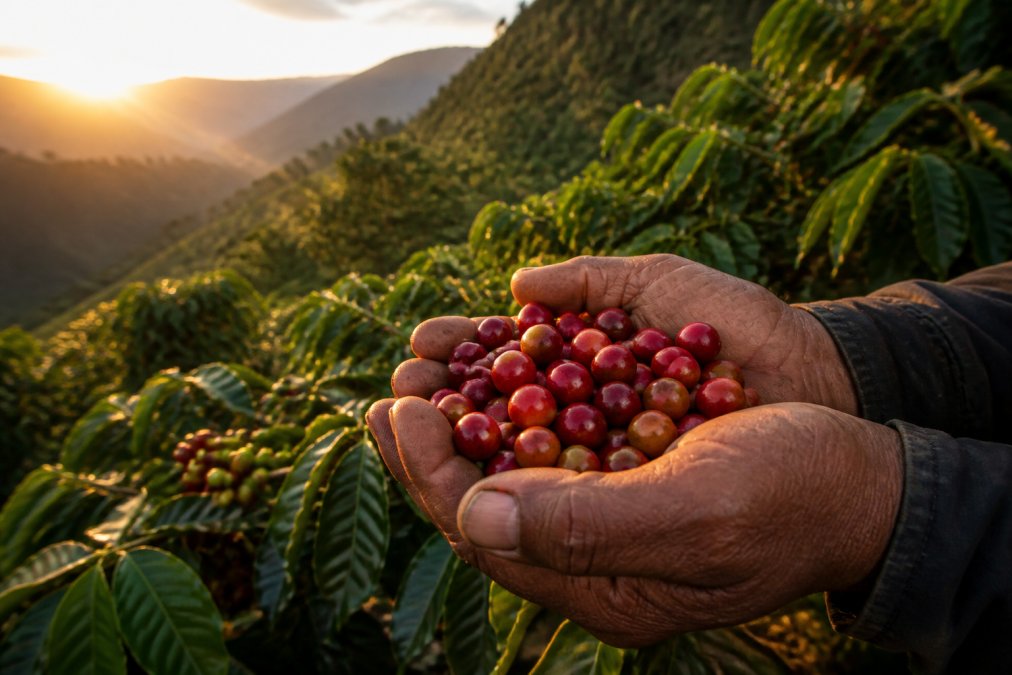
Many specialty roasters now combine fair trade certification with direct trade relationships, meaning they work directly with specific farms rather than through middlemen. This approach often pays farmers even more than fair trade minimums while building long-term partnerships. Lux Brew Coffee Co. sources from ethical family farms globally, ensuring that every purchase supports growers who practice sustainable, regenerative agriculture.
The flavor benefit is real too. When farmers are paid fairly and their farms are managed sustainably, they invest in quality. They'll spend time selecting ripe cherries, experiment with fermentation techniques, and maintain their plants for longevity rather than extracting maximum yield in a single season. Fair trade organic coffee beans consistently score higher in cupping sessions because the incentives align: better practices create better coffee.
Roast Profiles and Flavor Notes Across Coffee Regions
The roast level you choose fundamentally transforms the same beans into entirely different flavor experiences. Light roasts preserve the coffee's origin characteristics, the bright acidity, floral notes, and subtle fruit flavors that reflect where and how it grew. Medium roasts balance origin flavor with roasted character, introducing caramel sweetness and body. Dark roasts push past origin flavors into the roasting process itself, emphasizing bold, smoky, or chocolatey notes.
Light Roasts from Africa
African coffees, particularly from Ethiopia and Kenya, shine in light roasts. These beans naturally carry complex aromatics, jasmine, bergamot, stone fruit, berry, that disappear if you roast them too dark. A light roast from Ethiopia's Yirgacheffe region might taste like blueberry and jasmine with a wine-like acidity. Kenyan highlands produce coffees with blackcurrant and grapefruit notes. The key is that light roasts preserve these delicate flavor compounds.
African specialty coffee subscription services and direct-order roasters emphasize light roasts because the terroir, the combination of altitude, rainfall, soil, and processing method, creates the coffee's identity. When you buy organic single origin coffee from Africa, a light roast lets you experience the farmer's work directly.
Medium Roasts from Latin America
Latin American coffees, particularly from Colombia, Honduras, and Guatemala, develop their best expression in the medium roast range. These regions produce beans with naturally lower acidity and fuller body, making them ideal candidates for medium roasts that add sweetness without overwhelming the origin character.
A medium roast Colombian coffee might offer chocolate, caramel, and walnut notes with balanced acidity and a syrupy mouthfeel. These coffees work beautifully in espresso machines and pour-over setups because they have enough body to stand up to water extraction without becoming thin. Medium roasts from Latin America represent the sweet spot between accessibility and complexity, they're approachable for casual drinkers but reveal depth to those paying attention.
Dark Roasts from Asia
Asian coffees, from Indonesia, Vietnam, and India, often feature earthy, herbal, and spice-forward flavor profiles that benefit from dark roasting. Indonesian Sumatran coffee, processed using the wet-hulling method, develops a distinctive earthiness and low acidity that pairs perfectly with dark roasts. The result is coffee with chocolate, tobacco, and cedar notes and a heavy body that feels luxurious in the cup.
Dark roasts from Asia are less about preserving origin flavor and more about amplifying the roasting process's contribution. These coffees can handle aggressive extraction and still taste balanced. They're excellent for French press brewing and espresso because their full body and low acidity prevent sourness even with longer contact times.
How to Brew Single Origin Coffee for Maximum Flavor
The brewing method you choose should match your coffee's profile. Single-origin coffees deserve brewing techniques that highlight their unique characteristics rather than mask them. The fundamental principle: control water temperature, contact time, and agitation to extract the coffee's best qualities while avoiding over-extraction (bitterness) or under-extraction (sourness).
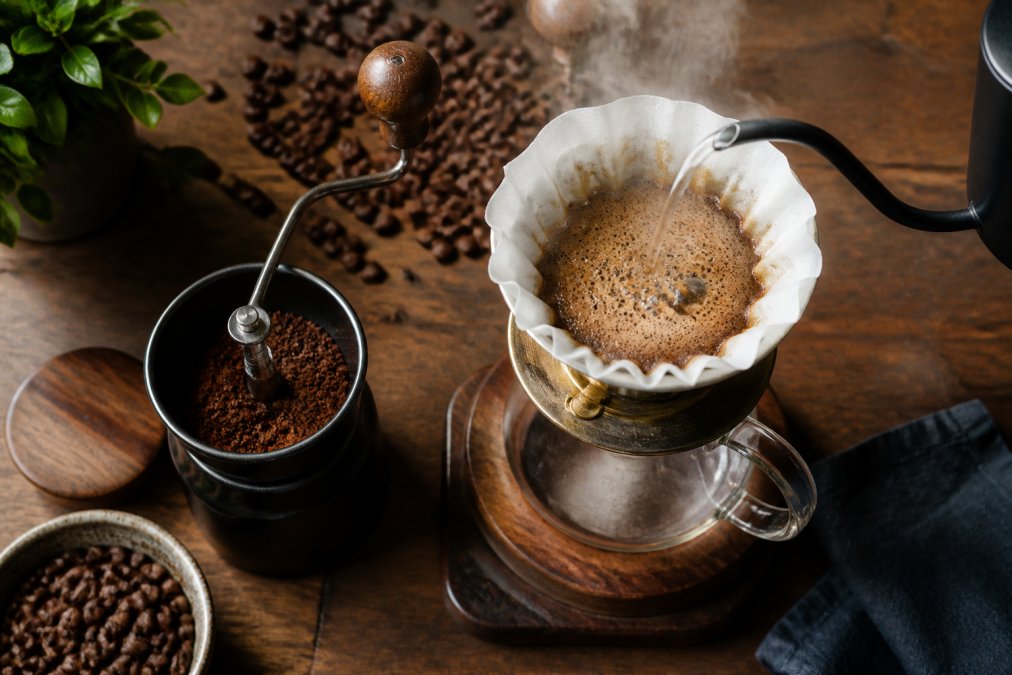
Pour-over brewing gives you precise control. Use water heated to 195-205°F (90-96°C), grind your beans to medium-fine consistency, and pour slowly in circular motions. The contact time should be 3-4 minutes. This method works exceptionally well for light roasts from Africa because the controlled extraction lets delicate floral and fruit notes emerge without becoming muddled.
French press brewing suits darker, fuller-bodied coffees. Use a coarser grind, steep for 4 minutes, then press slowly. The immersion method (where grounds sit in water) extracts different compounds than pour-over's percolation method, bringing out chocolate and earthy notes in dark roasts from Asia. The full body of French press coffee complements these roasts' natural heaviness.
Espresso machines demand consistency. Grind finely, tamp evenly, and dial in your machine so that water flows through the puck in 25-30 seconds. Single-origin espressos reveal origin character beautifully, a medium roast Colombian espresso tastes like chocolate and caramel, while a light roast Ethiopian espresso emphasizes floral and fruity notes. The pressure and heat of espresso extraction create a completely different flavor profile than filter brewing.
Choosing a Specialty Coffee Subscription That Fits Your Lifestyle
A specialty coffee subscription removes the guesswork from buying fresh beans while introducing you to new origins and roast profiles. The best subscription matches your brewing equipment, flavor preferences, and consumption pace.
Consider your brewing method first. If you use an espresso machine, you'll want subscriptions that offer medium roasts and blends designed for espresso extraction. If you prefer pour-over or Aeropress, lighter roasts from single-origin sources will highlight the brewing method's precision. Some subscriptions let you specify roast preference; others curate selections for you.
Frequency matters too. A typical subscription delivers one to four bags monthly. If you drink a cup daily, one 12-ounce bag lasts roughly 10-12 days (depending on brew strength). Two bags monthly keeps you supplied without overstock. Busy professionals often prefer monthly delivery of two bags, which eliminates the need to think about coffee sourcing while ensuring freshness.
Lux Brew Coffee Co. offers a subscription model that roasts to order and ships within hours, guaranteeing peak freshness. You can customize delivery frequency and choose from their curated selection of organic single origin coffee from ethical family farms. The flexibility to adjust orders means you're never stuck with coffee you don't want.
Compare subscriptions on these criteria: Do they offer organic options? Are single-origin coffees available? Can you adjust roast profile and frequency? What's their return policy if a coffee doesn't suit your taste? The best subscriptions balance variety with consistency, introducing you to new coffees while maintaining quality standards.
Freshness, Storage, and Traceability: What Sets Premium Roasters Apart
Freshness is the single most important factor determining coffee quality. Unlike wine, which improves with age, coffee begins deteriorating the moment it's roasted. The volatile aromatic compounds that create flavor complexity oxidize and dissipate over time. A coffee roasted three weeks ago tastes noticeably flatter than one roasted three days ago.
Premium roasters prioritize freshness by roasting in small batches and shipping quickly. Lux Brew Coffee Co. roasts to order and ships within hours, ensuring you receive coffee at peak flavor. This approach requires operational sophistication, real-time inventory management, rapid fulfillment, and reliable shipping, but the result is worth it. You're tasting coffee as the roaster intended it to taste.
Storage conditions determine how long coffee maintains its flavor. Once opened, whole beans stay fresh for 2-4 weeks in an airtight container kept away from light, heat, and moisture. Freezing extends this window slightly, though many specialty coffee enthusiasts avoid freezing because the temperature fluctuations can damage the beans' surface. The key is using coffee quickly after purchase, buy smaller quantities more frequently rather than hoarding large bags.
Traceability separates premium roasters from commodity coffee suppliers. When you buy organic single origin coffee from a quality roaster, you should know the farm's name (or at least the cooperative), the altitude, the harvest date, and the processing method. This information lets you understand why the coffee tastes the way it does and verify that it's genuinely organic and ethically sourced.
Sustainable Sourcing and Environmental Impact
Sustainable sourcing goes beyond organic certification. It encompasses soil health, water management, biodiversity, and carbon footprint, the full environmental picture of how coffee is grown and transported.
Shade-grown coffee, where coffee plants grow under a canopy of taller trees, preserves forest ecosystems and bird habitats while improving soil quality. The shade trees fix nitrogen naturally, reducing the need for fertilizer. Shade-grown coffee typically costs more because yields are lower, but the environmental benefits are substantial. Many specialty roasters now highlight shade-grown coffees specifically because consumers increasingly value this practice.
Water usage is another critical factor. Coffee processing, particularly the washed process, where coffee cherries are fermented and rinsed, requires significant water. Sustainable farms implement water recycling systems and choose processing methods that minimize consumption. Some regions use the honey process (where fruit is partially removed but some mucilage remains) or natural process (where the whole cherry dries before removal), both of which use less water than washed processing.
Carbon footprint in coffee includes both production and transportation. Buying from local or regional roasters reduces shipping distance. Supporting farms that use renewable energy and regenerative practices reduces production emissions. Lux Brew Coffee Co.'s commitment to sourcing from ethical family farms aligns with these principles, smaller-scale farming typically has lower environmental impact than industrial monoculture plantations.
| Sustainability Practice | Environmental Benefit | Impact on Flavor |
|---|---|---|
| Shade-grown | Preserves forest ecosystems, improves soil | Often produces more complex, nuanced flavors |
| Regenerative agriculture | Builds soil carbon, increases biodiversity | Healthier plants yield more flavorful beans |
| Water recycling | Reduces freshwater consumption | Minimal impact; varies by processing method |
| Direct trade relationships | Supports farmer investment in quality | Incentivizes better farming and processing practices |
| Local roasting | Reduces transportation emissions | Ensures fresher coffee at point of sale |
Buying organic single origin coffee online connects you to a global network of farmers, roasters, and sustainability practices. The investment in premium beans reflects real differences in flavor complexity, freshness, and ethical sourcing. When you choose Lux Brew Coffee Co., you're getting coffee roasted to order and shipped within hours, ensuring you taste the full expression of the beans' origin and the roaster's craft. Start with a single-origin coffee that matches your brewing method, pay attention to the flavor notes, and notice how freshness transforms your daily ritual into something genuinely exceptional.
Frequently Asked Questions
What does single origin coffee mean, and why does it taste different?
Single origin coffee comes from one specific farm, region, or country, allowing you to experience the unique flavor profile created by that area's altitude, climate, and soil. Unlike blends that mix beans from multiple sources, single origin coffee delivers distinct tasting notes shaped by its specific terroir. The altitude and processing method directly influence acidity, body, and aroma, making each origin-specific coffee a unique sensory experience.
Is organic single origin coffee really better than regular coffee?
Organic coffee is grown without synthetic pesticides or fertilizers, which can affect both flavor and health. Many coffee professionals find that organic single origin beans offer cleaner flavor profiles because the beans develop naturally without chemical interference. Beyond taste, organic certification ensures you're supporting farms using sustainable practices that protect soil health and biodiversity. For health-conscious drinkers, organic options eliminate pesticide residue concerns.
How can I tell if my organic single origin coffee is truly ethically sourced?
Look for certifications like Fair Trade, Direct Trade, or Rainforest Alliance on the bag. Ethical roasters provide traceability information, including the farm name, farmer details, and processing method. Fair trade organic coffee beans guarantee that farmers receive fair compensation and work under safe conditions. Roasters committed to ethical sourcing often share detailed stories about their growers and offer transparency about pricing and sourcing relationships on their websites.
What's the best way to store organic single origin coffee after I buy it online?
Store whole beans in an airtight container away from direct sunlight, heat, and moisture. Keep them at room temperature, never in the refrigerator or freezer, which introduces condensation. Whole beans stay fresh for 2-4 weeks after roasting; freshly roasted coffee shipped within hours of roasting maintains peak flavor longer. For subscription services, stagger your orders so you're always using the freshest batch available, and grind only what you need right before brewing.
Will I actually taste the difference with specialty coffee, or is it hype?
Yes, most people notice a significant difference when they switch to freshly roasted organic single origin coffee. The difference is most apparent when you brew with proper technique and a quality grinder. Casual coffee drinkers often experience brighter acidity, more distinct flavor notes, and better overall clarity compared to grocery store beans. Even with a standard coffee maker, fresh single origin beans deliver noticeably better results than stale or mass-produced blends.
This article was written using GrandRanker