

Table of Contents
- Coffee vs Green Tea: Antioxidant Comparison at a Glance
- Polyphenols in Coffee vs Green Tea: What Each Cup Delivers
- Health Benefits of Daily Coffee Consumption
- Green Tea Benefits: Heart Disease Risk, Weight and Focus
- Side Effects of Excessive Caffeine Intake in Coffee and Tea
- What Competitors Miss: Bioavailability, Genetics, Sourcing and Timing
- How to Choose Your Daily Cup: A Decision Framework
- Frequently Asked Questions
Last Updated: September 29, 2026
Coffee vs Green Tea: Antioxidant Comparison at a Glance
Coffee vs green tea antioxidants benefits is a question worth answering carefully, because the two drinks deliver very different compounds. Coffee leans on chlorogenic acid, while green tea is built around catechins and EGCG. At Lux Brew Coffee Co., we roast specialty beans to order, so freshness is part of how we think about every cup.
Both drinks fight oxidative stress, but they do it differently. Below, we'll show you exactly how each one works, where it wins, and where it falls short.
| Factor | Coffee | Green Tea | Winner |
|---|---|---|---|
| Main antioxidant | Chlorogenic acid | EGCG, catechins | Tie |
| Caffeine per cup | Higher | Lower | Green tea (gentler) |
| Energy style | Fast, sharp | Calm, steady | Depends on goal |
| Metabolic effect | Stronger thermogenesis | Milder | Coffee |
| Best for | Focus, metabolic kick | Sustained alertness | - |
Polyphenols in Coffee vs Green Tea: What Each Cup Delivers
Polyphenols are plant compounds that neutralize free radicals and reduce oxidative damage. Coffee's dominant polyphenol is chlorogenic acid. Green tea's are catechins, especially epigallocatechin gallate, or EGCG.
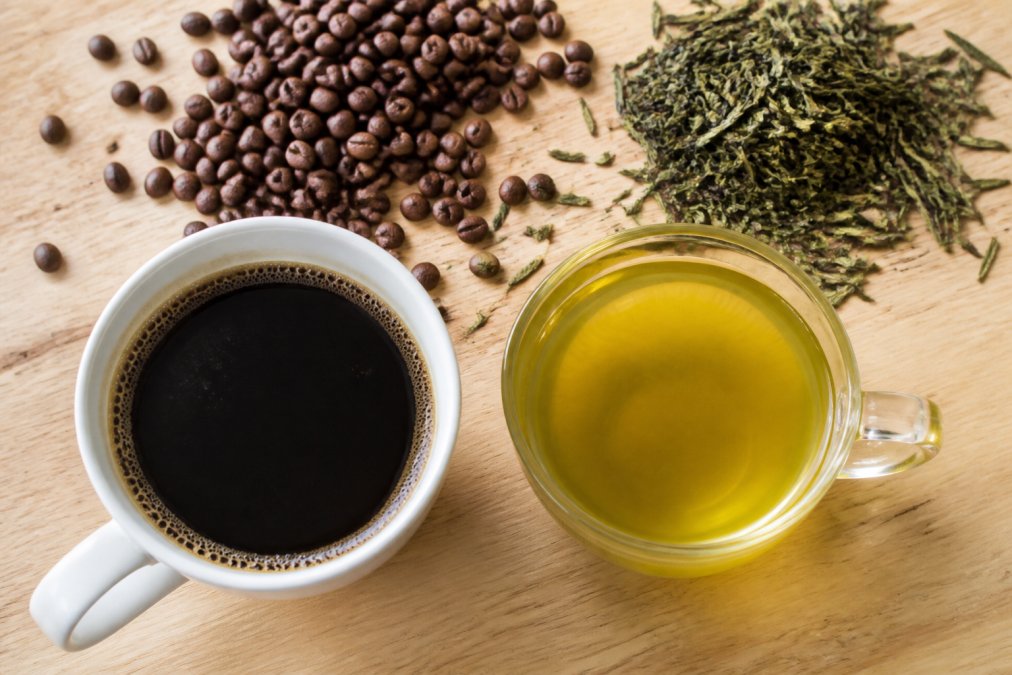
The two drinks are not interchangeable.
Chlorogenic Acid and Caffeine Metabolism in Coffee
Chlorogenic acid is coffee's headline antioxidant, and roasting level changes how much survives. Darker roasts lose more of it than lighter ones. That is one reason roast choice matters more than most drinkers realize.
Catechins, EGCG and Calm Alertness in Green Tea
Green tea pairs its catechins with L-theanine, an amino acid linked to calm alertness. That combination smooths out the caffeine, which is why green tea rarely causes jitteriness the way strong coffee can.
Health Benefits of Daily Coffee Consumption
Daily coffee consumption is linked to several measurable benefits, though results depend on how much you drink and how you brew it. Most research points to moderate intake, not extremes.
Metabolic Rate, Thermogenesis and the Metabolic Kick
Caffeine triggers thermogenesis, the process where your body burns energy as heat. That is the metabolic kick many people feel after a morning cup. Chlorogenic acid may support this effect too.
Neuroprotection, Sustained Alertness and Chronic Inflammation
Coffee's antioxidants are tied to neuroprotection and lower chronic inflammation over time. Caffeine blocks adenosine, the compound that makes you feel tired, which supports sustained alertness.
Green Tea Benefits: Heart Disease Risk, Weight and Focus
Green tea's strongest case is cardiovascular, and the mechanism is more specific than most summaries admit. Its catechins, primarily EGCG, EGC, ECG, and EC, interfere with the oxidation of LDL cholesterol, the step that turns a harmless lipid particle into the plaque-building form. That is the pathway researchers point to when they link long-term green tea drinking to lower heart disease risk.
The Catechins Behind the Cardiovascular Effect
EGCG is the most studied catechin in green tea and the one most responsible for its antioxidant activity. It works through several routes: scavenging free radicals directly, chelating metal ions that drive oxidation, and supporting endogenous antioxidant enzymes like glutathione peroxidase.
Weight Support: Real but Small
EGCG may nudge fat oxidation, especially when paired with the caffeine naturally present in the leaf. The combination appears to slightly increase energy expenditure and fat burning during rest and light activity.
Focus Without the Spike-and-Crash
Focus is where green tea stands apart from coffee. The reason is L-theanine, an amino acid that occurs almost exclusively in tea. L-theanine crosses the blood-brain barrier and promotes alpha-wave activity, a pattern associated with relaxed but alert attention.
What Most Guides Miss: Brewing Decides the Dose
What most guides also miss is that these benefits depend on consistency, not intensity. One cup a week does little. Daily, moderate intake over years is where the cardiovascular and metabolic signals show up.
Side Effects of Excessive Caffeine Intake in Coffee and Tea
Too much caffeine causes jitteriness, poor sleep, and raised cortisol levels. It can also drive anxiety, heart palpitations, and digestive upset. The line between "energized" and "wired" is thinner than most people think, and it depends heavily on which drink you are pouring.
How Much Caffeine Is Actually in Each Cup
An 8-ounce brewed coffee typically contains roughly 95 to 165 milligrams of caffeine, depending on roast, grind, and brew method. A single espresso shot runs about 63 milligrams. Cold brew concentrates higher, often 150 to 200 milligrams per 8 ounces.
Caffeine Sensitivity and the Genes Behind It
Caffeine sensitivity varies widely, and it is not a matter of willpower. Variations in the CYP1A2 gene, the enzyme that clears caffeine from your bloodstream, and in the ADORA2A gene, which codes for an adenosine receptor, help explain why one person sleeps fine after an evening espresso and another lies awake until 2 a.m. after a single afternoon cup.
Drug Interactions and Who Should Be Cautious
Caffeine interacts with several common medications and conditions. It can amplify the effects of stimulants, interfere with certain antidepressants and antipsychotics, and raise blood pressure in people already managing hypertension. The FDA also warns that caffeine can interact with some antibiotics and asthma medications.
The Sleep-Cortisol Loop
Green tea carries the same risks at high doses, just at a lower baseline. The exception is matcha and concentrated green tea extracts sold as supplements, which have been linked in rare cases to liver injury at high doses. Whole-leaf tea, brewed normally, has not shown that pattern.
What Competitors Miss: Bioavailability, Genetics, Sourcing and Timing
Bioavailability, genetics, sourcing, and timing decide how much of these antioxidants you actually absorb. Most comparisons ignore all four and just list compound counts.
Bioavailability of Antioxidants and Individual Genetic Response
Bioavailability is how much of a compound your body actually uses, not just how much you swallow. Coffee's chlorogenic acid is well absorbed. Green tea's catechins are less so on their own, which is why some people add citrus or take them in matcha form.
Environmental and Ethical Sourcing and Time-of-Day Optimization
Sourcing affects quality. Beans and leaves grown with care, and processed quickly, tend to retain more of their antioxidant capacity. Ethical sourcing also supports the family farms behind the crop.
USDA FoodData Central nutrient database
How to Choose Your Daily Cup: A Decision Framework
Pick coffee if you want a stronger metabolic kick and sharper focus. Pick green tea if you want calm alertness and heart support with less caffeine. Many people do best with both, split across the day.
Use this framework:
- Morning focus: coffee, before your cortisol peak fades
- Afternoon slump: green tea, for steady attention
- Sensitive to caffeine: green tea, or matcha in small doses
- Metabolic goals: coffee, paired with movement and diet
- Heart health focus: green tea, daily and consistent
Frequently Asked Questions
Is it healthier to drink green tea than coffee?
Neither is universally healthier. Green tea delivers more epigallocatechin gallate (EGCG) and less caffeine per cup, which suits people with caffeine sensitivity. Coffee provides more chlorogenic acid and roughly 95 mg of caffeine per 8-ounce cup, supporting sustained alertness and metabolic rate. The better choice depends on your caffeine tolerance, daily routine, and whether you want calm alertness or a stronger metabolic kick.
Which drink is highest in antioxidants?
By antioxidant capacity per serving, green tea, especially matcha, often ranks higher because you consume the whole leaf. Coffee is the top source of antioxidants in the typical American diet simply because people drink more of it. Both contain polyphenols that fight oxidative stress and free radicals, so the winner depends on how much you drink, not just concentration.
Do coffee and green tea provide the same type of antioxidants?
No. Coffee is rich in chlorogenic acid, while green tea is dominated by catechins, particularly epigallocatechin gallate (EGCG). Both are polyphenols with anti-inflammatory properties, but they act through different pathways. That difference explains why some research links coffee to heart disease risk reduction and green tea to neuroprotection and calm alertness.
How do preparation methods affect antioxidants and caffeine content?
Preparation changes what you actually absorb. Steeping time, water temperature, and leaf grade shift the catechins and caffeine in green tea, while roast level and grind size alter chlorogenic acid in coffee. Roasted vs unroasted beans, cold vs hot brewing, and matcha versus steeped leaves all influence the bioavailability of antioxidants, so how you brew matters as much as what you buy.
Can drinking coffee and green tea together provide synergistic benefits?
Combining them is safe for most adults and can broaden your polyphenol intake, since coffee supplies chlorogenic acid and green tea supplies EGCG. The main caution is total caffeine: keep daily intake under 400 mg, the FDA-recommended limit for healthy adults. Many people drink coffee in the morning for alertness and green tea in the afternoon for calm, focused energy without jitteriness.
Choosing between coffee and green tea comes down to what you want from your cup: sharp energy and metabolic support, or calm focus and heart benefits. Lux Brew Coffee Co. roasts specialty-grade beans to order and ships within hours of roasting, so the antioxidants in your coffee are as intact as they can be. If you want fresh, ethically sourced coffee that supports family farms, start your subscription with Lux Brew Coffee Co. and taste the difference freshness makes.