

Table of Contents
- Why Single Origin Coffee Beans Excel in Pour Over Brewing
- Quick Comparison: Top Single Origin Beans for 2026
- 1. Ilse Coffee Ecuador Juan Peña: High-Altitude Clarity
- 2. Noble Coffee Roasting Peruvian Suyo: Balanced and Organic
- 3. Middle Fork Roasters Brazil Canaan Estate: Classic Comfort
- 4. Kuma Coffee Bright Blend: For the Acid-Loving Purist
- 5. Atlas Coffee Club: A World Tour in Your Cup
- How to Choose Single Origin Coffee for Your Taste
- Frequently Asked Questions
Last Updated: September 9, 2026
Pour-over brewing rewards precision, and the bean you choose determines whether that effort yields a clean, vibrant cup or a flat, muddy one. Single origin coffee is the practice of sourcing beans from one specific farm, region, or cooperative, letting the unique characteristics of that place shine through without blending. For pour-over, this clarity is essential because the slow, manual extraction method highlights delicate flavor notes that darker blends often mask. At Lux Brew Coffee Co., we roast to order and ship within hours, so we understand that the perfect cup starts with understanding what makes a bean exceptional before it ever touches your grinder.
Below, we explore various single origin coffee beans suitable for pour over, discussing roast profiles, flavor characteristics, and ideal brewing scenarios, plus processing methods and regional profiles to help match a bean to your palate.
Why Single Origin Coffee Beans Excel in Pour Over Brewing
Single origin coffee is prized in pour-over because the brewing method acts as a magnifying glass for terroir. Unlike espresso's pressure or immersion methods that can muddy flavors, pour-over uses percolation, where water passes through a thin bed of grounds once, accentuating acidity, clarity, and nuanced tasting notes.
A light or medium roast preserves the bean's intrinsic character, allowing floral, citrus, or berry notes to emerge cleanly, while darker roasts impart chocolate and smoke that obscure the origin's identity. A well-executed pour-over of a high-altitude Ethiopian bean can taste more like jasmine tea than traditional coffee, showcasing sweetness and complexity.
The Extraction Mechanics Behind the Clarity
Pour-over excels at revealing single-origin character through extraction dynamics. Water flows through the coffee bed, dissolving compounds in sequence: first the bright, fruity acids and aromatic oils, then sugars for sweetness and body, and finally bitter compounds with prolonged contact.
A well-calibrated pour-over stops extraction at the sweet spot, typically between 18% and 22% of soluble mass, the Specialty Coffee Association's optimal range (sca.coffee). High-altitude single-origin beans have a denser cellular structure that slows extraction, giving a wider margin of error between under-extraction (sour) and over-extraction (bitter). Blends, with varying densities, extract at different rates, making consistency harder.
Equipment-Specific Pairing: V60 vs. Chemex vs. Kalita Wave
The dripper actively shapes how a single-origin bean expresses itself. The Hario V60, with its single large hole and spiral ridges, allows fast water flow, producing a thinner bed and less contact time, favoring beans with pronounced acidity and delicate florals. A light-roasted Ethiopian or Kenyan coffee shines here.
The Chemex's thick bonded filters remove more oils and fine particles, yielding an exceptionally clean, tea-like cup with reduced body, ideal for washed Colombians or honey-process Costa Ricans. However, it can strip mouthfeel from a natural-processed Brazilian, leaving it thin and hollow.
The Kalita Wave's flat bottom and three small holes create a more even, slower extraction, producing a fuller body and balanced cup, making it the most forgiving dripper for less dense or slightly older beans. A medium-roasted Peruvian or Guatemalan bean performs exceptionally well here.
A practical rule: light roast with pronounced acidity, use the V60; maximum clarity with less body, use the Chemex; medium roast or a forgiving, balanced cup, use the Kalita Wave. Matching the dripper to the bean's density and roast profile is the difference between a good cup and a transcendent one.
Quick Comparison: Top Single Origin Beans for 2026
| Coffee | Roast Profile | Flavor Notes | Best For | Starting Price |
|---|---|---|---|---|
| Ilse Coffee Ecuador Juan Peña | Light | Floral, fruit-forward | Clarity-focused purists | $22.00/12oz |
| Noble Coffee Peruvian Suyo | Medium | Chocolate, nutty | Balanced daily drinkers | $19.50/12oz |
| Middle Fork Brazil Canaan | Medium | Caramel, toasted nuts | Beginners, low acidity | $18.00/12oz |
| Kuma Coffee Bright Blend | Light | Vibrant acidity, fruit | Advanced tasters | $20.00/12oz |
| Atlas Coffee Club | Varies | Global variety | Explorers, subscriptions | $14.00/shipment |
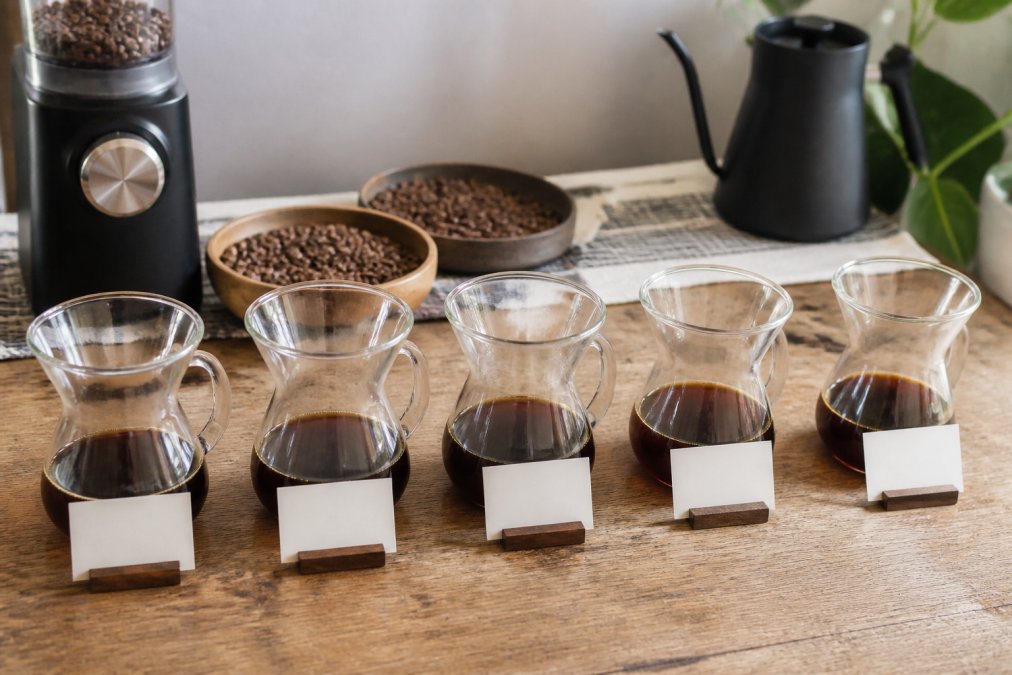
1. Ilse Coffee Ecuador Juan Peña: High-Altitude Clarity
For a pristine, tea-like cup, Ilse Coffee's Ecuador Juan Peña is the benchmark. Sourced from the renowned Juan Peña farm, this light roast highlights delicate acidity and a complex flavor profile that unfolds with manual brewing. The high altitude contributes to bean density, yielding a clean finish that lingers without heaviness.
The tradeoff is a premium price, but origin transparency and exceptional clarity justify the cost for those who treat brewing as a ritual. This is not a bean for casual milk drinks; it demands attention and a precise grind size to express its floral and fruit-forward notes.
2. Noble Coffee Roasting Peruvian Suyo: Balanced and Organic
For a versatile bean across different drippers, Noble Coffee Roasting's Peruvian Suyo is a smart pick. This certified organic medium roast draws out balanced sweetness with chocolate and nutty undertones, approachable without being boring. Its direct trade model benefits farmers directly, a consideration for socially conscious buyers.
The medium roast is highly forgiving, so minor variations in water temperature or pour technique won't ruin the cup. Availability is tied to the seasonal harvest, but that scarcity signals a commitment to freshness over volume.
3. Middle Fork Roasters Brazil Canaan Estate: Classic Comfort
For those who find high-acidity African coffees too sharp, Middle Fork Roasters' Brazil Canaan Estate offers a comforting, low-acidity profile. This medium roast delivers caramel and toasted nuts with a rich, smooth body. It's a classic Brazilian coffee that shines on its own when sourced from a single estate.
Its forgiving brew profile makes it an excellent entry point for beginners. While it lacks the bright, citrusy kick of Ethiopian or Kenyan origins, its consistency across batches is a genuine strength for those who value reliability.
4. Kuma Coffee Bright Blend: For the Acid-Loving Purist
Despite the name, Kuma Coffee's Bright Blend is a curated selection of high-elevation specialty beans designed to showcase vibrant acidity. This light roast celebrates terroir, delivering a complex, juicy, intensely fruit-forward cup. It demands precision in grind size and pour to avoid a sour or hollow extraction.
For advanced pour-over users, this is where the magic happens. Transparent sourcing and high-elevation lots mean you are getting beans grown to be highlighted, not hidden. If you enjoy layers of citrus and berry, this is the bag to buy.
5. Atlas Coffee Club: A World Tour in Your Cup

Not every drinker wants to commit to a single origin for weeks. Atlas Coffee Club delivers a new single-origin coffee from a different country each month, with brewing tips and an origin postcard, turning your pour-over ritual into an educational experience.
The tradeoff is control; you cannot pick the exact bean each month, but you can customize your roast preference. It offers a way to explore regional flavor profiles without buying multiple full-price bags, making it a low-risk starting point for learning what you like.
How to Choose Single Origin Coffee for Your Taste
Choosing single origin coffee comes down to matching the bean's profile to your preferred flavor experience. For bright, complex cups, look for light roasts from high-altitude Ethiopia or Kenya. For a smoother, heavier mouthfeel with chocolate notes, a medium roast from Brazil or Colombia will serve you better.
The roast date is non-negotiable. Coffee is a perishable product, and the flavors degrade significantly within weeks of roasting. Look for beans roasted within the last two weeks and grind them fresh with a burr grinder just before brewing.
The Water Chemistry Factor Most Guides Ignore
Most pour-over guides stop at bean selection, but water is arguably as important as the bean itself. Water makes up over 98% of your final cup, and its mineral content directly determines extraction. The Specialty Coffee Association's Water Quality Handbook set the standard: total dissolved solids (TDS) between 150-250 ppm, with focus on calcium and magnesium hardness.
Magnesium binds readily to fruity and floral esters, making it particularly important for pour-over. Calcium contributes to body but can dull perceived acidity. Excess sodium flattens the cup and mutes the delicate high notes of a light-roasted Ethiopian.
If your tap water is heavily softened or extremely hard, you are likely leaving flavor on the table. Many enthusiasts start with reverse-osmosis or distilled water, then add a mineral concentrate like Third Wave Water's Classic Profile or Lotus Water's drops to hit the 150-250 ppm target. A cheaper, imprecise alternative is diluting tap water with distilled water at a 1:1 ratio if your tap measures above 300 ppm.
A simple TDS meter costs around $15 and tells you if your water is in the right zone. Below 100 ppm, water is under-mineralized, producing a flat, sour cup; above 350 ppm, it is over-mineralized, producing a bitter, muddy cup. This is the single most overlooked variable in home pour-over brewing, explaining why the same bag of beans can taste dramatically different at a friend's house versus your own kitchen.
Decoding Processing Methods: Washed vs. Natural
The processing method dramatically impacts the final cup. Washed coffees, with fruit removed before drying, produce a clean cup with bright acidity and clarity. Natural coffees, dried with fruit intact, yield a heavier body with intense, sometimes fermented, fruit flavors like berry and wine.
Honey process sits in between, offering sweetness and body without the full intensity of a natural. For pour-over, washed coffees are often favored for clarity, but a well-executed natural can provide a stunning, complex brew. Experimenting with these methods is core to understanding how to choose single origin coffee.
Regional Profiles: Ethiopia, Kenya, and Colombia
Ethiopian coffees are the benchmark for floral and citrus notes, often tasting of jasmine, bergamot, and stone fruit, typically light and tea-like. Kenyan coffees are known for bold, juicy acidity, featuring grapefruit and blackcurrant with wine-like complexity.
Colombian coffee offers a balanced middle ground, with a clean cup, mild acidity, and notes of caramel and nuts. These regional differences are the gateway to the wider world of specialty coffee. The Specialty Coffee Association's guide to coffee origins provides a deeper look at how altitude and varietal affect flavor, and the National Coffee Association's brewing resources offer solid ground rules for water temperature and ratios.
Frequently Asked Questions
What are the best single origin coffee beans for pour over?
The best single origin coffee beans for pour over are typically light to medium roasts from high-altitude farms. Look for beans with a clear roast date and detailed tasting notes. Options like the Ilse Coffee Ecuador Juan Peña offer high clarity, while Noble Coffee's Peruvian Suyo provides a balanced, chocolatey cup. The ideal choice depends on whether you prefer bright, fruity acidity or a smoother, nuttier body.
How does origin affect the flavor profile of pour over coffee?
Origin heavily influences flavor. African coffees, such as those from Ethiopia or Kenya, often feature bright, citrusy, and floral notes with a tea-like body. South American beans from Colombia or Peru tend toward caramel, nutty, and chocolate flavors. The altitude, soil, and processing method, known as terroir, all shape the final cup, which is why single origin coffee offers a distinct tasting experience.
What roast level is best for single origin pour over?
Light to medium roasts are generally best for pour over brewing. Lighter roasts preserve the bean's origin characteristics, highlighting acidity, floral aromas, and fruity flavors. A medium roast can offer a balance of origin character and body with notes of chocolate or nuts. Dark roasts often mask the delicate flavors that make single origin coffee unique, so they are less ideal for this method.
What is the best coffee grind size for pour over?
A medium-fine grind, similar to the texture of sea salt, is the best starting point for pour over. This size allows for proper extraction during the 3 to 4 minute brew time. If your coffee tastes bitter, your grind is likely too fine. If it tastes sour or weak, try a finer setting. A high-quality burr grinder is essential for achieving a consistent grind size.