

Table of Contents
- What Makes Single Origin Coffee Different
- Superior Flavor Profile and Terroir Expression
- Single Origin vs Blend Coffee: What You Need to Know
- Traceability and Transparency in Your Coffee Supply Chain
- Direct Support for Coffee Farmers and Fair Compensation
- How to Brew Single Origin Coffee for Maximum Flavor
- Coffee Flavor Profiles by Region and Harvest Season
- Environmental Sustainability and Ethical Farming Practices
Last Updated: August 14, 2026
What Makes Single Origin Coffee Different
Single origin coffee comes from one specific farm, region, or country, allowing the unique characteristics of that place, altitude, climate, soil composition, and processing methods, to shine through in your cup. Unlike blended coffees engineered for consistency, single origin coffee is an expression of terroir, a term borrowed from wine that describes how geography shapes flavor. At Lux Brew Coffee Co., we've built our entire operation around this principle: that coffee's true potential emerges when you know exactly where it comes from. The traceability changes everything about how the coffee tastes, how farmers are compensated, and whether the environmental impact of your morning ritual aligns with your values.
Superior Flavor Profile and Terroir Expression
Single origin coffee delivers flavor complexity that blends cannot match. Each origin produces distinct tasting notes shaped by factors entirely outside the roaster's control. An Ethiopian coffee might taste like blueberry and jasmine, while a Colombian offers chocolate and citrus. These aren't added flavors; they're the natural expression of how that specific place grows coffee.
Terroir encompasses everything environmental: elevation, rainfall patterns, mineral composition of soil, and surrounding vegetation. A coffee grown at 6,000 feet in volcanic soil will taste fundamentally different from one at 3,000 feet in clay-based soil, even in the same country.
How Altitude, Climate, and Soil Shape Your Cup
Altitude is perhaps the single most important factor in coffee flavor development. Higher elevations mean slower ripening, allowing more sugars and acids to develop inside the cherry. A coffee grown at 5,500 feet will taste noticeably different from one at 3,500 feet.
Climate patterns dictate when and how much the coffee plant produces. Regions with distinct wet and dry seasons often produce coffees with more pronounced flavor characteristics because the stress concentrates flavor compounds in the beans. Temperature fluctuations between day and night also matter; cooler nights slow metabolism and allow flavor development to continue longer.
Soil composition directly influences which minerals and nutrients the plant absorbs, translating into flavor. Volcanic soils, common in Ethiopia and Central America, tend to produce coffees with brighter, more vibrant acidity. Clay-based soils often yield coffees with fuller body and earthier notes.
Processing Methods and Their Impact on Taste
How coffee is processed after harvest shapes flavor as dramatically as where it grows. The three primary methods each create distinct profiles from the same bean.
Washed process coffees are cleaned immediately after harvest, with the fruit removed before drying. This produces cleaner, brighter cup profiles that let the origin's inherent characteristics shine through. Most specialty coffees use this method because it's the most controllable and consistently produces high-quality results.
Natural process coffees dry with the fruit still attached to the bean. This extended contact imparts fruity, sometimes funky flavors, think berry, fermented notes, or wine-like characteristics. Natural process coffees tend to have fuller body and lower perceived acidity.
Honey process (also called pulped natural) removes the skin but leaves some of the sticky fruit on the bean during drying. It's a middle ground between washed and natural, producing coffees with balanced acidity and subtle fruity notes.
Single Origin vs Blend Coffee: What You Need to Know
The choice between single origin and blend coffee comes down to what you're trying to achieve. Single origin coffee prioritizes flavor expression and traceability. Blends prioritize consistency and balance.
A blend combines beans from multiple origins to create a predictable, repeatable flavor profile. This is valuable for commercial operations that need the same taste every time and useful for masking defects. But blending also obscures origin characteristics.
Single origin coffee embraces variation. The same farm's coffee will taste different year to year depending on rainfall, temperature, and harvest timing. This isn't a flaw; it's authenticity. For most coffee enthusiasts, single origin is the better choice if you want to develop your palate and understand coffee flavor. You'll start recognizing patterns: how altitude affects acidity, how processing shapes body, how harvest season influences sweetness.
Traceability and Transparency in Your Coffee Supply Chain
Knowing where your coffee comes from matters more than most consumers realize. Genuine traceability means you can identify the farm, the farmer, the harvest date, and ideally the altitude and processing method. This allows you to verify quality claims, support specific farmers directly, and create accountability.
The coffee supply chain traditionally works through multiple middlemen: farmer to local buyer to exporter to importer to roaster to consumer. Each step adds margin and removes accountability. Direct trade and single origin sourcing cut out unnecessary middlemen and create transparency at each stage.
When you buy single origin coffee from a roaster that provides detailed sourcing information, farm name, farmer's name, harvest date, altitude, you're getting genuine traceability. This is what Lux Brew Coffee Co. prioritizes: sourcing that you can verify, not just marketing claims about ethical practices.
Direct Support for Coffee Farmers and Fair Compensation
The economics of coffee farming are brutal for the people actually growing the beans. The global commodity market sets prices that often don't cover production costs. Direct relationships between roasters and farmers address this by creating agreements where prices reflect actual production costs and allow farmers to invest in their operations.
Fair trade certification guarantees a minimum price, but direct trade goes further. A farmer in a direct trade relationship might receive double or triple the commodity price. This isn't charity; it's recognizing that quality coffee requires investment and skill.
Supporting coffee farmers also means supporting their communities. Farmers who earn sustainable income invest in their families' education and health, implement soil conservation practices, and pass thriving farms to the next generation. When you choose single origin coffee from sources that prioritize farmer relationships, you're voting with your money for a coffee system that works for the people who actually grow it.
How to Brew Single Origin Coffee for Maximum Flavor
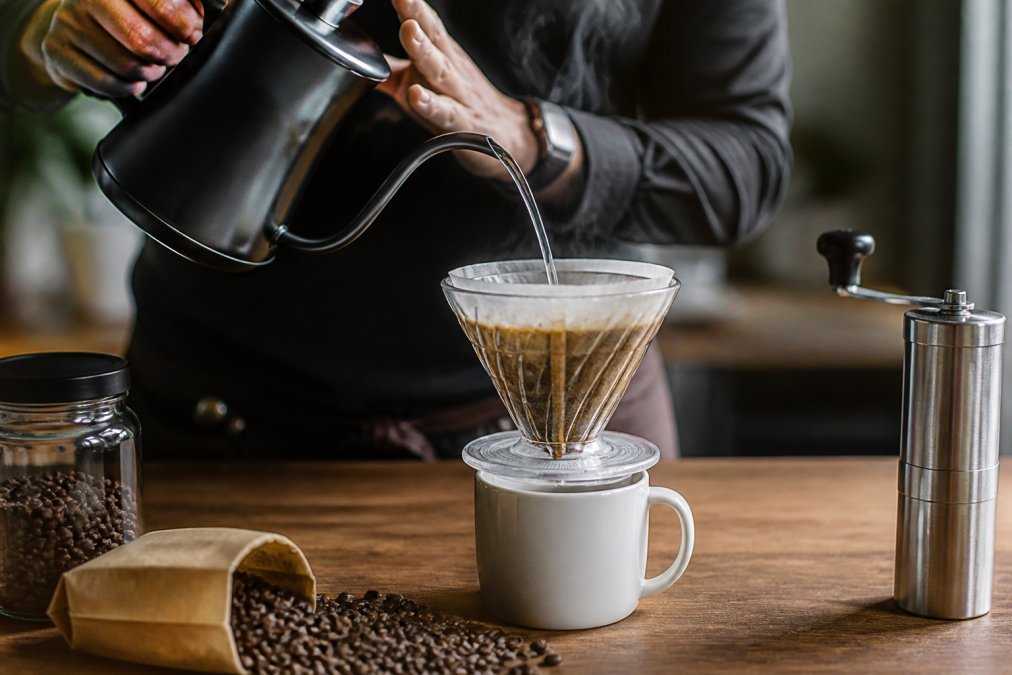
Single origin coffee demands more attention during brewing than commodity coffee. The flavor is more delicate and more easily disrupted by poor technique. The fundamental principle is extraction: coffee flavor comes from dissolving soluble compounds from the grounds into water. Under-extract, and you get sour, thin coffee. Over-extract, and you get bitter, astringent coffee.
Grind Size, Water Temperature, and Brewing Variables
Grind size is the primary control for extraction. Finer grounds have more surface area and extract faster. For single origin coffee, you want consistent grind size, with all particles roughly the same size. The grind size you choose depends on your brewing method: pour-over and drip coffee need medium-fine grinds, French press needs coarser grinds, and espresso needs very fine grinds.
Water temperature matters significantly. The sweet spot for most brewing methods is 195-205 degrees Fahrenheit, hot enough to extract efficiently but not so hot that it damages delicate flavor compounds. Water quality is often overlooked but surprisingly important. Filtered tap water is usually ideal; it removes chlorine and sediment while maintaining enough minerals for proper extraction.
Brew time depends on your method. Pour-over typically takes 3-4 minutes, French press takes 4-5 minutes, and espresso takes 25-30 seconds. If your coffee tastes sour, extend the brew time slightly. If it tastes bitter, reduce the brew time.
Sensory Evaluation: Tasting Notes and Aroma
Learning to taste coffee intentionally is a skill that develops with practice. Start with aroma. Smell the dry grounds and then the brewed coffee; aroma is the first clue to flavor. When you take your first sip, let it coat your mouth before swallowing. Notice the body, the acidity, and the flavor. Pay attention to how the flavor evolves as the coffee cools; many single origins reveal different characteristics at different temperatures.
Coffee Flavor Profiles by Region and Harvest Season
Coffee-growing regions cluster around the equator in the "coffee belt." Each region produces distinct flavor profiles shaped by climate, altitude, and processing traditions.
African coffees, particularly from Ethiopia and Kenya, tend toward bright acidity and fruity, floral characteristics. Ethiopian coffees often express berry and jasmine notes, while Kenyan coffees typically offer black tea, stone fruit, and citrus. These come from high altitude and natural processing methods common in the region.
Central American coffees, from Honduras, Guatemala, and Costa Rica, typically offer balanced acidity with chocolate, nut, and caramel notes. The volcanic soils common in Central America contribute mineral complexity.
South American coffees, particularly from Colombia and Brazil, tend toward lower acidity, fuller body, and nutty, chocolatey flavors. These coffees are excellent for espresso and milk-based drinks because their full body stands up well to milk.
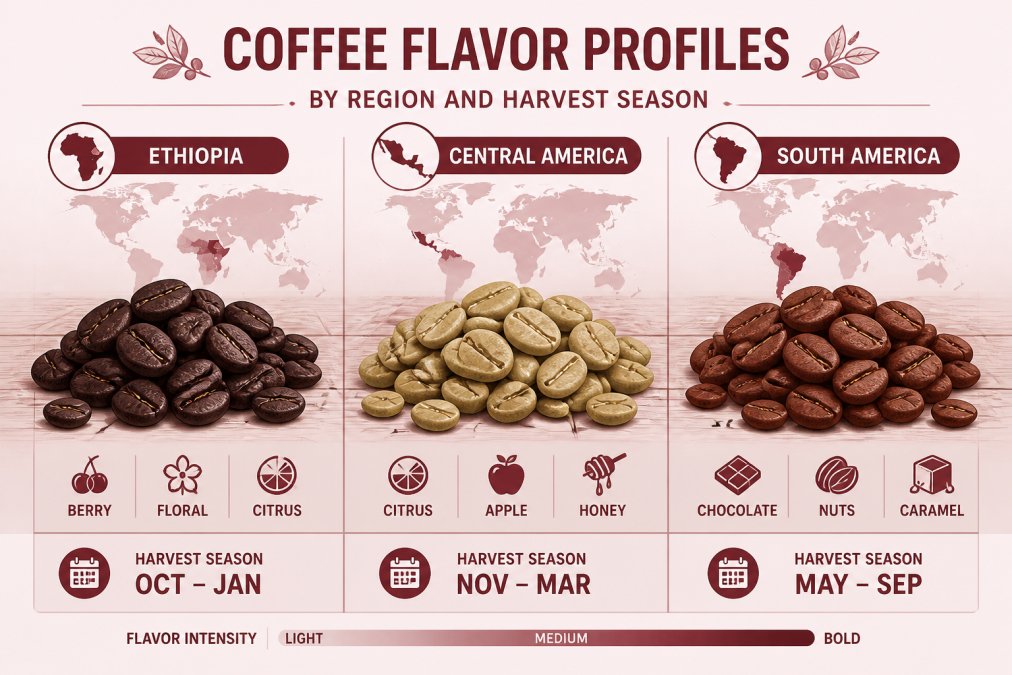
Harvest season also influences flavor. Coffees from the beginning of the harvest tend to be brighter and more complex, while coffees from the end often have more body and sweetness as the trees' energy reserves concentrate in the remaining fruit.
Environmental Sustainability and Ethical Farming Practices
Single origin coffee's environmental impact depends entirely on how it's grown. Sustainable coffee farming means practices that maintain soil health, preserve water quality, protect biodiversity, and allow the farm to remain productive for generations. This includes shade-growing (growing coffee under native tree canopy), maintaining diverse plant species, and avoiding synthetic pesticides.
Shade-grown coffee is particularly important for biodiversity. Coffee plants naturally grow in the understory of tropical forests. Shade-grown coffee mimics this, maintaining forest structure and providing habitat for migratory birds and wildlife. Full-sun plantations destroy forest habitat and require more chemical inputs.
Soil health is fundamental to sustainable coffee farming. Sustainable practices build soil organic matter through composting and cover cropping, which improves water retention and reduces irrigation needs. Healthy soils produce better coffee more sustainably.
The best single origin coffees come from farms that prioritize these practices as business fundamentals. These farms produce better coffee because healthy soil, diverse ecosystems, and careful water management all contribute to superior bean quality. When you choose single origin coffee from sources that emphasize sustainable and ethical practices, like Lux Brew Coffee Co.'s commitment to sourcing from family farms with transparent supply chains, you're supporting systems that work for both coffee quality and environmental stewardship.
Single origin coffee offers something commodity coffee cannot: direct connection to place, transparency about sourcing, and the opportunity to support farmers fairly while experiencing coffee at its best. The flavor complexity, traceability, and sustainability practices all work together. When you drink single origin coffee from an ethical source, you're not just getting a better cup; you're participating in a coffee system that works for growers, consumers, and the environment. Lux Brew Coffee Co. specializes in this exact experience: specialty-grade single origin beans roasted to order and shipped within hours to ensure peak freshness, sourced directly from ethical family farms. Every bag represents a specific place, a specific farmer, and a specific moment in the coffee's journey from cherry to cup.
Frequently Asked Questions
What makes single origin coffee taste different from blends?
Single origin coffee comes from one specific farm, region, or country, allowing the distinct characteristics of that terroir to shine through. The altitude, climate, soil composition, and processing method create unique flavor notes, East African coffees often show bright acidity and fruity notes, while Central American beans tend toward chocolate and nutty profiles. Blends combine beans from multiple origins, balancing flavors and creating consistency but masking individual regional expressions.
Is single origin coffee healthier than regular coffee?
Single origin coffee offers the same caffeine content and antioxidants as other specialty coffees, but the quality matters. Specialty-grade single origin beans are typically grown at higher altitudes with better farming practices, which can result in higher antioxidant levels. The real health advantage comes from freshness, beans roasted to order retain more beneficial compounds than stale grocery store coffee. Choose single origin for superior flavor and potential quality benefits, not as a health supplement.
How do I know if single origin coffee is truly from one origin?
Reputable roasters provide detailed traceability information on their packaging or website, including the specific farm or region, harvest season, altitude, and processing method. Look for certifications like Fair Trade, Rainforest Alliance, or direct trade partnerships. Roasters committed to transparency will also share the name of the farmer or cooperative. If a roaster can't provide this level of detail, the coffee may not be genuinely single origin or may lack proper supply chain documentation.
Does freshness really make a noticeable difference in single origin coffee?
Yes. Coffee begins losing flavor and aroma within days of roasting as volatile compounds escape. Beans roasted to order and shipped within hours preserve peak freshness, resulting in brighter flavor clarity, more pronounced tasting notes, and better aroma. Grocery store coffee, often weeks or months old, tastes flat and muted by comparison. Most coffee enthusiasts notice a dramatic difference when switching to freshly roasted single origin beans, even without expensive brewing equipment.
This article was written using GrandRanker