

Table of Contents
- How Specialty Coffee Subscriptions Work
- Best Coffee Subscriptions by Roast Profile and Origin
- Single-Origin Coffee Subscription Services: What Sets Them Apart
- Comparison Table: Specialty Coffee Subscriptions at a Glance
- How to Choose a Coffee Subscription That Matches Your Brew Method
- Cost Per Cup and Total Delivered Value
- Sourcing Transparency and Ethical Farming Verification
- Frequently Asked Questions
Last Updated: October 20, 2026
How Specialty Coffee Subscriptions Work
A specialty coffee subscription delivers freshly roasted, single-origin or artisanal blended beans directly to your home on a recurring schedule. The model works by matching your brewing preferences and taste profile to curated selections, then shipping your order within days of roasting to capture peak freshness.
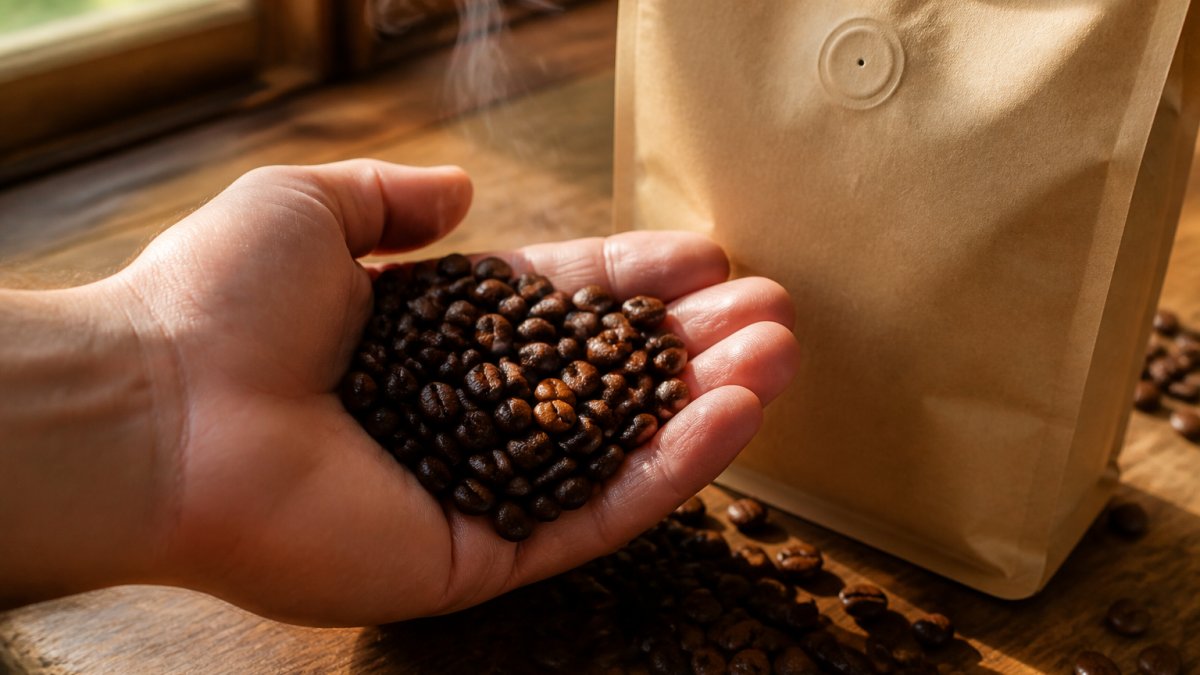
At Lux Brew Coffee Co., we roast every batch to order and ship within hours to guarantee maximum freshness. This approach eliminates the staleness problem that plagues grocery store coffee, which may sit in warehouses for weeks before reaching shelves. When you subscribe, you're paying for coffee at its peak, the window where volatile aromatics and nuanced flavors remain intact.
Most specialty subscriptions let you customize frequency, bag size, and roast level. Some services include a taste quiz to learn your preferences; others let you browse a catalog and choose manually each month. The subscription typically pauses or cancels without penalty, addressing one of the biggest objections people have about recurring services.
Best Coffee Subscriptions by Roast Profile and Origin
Roast profile and origin are the two levers that most determine whether a subscription fits your palate.
Lux Brew Coffee Co. roasts to order and ships within hours, and offers both single-origin selections and curated blends across the roast spectrum. The practical advantage is freshness at the moment of dispatch; the trade-off is a narrower catalog than services built around maximum variety.
Trade Coffee is best understood as a variety play. It matches subscribers to a broad roster of roasters and roast profiles, which suits drinkers who want to explore without committing to one roaster's philosophy.
Atlas Coffee Club is built around international discovery, sourcing from dozens of coffee-growing countries and leaning toward lighter, origin-forward profiles.
Bean Box competes on catalog breadth, advertising hundreds of specialty coffees and offering 12-ounce bags that are larger than the 8- to 12-ounce range many competitors ship. Breadth is the appeal; the trade-off is that consistency of roast date and sourcing detail varies across the catalog.
Podium Coffee Club is positioned around taste consistency and quality recognition. That suits drinkers who value a dependable cup over constant novelty, though it offers less origin exploration than discovery-focused services.
Freshness and Roast-to-Delivery Speed
Roast date is the single most useful number on a coffee bag, and it is the criterion most roundups gloss over. Coffee stales fastest in the first two weeks after roasting, so the meaningful question is not "how fresh is it when roasted" but "how many days pass between roast and the bag reaching your door." A service that roasts Monday and ships Friday delivers coffee that is already several days past peak; a service that roasts and ships within hours preserves far more of the volatile aromatics that define specialty coffee.
When comparing services, look for three pieces of evidence: a printed roast date (not just a "best by" date), a stated roast-to-ship window, and a delivery estimate you can verify from reviews. Services that are proud of their speed tend to print the roast date prominently. Services that bury it usually have a reason. If a listing says only "freshly roasted," treat that as a marketing claim until you find the actual window.
Single-Origin vs. Blend Selection
Single-origin coffees express one farm or region, which is why they reward light roasting and careful brewing; blends combine origins to produce a consistent, balanced cup that holds up in espresso and with milk. The strongest subscriptions offer both and let you rotate, while origin-focused services lean single-origin and espresso-oriented services lean blend.
A credible single-origin listing names the farm or cooperative, the processing method, and the harvest period. "Ethiopian coffee" is a country, not a traceable origin; "Yirgacheffe, natural process, recent harvest, floral and blueberry" is the level of detail that justifies a premium. Use that specificity as your filter when comparing services in this category.
Single-Origin Coffee Subscription Services: What Sets Them Apart
Single-origin specialists market themselves on transparency and terroir, the idea that coffee from a specific farm or region has unique flavor markers worth exploring. These services typically charge premium prices justified by traceability, direct relationships with farmers, and intentional roasting to highlight origin character.
What separates a credible single-origin subscription from marketing hype: they name specific farms, provide harvest dates, and explain the processing method. A vague "Ethiopian coffee" tells you nothing. A detailed description, "Yirgacheffe, natural process, harvested March 2026, floral with blueberry notes", signals genuine sourcing knowledge.
Lux Brew Coffee Co. differentiates through ethical farming verification and transparent sourcing from family farms globally. We don't just source single-origin beans; we trace them to specific producers and share their stories. This level of transparency is rare in the subscription space and reflects our commitment to supporting sustainable farming practices.
Comparison Table: Specialty Coffee Subscriptions at a Glance
| Service | Best For | Key Strength | Roast Philosophy | Sourcing Transparency |
|---|---|---|---|---|
| Lux Brew Coffee Co. | Ethical sourcing + freshness | Roast-to-ship within hours | Flexible (light to dark) | Farm-level traceability |
| Trade Coffee | Variety seekers | Broad selection, balanced pricing | All profiles | Good |
| Atlas Coffee Club | Origin exploration | International discovery | Typically lighter | Moderate |
| Bean Box | Maximum choice | 600+ specialty coffees | All profiles | Moderate |
| Podium Coffee Club | Taste consistency | Award-winning quality | Balanced | Moderate |
How to Choose a Coffee Subscription That Matches Your Brew Method
Your brewing equipment dictates the ideal grind size, which influences which coffees perform best. An espresso machine demands fine, consistent grinds and coffees with body to cut through milk. A pour-over brewer benefits from medium grinds and coffees with bright acidity that highlight origin character. A French press needs coarser grinds and fuller-bodied coffees.
Most specialty subscriptions offer grind options: whole bean, espresso-fine, pour-over medium, or French press coarse. Whole bean is ideal if you own a quality grinder; the coffee stays fresher longer.
Lux Brew Coffee Co. ships whole bean by default, preserving maximum freshness. We offer grinding options if needed, but whole bean is our recommendation for subscribers with any grinder at home.
Matching Grind Size and Bag Size to Your Equipment
Bag size matters for consumption rate. A solo coffee drinker finishing a bag in 10 days captures freshness better than buying 5-pound quantities. Conversely, a household of three brewing daily benefits from larger bags and lower per-unit cost.
Most subscriptions offer 12-ounce bags (roughly 18-20 cups) as standard. Some offer smaller 8-ounce bags for sampling; others provide 2-pound quantities for bulk savings.
Choose a bag size matching your weekly consumption. If you finish a bag in 5-7 days, you're hitting the freshness window. If bags sit untouched for three weeks, you're past the peak flavor window no matter how fresh the roast date.
Flexibility and Pause Options
Life happens. Travel, budget constraints, or simply having too much coffee on hand requires pausing subscriptions without penalty. The best services let you skip a month, adjust frequency, or cancel instantly with no questions.
Lux Brew Coffee Co. prioritizes subscription flexibility because we trust our product. Pause, skip, or cancel anytime. We'd rather you return later as a satisfied customer than feel trapped in an unwanted commitment.
Check each service's pause policy before subscribing. Some charge cancellation fees or require advance notice. Others make pausing effortless. This flexibility often distinguishes good services from mediocre ones.
Cost Per Cup and Total Delivered Value
Headline bag prices are misleading because they exclude shipping, ignore bag size, and assume a dose that may not match how you brew.
The formula: (bag price + shipping per order) ÷ cups per bag = cost per cup. Cups per bag = bag weight in grams ÷ dose per cup. A standard 12-ounce bag is about 340 grams.
Worked example A, $20 bag, $6 shipping, 12 ounces, 15-gram dose: $26 ÷ 22 cups ≈ $1.18 per cup.
Worked example B, $19.50 bag, free shipping over a threshold, 12 ounces, 18-gram dose: $19.50 ÷ 19 cups ≈ $1.03 per cup.
Worked example C, $35 two-pound bag (about 907 grams), $8 shipping, 15-gram dose: $43 ÷ 60 cups ≈ $0.72 per cup.
Shipping is the hidden variable. Many services charge $5-$8 per order, which can add 25-40% to a single-bag order. Some waive shipping above a spend threshold or on larger subscriptions.
Discounts distort the comparison. A 50%-off first bag is a trial offer, not a price. Compare services at their ongoing rate, and check whether the discount auto-renews at full price.
Lux Brew Coffee Co. prices reflect roast-to-order production and sourcing commitments; check current pricing on the site, then run the formula above against your dose and frequency to see the true per-cup cost.
Sourcing Transparency and Ethical Farming Verification
Ethical sourcing claims are common but often vague. Real transparency means naming specific farms, explaining their practices, and ideally showing direct relationships with producers. Some subscriptions partner with fair-trade certifiers; others conduct their own audits.
Lux Brew Coffee Co. prioritizes sourcing from family farms globally with verified ethical practices. We can trace each coffee to its origin and share the farming story behind it. This transparency isn't marketing, it's our operating standard.
Ask potential subscriptions these questions: Can you name the specific farms supplying your coffee? What certifications do they hold? Do you have direct relationships with producers, or source through brokers? How do you verify ethical practices?
Services unable to answer these questions may source from commodity brokers, which often obscures farming practices. Premium pricing should correlate with genuine sourcing verification, not just marketing language.
Choosing a specialty coffee subscription means committing to freshness, origin quality, and sourcing ethics. Lux Brew Coffee Co. combines roast-to-order freshness with transparent family farm sourcing, ensuring every cup reflects our commitment to quality. The Specialty Coffee Association defines specialty-grade coffee standards to ensure you're getting genuinely premium beans. Start with our whole-bean offerings and discover how peak freshness transforms your daily brew.
Frequently Asked Questions
What is the difference between a specialty coffee subscription and buying coffee at a grocery store?
Specialty coffee subscriptions prioritize freshness by roasting to order and shipping within hours, versus grocery store beans that may have been roasted weeks or months prior. Subscription services also focus on single-origin beans with documented sourcing from specific farms, curated flavor profiles, and roast levels matched to brewing methods. This results in more complex tasting notes, higher acidity retention, and greater transparency about bean origin and ethical sourcing practices.
How do I know if a single-origin coffee subscription is worth the premium price?
Single-origin coffees cost more because they come from a specific farm or region, offering distinct flavor characteristics tied to altitude, soil, and climate. If you brew with pour-over, espresso, or French press equipment and can taste subtle differences in acidity and body, the investment pays off. Casual drip-coffee drinkers may not perceive the difference. Start with a trial bag to assess whether the flavor complexity justifies the cost for your palate and brewing method.
What should I look for in a coffee subscription if I'm new to specialty coffee?
When choosing a coffee subscription, prioritize services offering personalized recommendations to match your preferences. Look for flexible delivery schedules so you can adjust frequency without penalty, and confirm they offer whole-bean and ground options. Check whether they provide tasting notes and brewing guidance, and verify roast dates are recent (ideally within 2-3 weeks of delivery). Starting with a smaller bag size lets you explore without overcommitting.
How quickly will I receive my coffee after ordering from a specialty subscription?
Delivery speed depends on the service's roasting model. Services that roast to order typically ship within 24-48 hours of roasting, ensuring peak freshness during your work week. Standard shipping usually arrives within 3-7 business days. Confirm the roast date on your bag and plan your subscription timing around when you typically finish your previous shipment to avoid gaps.