

Table of Contents
- Press Coffee vs Coava Coffee: Head-to-Head Comparison
- Roast Profiles and Flavor Clarity
- Brewing Methods and Grind Consistency
- Best Coffee Roasters in the US: Where They Stand
- How to Choose Specialty Coffee Beans: Key Variables
- Coffee Subscription Box Reviews: Delivery and Flexibility
- Which One Should You Choose?
- Conclusion
Last Updated: August 7, 2026
Press Coffee vs Coava Coffee: Head-to-Head Comparison
When specialty coffee enthusiasts compare roasters, two names consistently emerge: Press Coffee and Coava Coffee. Both have built reputations for quality, but they approach sourcing, roasting, and flavor development differently. Press Coffee emphasizes immersion-friendly roasts with pronounced body and clarity, while Coava focuses on single-origin expression and direct trade relationships. Understanding their roast philosophies, sourcing practices, and subscription models will help you decide which aligns with your brewing ritual and values.
Roast Profiles and Flavor Clarity
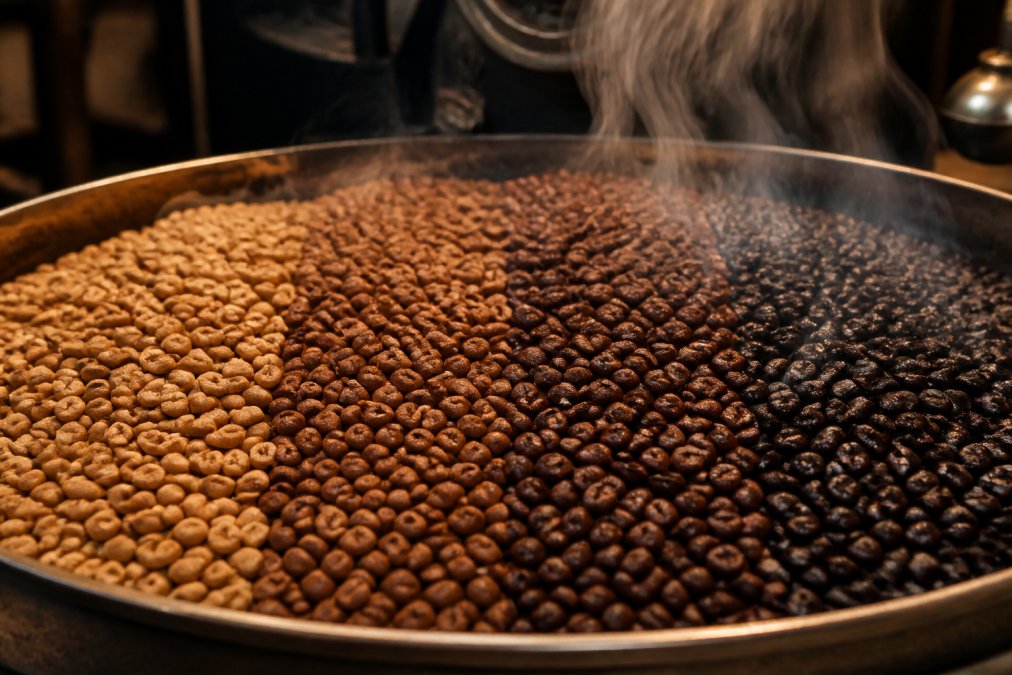
Press Coffee's roast profile prioritizes body and sweetness, targeting a medium-plus development that brings out chocolaty and caramel notes. Their beans are designed to shine in immersion brewing methods where coarse grind sizes and longer contact time amplify the coffee's mouthfeel and depth.
Coava Coffee takes a lighter approach on many of their single-origin offerings, aiming for flavor clarity that emphasizes the bean's origin characteristics. Their roast development preserves top notes and acidity, making origin-specific tasting notes more pronounced. This philosophy works best with precision extraction methods like pour-over and espresso.
The practical difference: if you brew with a French press or Chemex, Press Coffee's roasts will feel more balanced and forgiving. If you're chasing distinct fruity or floral notes specific to an Ethiopian or Kenyan origin, Coava's lighter roasts will deliver that complexity more clearly.
Tasting Notes and Flavor Profiles
Press Coffee's house blends and single-origins tend toward consistency, with descriptions like "chocolate, hazelnut, brown sugar" across their lineup. This means their roasting is repeatable and reliable. Coava emphasizes origin-driven tasting experiences, with Ethiopian coffees highlighting berry and floral characteristics, Colombian offerings showing stone fruit and chocolate, and Central American selections balancing sweetness with subtle spice.
Lux Brew Coffee Co. roasts to order for maximum freshness, which preserves both the origin clarity that Coava champions and the balanced body that Press Coffee delivers. Because we roast within hours of shipping, the tasting notes remain vivid longer.
Single-Origin vs. Blend Characteristics
Press Coffee leans toward blends that combine beans from multiple origins to create a unified flavor profile working across brewing methods. Coava offers both, but their single-origin selections are their strength, sourced directly from family farms and highlighting unique characteristics of each lot.
Single-origin beans reveal more about terroir and processing method. Blends prioritize balance and repeatability. Neither is objectively better; it depends whether you value exploration or consistency in your morning cup.
Brewing Methods and Grind Consistency
The roast profile you choose determines which brewing method will extract the best cup.
Immersion Brewing and Coarse Grind Requirements
Immersion brewing steeps grounds in water for extended periods. This method works best with coarser grinds that slow extraction and prevent over-extraction bitterness.
Press Coffee's medium-plus roasts were designed with immersion in mind. Their beans have the body to stand up to long contact times without tasting thin or sour. A coarse grind (roughly the texture of sea salt) paired with their beans produces a full-bodied, balanced cup.
Coava's lighter roasts can work in immersion brewing, but they shine more in pour-over and espresso where precise grind size and shorter contact times preserve their delicate top notes.
Grind consistency matters more than grind size. A burr grinder (not blade) is essential for specialty coffee, regardless of which roaster you choose.
Best Coffee Roasters in the US: Where They Stand
Press Coffee appeals to coffee drinkers who want quality without complexity. Their roasts are approachable, their subscription is straightforward, and their flavor profiles are predictable.
Coava attracts enthusiasts who prioritize origin exploration and direct trade relationships. Their transparency about sourcing and seasonal single-origin rotations appeal to people who view coffee as an agricultural product worth learning about.
Lux Brew Coffee Co. combines both approaches: we roast to order, guaranteeing freshness. We source from ethical family farms with direct relationships, and we offer both single-origin beans and carefully crafted blends.
Sourcing and Sustainability Practices
Press Coffee sources from established coffee suppliers and cooperatives, focusing on fair pricing and supporting farming communities. Coava practices direct trade, buying directly from family farms and establishing long-term relationships. They publish detailed origin information and often feature the farmer's name on packaging. Direct trade costs more than commodity sourcing, which is reflected in pricing.
Lux Brew Coffee Co. prioritizes ethical sourcing from family farms with direct relationships. Our commitment to roasting to order also reduces waste, since we're not roasting speculatively and discarding old inventory.
Direct Trade and Ethical Sourcing
Direct trade means buying directly from farmers, paying above-market prices, and building relationships that span years. Coava exemplifies this model, with their website featuring farmer stories and origin details. Press Coffee uses fair trade certified beans from cooperatives, which is a legitimate sustainability approach. Direct trade typically offers more transparency and higher farmer payouts, but requires smaller batch sizes and higher prices.
How to Choose Specialty Coffee Beans: Key Variables
Choosing between roasters comes down to matching beans to your brewing method, taste preferences, and values.
Freshness and Roast Date Importance
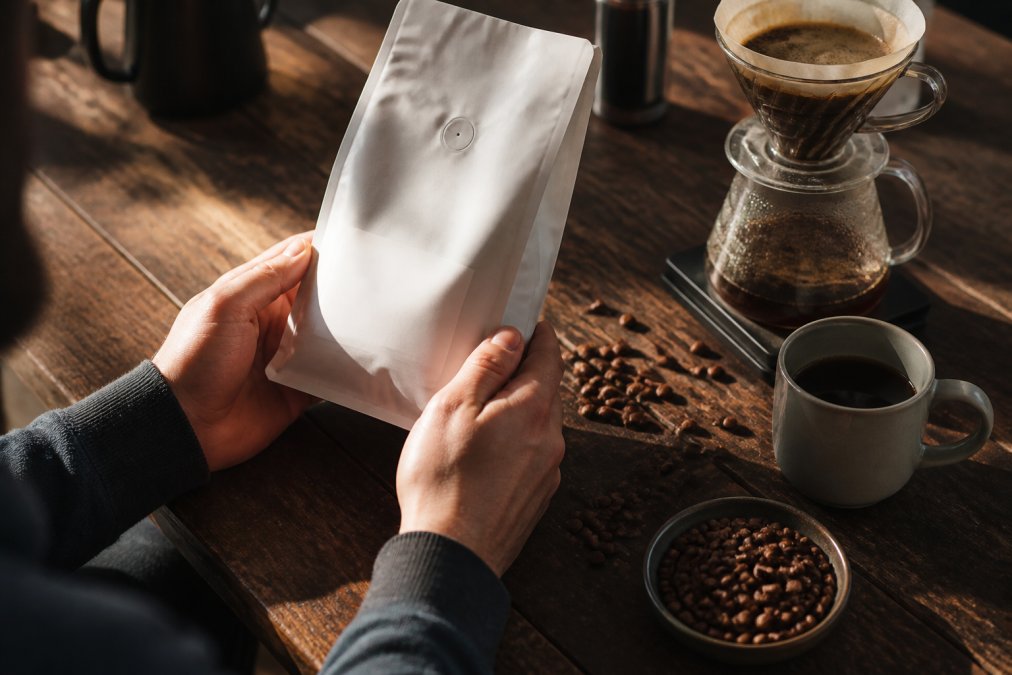
Roast date is the single most important variable on a coffee bag. Coffee begins losing volatile aromatic compounds immediately after roasting. By two weeks out, the coffee is noticeably flatter. By four weeks, it's significantly stale.
Press Coffee and Coava both print roast dates. However, they roast in batches and ship from inventory. By the time you receive the bag, the coffee may be 5-7 days old.
Lux Brew Coffee Co. roasts to order and ships within hours. Your coffee arrives at peak freshness, typically 1-3 days post-roast. The difference in flavor clarity and aromatic intensity is noticeable, especially in the first two weeks of the bag's life.
Cost-Per-Cup Analysis
Specialty coffee pricing varies widely. To calculate true cost-per-cup, divide the bag price by the number of cups you'll brew from it using a standard 1:16 brew ratio (one part coffee to sixteen parts water).
Many specialty coffee drinkers focus on per-pound price without considering freshness decay. A cheaper bag that's already two weeks old may deliver less flavor per cup than a fresher, slightly more expensive option.
Coffee Subscription Box Reviews: Delivery and Flexibility
Press Coffee's subscription delivers the same blend on a regular schedule (monthly, bi-weekly, or weekly). You can pause or cancel anytime. This model prioritizes convenience and consistency.
Coava's subscription rotates single-origins seasonally. You receive a different origin each month as new harvests arrive. This appeals to explorers who want variety and seasonal discovery. If you dislike a particular origin, you can skip that month or swap it for an alternative.
Subscription Service Models and Frequency Options
Lux Brew Coffee Co. offers both models: subscribe to a consistent single-origin or blend, or rotate through our seasonal single-origins for variety. Because we roast to order, we can accommodate subscription pauses without worrying about inventory.
Shipping Speed and Regional Delivery
Press Coffee and Coava both ship nationwide with standard 3-5 day delivery. Lux Brew Coffee Co. ships within hours of roasting, giving your coffee a significant freshness advantage. Depending on your location, you may receive coffee that's only 2-3 days post-roast.
Which One Should You Choose?
Press Coffee is the right choice if you want consistency, approachability, and a straightforward subscription. Their blends work across brewing methods, and their subscription model removes decision-making.
Coava is the right choice if you prioritize origin exploration and direct trade relationships. Their single-origin rotations encourage learning about coffee geography and processing methods.
Lux Brew Coffee Co. is the best choice if freshness is your priority and you want both consistency and exploration. Our roast-to-order model guarantees peak flavor. We source from ethical family farms with direct relationships, and we offer single-origins and blends, so you can choose consistency or exploration based on your mood.
Choosing specialty coffee beans comes down to what matters most to you: convenience, exploration, ethical sourcing, or freshness. Press Coffee and Coava each excel in their approach. But if you want the freshest possible beans roasted specifically for your order and shipped within hours, Lux Brew Coffee Co. delivers the quality and care that elevates your daily ritual. Explore our collection of single-origin beans and specialty blends sourced from ethical family farms, and experience how freshness transforms your cup.
Frequently Asked Questions
What's the real difference between Press Coffee and Coava Coffee in terms of freshness?
Freshness depends on roast date and how quickly beans ship after roasting. Both roasters prioritize fresh product, but the advantage goes to whichever roaster ships fastest from roast to your door. Press Coffee and Coava Coffee each maintain different roasting schedules and delivery networks, so freshness varies by your location and order timing. Check roast dates on the bag, specialty coffee is best within 2-4 weeks of roasting for peak flavor clarity and aroma.
How do I choose specialty coffee beans if I'm not an espresso expert?
Start with tasting notes and brewing method. If you use a French press, choose coarse grind whole bean coffee with full body and chocolaty or fruity notes. If you use a pour-over, look for medium-fine grind with higher acidity and clarity. Both Press Coffee and Coava Coffee provide detailed flavor profiles and brewing recommendations on their bags. Buy single-origin beans first to taste the difference, they show regional characteristics better than blends. One bag costs less than a week of café visits and teaches you what you prefer.
Are coffee subscription box services worth it compared to buying one bag at a time?
Subscriptions work best if you brew coffee regularly and want consistent freshness. Subscription services guarantee roasted-to-order beans arrive on schedule, eliminating the risk of stale coffee. However, flexibility matters, choose a service that lets you pause, skip months, or adjust frequency without penalties. If you drink fewer than 2 cups daily, buying single bags gives you more control over variety and prevents stockpiling. Compare cost-per-cup between subscription pricing and single-bag prices before committing.
What brewing variables matter most when comparing specialty roasters?
Water temperature, brew ratio, grind consistency, and bloom time affect extraction more than the roaster's name. Use 200°F water, a 1:16 coffee-to-water ratio, and bloom grounds for 30-45 seconds before full immersion. Different roast profiles require slight adjustments, lighter roasts often need slightly hotter water and longer brew times to extract sweetness. Press Coffee and Coava Coffee both provide brewing guidance specific to each roast. Dial in these variables with one bag before switching roasters, so you know whether differences come from the beans or your technique.
This article was written using GrandRanker