

Table of Contents
- Why Ethical Coffee Alternatives Matter More Than You Think
- Manual Brewing Methods: Zero-Waste Alternatives to Press Coffee
- Fair Trade Coffee Brands That Deliver Real Impact
- Zero-Waste Coffee Brewing: Equipment That Eliminates Disposable Filters
- Sustainable Coffee Certifications: What Actually Guarantees Ethical Sourcing
- Caffeine-Free and Plant-Based Coffee Alternatives: Beyond Traditional Beans
- Comparison Table: Ethical Brewing Methods and Brands at a Glance
- How to Choose Your Ethical Coffee Alternative: A Decision Framework
Ethical Coffee Alternatives to Press Coffee: A 2026 Guide
Last Updated: August 4, 2026
A presscoffee alternative for ethical coffee isn't just a trend, it's a response to real environmental and social costs baked into conventional brewing. Lux Brew Coffee Co. has spent years analyzing how coffee drinkers can reduce waste, support farmers fairly, and still get an exceptional cup. The specialty coffee market has shifted dramatically: consumers now expect transparency about where beans come from, how they're grown, and what happens to the equipment after purchase. This guide walks you through the brewing methods, ethical brands, and certifications that actually matter when you're looking for a presscoffee alternative for ethical coffee.
Why Ethical Coffee Alternatives Matter More Than You Think
The coffee industry moves approximately 25 million bags annually across global supply chains, with most volume flowing through middlemen who compress farmer profits to pennies per pound. When you choose a presscoffee alternative for ethical coffee, you're redirecting money toward people who actually grow the beans.
Environmental impact compounds the issue. Press pots are durable, but most filters are bleached paper or plastic mesh that end up in landfills or require industrial composting infrastructure that doesn't exist in most US municipalities. Cold brew bottles, single-serve pods, and disposable filters generate millions of tons of waste annually.
Manual brewing methods force intentionality. You can't phone it in. This psychological shift often leads to better-tasting coffee and deeper appreciation for the beans themselves.
According to Fair Trade USA's impact report on coffee farming, direct trade and fair trade certification increase farmer income by 30-50% compared to commodity pricing. That's transformative for coffee-growing communities.
Manual Brewing Methods: Zero-Waste Alternatives to Press Coffee
Manual brewing represents the intersection of sustainability and quality. These methods eliminate electricity, reduce packaging waste, and often produce cleaner, more flavorful coffee than press pots.
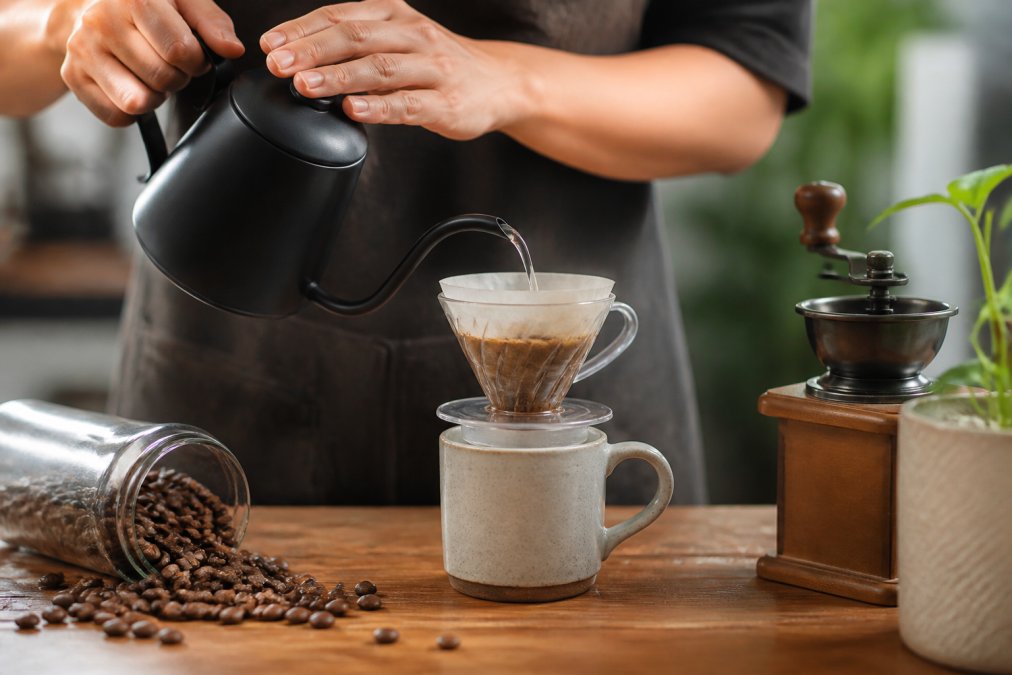
Pour-Over Brewing: Clean Extraction Without Disposable Filters
Pour-over coffee produces a sediment-free cup through gravity and paper or metal filters. The Chemex Classic Series Coffeemaker ($47.50 for 6-cup) remains the gold standard: borosilicate glass construction lasts decades, and the iconic design earned a spot in the Museum of Modern Art. It requires no electricity and produces exceptionally clean coffee.
You can switch to reusable metal filters to eliminate filter costs entirely. A metal pour-over dripper paired with a gooseneck kettle like the Fellow Stagg EKG ($169.00) gives you precision temperature control, critical for extracting the best flavors without bitterness.
Pour-over brewing typically takes 3-4 minutes from water heating to finished cup. Most specialty roasters, including Lux Brew Coffee Co., provide brewing guidance specific to each bean's roast profile and origin.
AeroPress: Portable and Low-Waste Immersion Brewing
The AeroPress Go ($39.95) combines immersion brewing with pressure to extract quickly. It's plastic-bodied but incredibly durable, with many users reporting 5+ years of daily use. The design fits inside its own mug, making it genuinely portable for travel, camping, or office brewing.
What makes the AeroPress ethical is the filter system. It uses either reusable metal filters or compostable paper filters, both eliminating disposable waste. A single metal filter lasts indefinitely. Brewing takes 90 seconds total, producing a smooth, low-acid cup that tastes closer to espresso than pour-over.
The learning curve is minimal. Fill, stir, press, done. The AeroPress produces one serving at a time, which is perfect for solo drinkers but impractical for households.
Fair Trade Coffee Brands That Deliver Real Impact
Choosing ethical coffee beans matters as much as choosing ethical brewing equipment. Fair trade and direct trade certifications guarantee farmer compensation, but the standards vary.
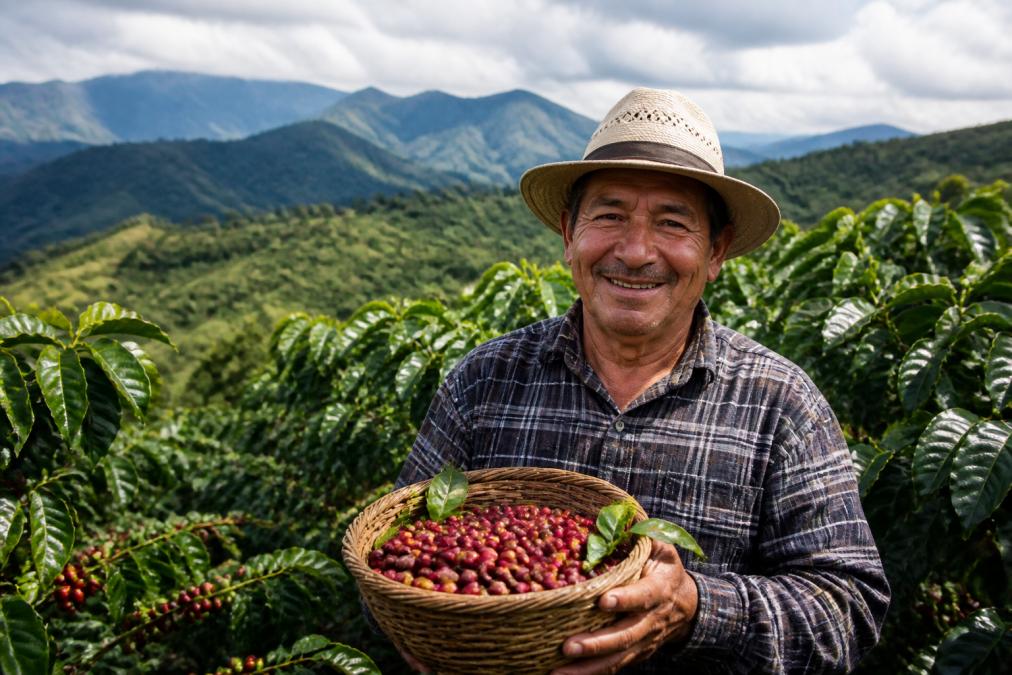
Farmer-Owned Cooperatives: Direct Support for Coffee Producers
Pachamama Coffee operates as a 100% farmer-owned cooperative, meaning profits flow directly back to the producers who grew the beans. This model eliminates middlemen entirely. Pachamama offers organic and Fair Trade certified coffees starting at $17.99 for a 12oz bag, with single-origin and blended options.
The transparency is remarkable. You can trace individual coffees back to specific cooperatives and even specific farmers. This direct connection creates accountability: if quality drops, farmers know it immediately. If prices spike, they benefit directly.
Equal Exchange ($9.00 for 10oz of ground coffee) pioneered the fair trade movement in the US and remains worker-owned. They've been certifying direct relationships with small-scale farmers since the 1980s, emphasizing long-term partnerships over transactional relationships.
Transparency-First Roasters: Knowing Where Your Coffee Comes From
Counter Culture Coffee publishes detailed sustainability reports annually, breaking down environmental impact, farmer payments, and supply chain improvements. This radical transparency is rare. Counter Culture's single-origin coffees start at $18.00 for 12oz and maintain direct trade relationships, meaning farmers receive 30-50% premiums over commodity prices.
STŌK Cold Brew ($4.99 for 48oz) offers ready-to-drink convenience with Rainforest Alliance certification, verifying sustainable farming practices and worker welfare. Death Wish Coffee combines USDA Organic and Fair Trade certifications ($19.99 for 1lb), appealing to drinkers who want high caffeine content alongside ethical sourcing.
Zero-Waste Coffee Brewing: Equipment That Eliminates Disposable Filters
The brewing equipment you choose determines how much waste your coffee ritual generates. Reusable systems eliminate the single-use filter problem entirely.
Reusable Metal Filters and Mesh Systems
Metal filters for pour-over drippers cost $15-25 one-time and last indefinitely. They're fine-mesh stainless steel that allows slightly more coffee oils through compared to paper filters, producing a richer, fuller-bodied cup.
Mesh filters require rinsing immediately after brewing to prevent coffee oil buildup. A 10-second rinse under hot water solves this completely. Unlike paper filters, metal filters never need replacing.
The Yield Design Co. French Press ($85.00) elevates the concept with sustainable materials, combining borosilicate glass, stainless steel, and copper. No electricity, no disposable filters, no plastic components. It brews a full-bodied cup through immersion and becomes a lifetime kitchen tool.
Glass and Steel Brewing Equipment: Durability Meets Sustainability
Glass and steel brewing vessels last decades when treated properly. The Chemex is borosilicate glass, which resists thermal shock. Stainless steel components won't rust or corrode.
The sustainability calculation is straightforward: a $50 brewing device used daily for 10 years costs $0.014 per use. A $0.25 disposable filter used daily for 10 years costs $912.50. The reusable equipment wins environmentally and economically within weeks.
Durability also means repairability. Unlike plastic brewers that crack and must be replaced, glass and steel equipment can be serviced. Broken glass can be replaced. Seals can be updated.
Sustainable Coffee Certifications: What Actually Guarantees Ethical Sourcing
Not all certifications carry equal weight. Understanding the standards behind the labels helps you identify genuinely ethical coffee versus marketing greenwashing.
Fair Trade Certified guarantees minimum prices for farmers (currently $1.40/lb for Arabica) and requires democratic farmer organizations. The certification includes environmental standards: no synthetic pesticides on shade-grown crops, soil conservation, and water quality protections.
Rainforest Alliance Certified focuses on environmental sustainability: biodiversity protection, soil and water conservation, and worker welfare. It doesn't guarantee specific price premiums but requires transparent supply chains and third-party verification.
Direct Trade isn't a formal certification but a sourcing philosophy where roasters buy directly from farms at negotiated prices, typically 25-50% above commodity rates. No middleman means less certification bureaucracy, but also less third-party verification.
USDA Organic certifies that coffee was grown without synthetic pesticides or fertilizers. It doesn't guarantee fair wages or environmental practices beyond pesticide restrictions.
Lux Brew Coffee Co. sources from ethical family farms and commits to transparency about sourcing practices. The emphasis on roasting to order and shipping within hours ensures peak freshness, a quality commitment that complements ethical sourcing.
Caffeine-Free and Plant-Based Coffee Alternatives: Beyond Traditional Beans
For drinkers who want to reduce caffeine or explore entirely different flavor profiles, plant-based alternatives deliver ritual and taste without coffee beans.
Roasted Chicory and Dandelion Root: Sustainable Substitutes
Chicory root, roasted and ground, produces a bitter, earthy beverage that resembles coffee in body and mouthfeel. It contains zero caffeine and grows as a hardy perennial crop requiring minimal inputs, no pesticides, no fertilizer, minimal water. Dandelion root follows the same profile: caffeine-free, sustainable, and traditionally used in coffee blends.
These alternatives work best blended with actual coffee rather than consumed alone. A 50/50 chicory-coffee blend reduces caffeine by half while adding depth and complexity. The environmental footprint shrinks dramatically.
Herbal Infusions: Ritual Without the Caffeine
Herbal coffee alternatives like roasted barley, rye, and various herbal blends provide the brewing ritual without caffeine. They're often less bitter than chicory but also less coffee-like in flavor. The advantage is variety: you can rotate through dozens of herbal profiles without caffeine dependency.
Herbal infusions pair naturally with manual brewing methods. A pour-over cone works perfectly for loose herbal blends. Cold brew works for overnight steeping. The sustainability profile is excellent, with most herbal alternatives sourcing from regenerative farms or wild-harvested plants.
| Alternative | Caffeine Content | Flavor Profile | Best Brewing Method | Sustainability |
|---|---|---|---|---|
| Chicory Root | 0mg | Bitter, earthy | Pour-over or French press | Excellent, perennial crop, minimal inputs |
| Dandelion Root | 0mg | Mild, slightly sweet | Pour-over or French press | Excellent, wild harvested or cultivated |
| Herbal Blends | 0mg | Varies widely | Pour-over, cold brew, or immersion | Excellent, often organic and regenerative |
| Fair Trade Coffee | 95-200mg per cup | Complex, origin-specific | Any manual method | Good, certified sourcing available |
| Organic Coffee | 95-200mg per cup | Clean, pesticide-free | Any manual method | Good, no synthetic chemicals |
How to Choose Your Ethical Coffee Alternative: A Decision Framework
Selecting a presscoffee alternative for ethical coffee requires balancing three priorities: environmental impact, ethical sourcing, and personal preference.
Prioritize by Environmental Impact and Brewing Ritual
Start by assessing your non-negotiables. Do you want zero waste, or is carbon footprint your primary concern? Do you value the brewing ritual, or do you prioritize convenience?
If zero waste is paramount, choose manual brewing equipment (pour-over, AeroPress, or French press) paired with reusable filters. These eliminate packaging waste and disposable filters entirely.
If brewing ritual matters, pour-over or French press methods force intentionality. You engage with the coffee at every step. This psychological component often leads to better-tasting coffee and deeper appreciation for the beans.
If caffeine sensitivity is the issue, explore chicory, dandelion, or herbal alternatives. They deliver ritual without the neurological effects and are the most sustainable options from a regenerative agriculture perspective.
Align Your Choice With Your Values and Lifestyle
Ethical sourcing requires research. Read the roaster's transparency reports. Can you trace your beans back to a specific farm or cooperative? Does the roaster publish farmer payment data?
Lux Brew Coffee Co. emphasizes roasting to order and shipping within hours, ensuring peak freshness. This commitment to quality complements ethical sourcing: you're supporting farms fairly and receiving beans at their peak flavor window.
Lifestyle factors matter too. Solo drinkers benefit from AeroPress or single-serve pour-over. Households need larger-capacity equipment like Chemex or French press. Travelers need portability, which favors AeroPress Go.
Build your system incrementally. Start with one reusable brewing device and one ethical brand. Use them for 30 days. Notice what works and what frustrates you. Then refine. This approach prevents waste from abandoned equipment and helps you discover your actual preferences rather than your aspirational ones.
The choice between conventional press coffee and ethical alternatives isn't about sacrifice, it's about alignment. You get better-tasting coffee, support farmers fairly, and eliminate waste. Lux Brew Coffee Co. offers specialty grade coffee roasted to order from ethical family farms, shipped within hours to guarantee peak freshness. Start with a presscoffee alternative for ethical coffee that matches your lifestyle, then explore how small changes compound into meaningful impact for both your cup and the people who grew it.
Frequently Asked Questions
What makes an ethical coffee alternative better than regular press coffee?
Ethical coffee alternatives address two core concerns: the brewing method's environmental impact and the beans' sourcing practices. Zero-waste brewing methods eliminate disposable filters and reduce energy consumption. Fair trade and regenerative agriculture practices ensure coffee farmers receive fair wages and work on sustainable farms. Together, these factors create a coffee experience that aligns with your values without compromising quality or taste.
How do I verify that a coffee brand is truly using sustainable coffee certifications?
Look for third-party certifications like Fair Trade Certified, USDA Organic, and Rainforest Alliance on the packaging or brand website. Fair trade certifications guarantee minimum prices paid to farmers. Organic certification ensures no synthetic pesticides were used. Rainforest Alliance certification supports environmental and social standards. Transparency matters: reputable brands publish sustainability reports and list their farm partners by name or region, allowing you to trace your coffee's origin.
What's the difference between zero-waste coffee brewing and traditional press methods?
Zero-waste brewing eliminates single-use paper filters entirely. Methods like pour-over with reusable metal filters, French presses with steel mesh, and AeroPress with washable components reduce landfill waste significantly. Traditional press coffee often uses disposable filters that contribute to waste. Additionally, manual brewing methods like pour-over require no electricity, lowering your carbon footprint. The trade-off is slightly more hands-on preparation, but many find the ritualistic aspect rewarding and meditative.
Are caffeine-free alternatives like roasted chicory actually sustainable?
Yes, roasted chicory and dandelion root are highly sustainable alternatives. These plants require minimal pesticides, grow in diverse climates, and regenerate soil health. They're often sourced from regenerative farms where ethical sourcing practices are standard. However, they offer a different flavor profile than coffee, so they're best viewed as complementary options rather than direct replacements. Many coffee drinkers enjoy blending them with ethically sourced coffee beans for a lighter caffeine experience while maintaining sustainability.
How do I know if my brewing equipment is truly compostable or just recyclable?
Compostable means the item breaks down into natural materials within a specific timeframe in industrial compost facilities, not landfills. Recyclable means it can be processed into new materials but requires specialized collection. Glass and stainless steel brewing equipment is indefinitely recyclable and lasts decades, making them the most sustainable long-term choice. Paper filters labeled 'compostable' will break down in home or commercial compost. Always check manufacturer labels for specific certifications, compostable products typically carry ASTM D6868 or similar certification marks.
This article was written using GrandRanker