

Quick Summary
Brewing equipment compatibility is whether your grinder, brewer, filters and pods physically fit and work together without leaking, clogging or over-extracting. Check basket size, pod format and filter dimensions against the manufacturer's specifications before buying, rather than relying on product titles.
- Compatibility works on four levels: physical fit, operational fit, material fit and commercial fit.
- Measure basket and cone dimensions before buying, since "universal" often means a narrow range.
- Confirm your machine's exact model number and check the pod format against its compatibility list.
- Retest the full system after any accessory swap, because a different basket can change extraction.
Table of Contents
- What Brewing Equipment Compatibility Actually Means
- Types of Coffee Brewing Methods and Their Equipment Needs
- Coffee Pod Compatibility Chart: Matching Pods to Machines
- Coffee Maker Filter Compatibility: Sizes, Shapes and Materials
- Grinder and Brewer Compatibility: Matching Grind Size to Method
- Coffee Brewing Equipment Checklist Before You Buy
- Booking Your Next Step: Choosing Beans That Fit Your Setup
- Frequently Asked Questions
What Brewing Equipment Compatibility Actually Means
Last Updated: November 10, 2026
Compatibility works on four levels. The first is physical fit: basket diameter, group head size, filter shape and the height of the drip tray. The second is operational fit: whether a grinder's grind range matches the brewing method, and whether a pressure system suits the pod format. The third is material fit, since some filters and baskets react differently to heat and cleaning agents. The fourth is commercial fit, where proprietary systems limit which accessories and refills you can buy.
A common mistake is assuming that "universal" means "interchangeable." Many accessories are labeled universal but only match a narrow range of dimensions.
Watch out: buying a grinder or pod system before confirming your brewer's basket size or pod format is the most frequent source of wasted money in this category.
Our guide covers each layer in turn, so you can build a setup that works as a system rather than a collection of parts.
Types of Coffee Brewing Methods and Their Equipment Needs
Each brewing method places different demands on your equipment. Drip brewing relies on a basket, a filter and steady water flow.
Because the equipment requirements differ so sharply, compatibility starts with knowing your method.
Practical planning tip: list the methods you actually use weekly, then choose grinders and accessories that cover those methods first. A single versatile setup often beats several specialist tools you rarely touch.
Coffee Pod Compatibility Chart: Matching Pods to Machines
Pod systems are where compatibility problems are most visible, because the pod, the machine and the brewing chamber must all agree. A pod sized for one system may fit loosely or not at all in another, and the wrong fit can cause leaks or weak extraction.
Use the following checklist before purchasing pods:
- Identify your machine's brand and model number.
- Check whether the machine accepts proprietary pods, open-standard pods, or both.
- Confirm the pod format matches the machine's stated compatibility list.
- Read the packaging for the exact system name, not just the pod shape.
- Check the manufacturer's compatibility page for any recently discontinued formats.
Proprietary Systems vs. Open-Standard Pods
Proprietary systems are engineered to a single manufacturer's specifications. They tend to deliver consistent results and a tightly controlled user experience, but you are typically limited to that brand's pods and often pay a premium per cup.
The trade-off is clear. Proprietary systems favor reliability and convenience; open standards favor flexibility and cost. If you plan to stay with one machine for years, a proprietary system is usually the lower-risk option.
Reusable Pods and Cross-Brand Accessory Fit
Reusable pods let you fill your own pod with ground coffee, which reduces single-use waste and opens up cross-brand accessory options.
When testing a reusable pod, start with a smaller dose than you think you need, run one brew, and check the spent grounds for even saturation.
The table below sums up the fit checks that matter most before you buy pods.
| Check | What to confirm | Why it matters |
|---|---|---|
| Machine brand and model | Record the exact model number | Pod fit depends on the machine |
| System type | Proprietary, open-standard or both | Sets how many pods you can buy |
| Pod format | Matches the machine's compatibility list | Wrong format can leak or weaken extraction |
| Packaging | Exact system name, not just pod shape | Shape alone does not guarantee fit |
| Discontinued formats | Check the manufacturer's compatibility page | Avoids buying formats no longer supported |
| Reusable pod fill | Start with a smaller dose | Overfilling can stop the lid sealing |
Coffee Maker Filter Compatibility: Sizes, Shapes and Materials
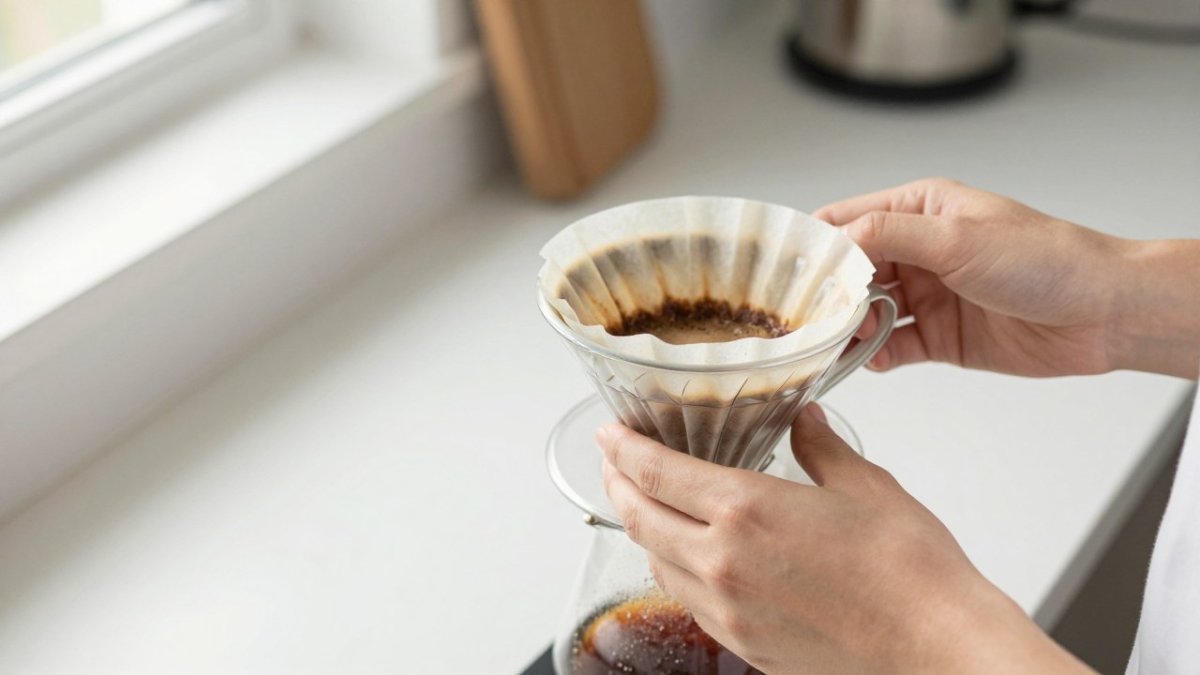
Filters are the most overlooked compatibility factor, and they are also the easiest to get wrong when you move beyond the manufacturer's own consumables. Most drip brewers and pour-over cones are designed around a small number of standard cone and basket geometries, but the tolerances between brands are not identical. A filter that sits flush in one cone may sag, fold or leave a gap in another.
Cone Filters: Reading the Number
Cone filters are typically identified by a size number. For pour-over cones, the most common sizes in the US market are #1, #2 and #4, with the number corresponding to the cone's capacity and the filter's basic footprint. Cone size is a pairing decision: a #2 filter in a cone designed for #4 will tend to collapse toward the apex, which restricts flow and produces an over-extracted, bitter cup.
Basket Filters and Flat-Bottom Designs
Drip machines with flat-bottom baskets use a different geometry. Basket filters are usually sized by the brewer's capacity, such as 8 to 12 cup, and the critical measurement is the basket's base diameter and wall height. A basket filter that is too shallow will not seal against the sides, letting grounds migrate into the carafe. Measure the basket's interior before ordering, and treat any claim that a filter is "universal" for baskets as a prompt to verify, not an assurance.
Third-Party and Universal Filter Fit
This is where most buyers run into trouble. Third-party filters are often sold as universal, but in practice they fit a narrow band of dimensions. When evaluating one, compare three numbers against your brewer: the nominal size, the base diameter, and the flute or pleat count, since a different pleat pattern changes how the filter sits against the cone walls.
Materials and What They Change
Paper filters trap most oils and fine sediment, producing a cleaner, lighter-bodied cup. Bleached and unbleached papers differ slightly in taste and are a matter of preference rather than fit. Metal mesh filters pass more oils and fines, which many people prefer for fuller body, but they sit at a different depth than paper, so a metal filter in a paper-sized cone can change extraction time.
Reusable and Sustainable Alternatives
Reusable metal and cloth filters reduce waste, and they remain compatible with most standard cones and baskets as long as the dimensions match the original format. The compatibility rule is consistent across all of these: the dimensions and shape of the filter matter more than the material, so verify size first and choose the material second.
Grinder and Brewer Compatibility: Matching Grind Size to Method
Grind size is the bridge between your grinder and your brewer, but compatibility at this stage is about more than the grind range on a spec sheet. The grinder's output has to match the physical accessories the brewer expects, particularly on espresso systems where the portafilter basket, the tamper and the dose all have to agree.
Grind Range Versus Grind Consistency
A grinder may claim a wide adjustment range, but range alone does not determine compatibility. Two grinders can both reach a fine setting while producing very different particle distributions. Burr grinders produce a narrow, consistent particle size, which matters most for espresso and pour-over. Blade grinders produce a wide spread of fines and chunks, which is acceptable for coarse French press but unreliable for anything that depends on uniform flow.
Portafilter Basket Sizing
On espresso machines, the portafilter basket is the accessory most likely to be mismatched. Baskets are commonly sized for single and double doses, and the diameter of the basket must match the portafilter's internal diameter. A basket that is even slightly undersized will channel, and a basket that is oversized will not seat. Before buying a third-party basket, confirm the portafilter's internal diameter in millimeters and the dose capacity you intend to use.
Tamper Diameter and Puck Preparation
A tamper should be slightly smaller than the basket's internal diameter so it presses the grounds evenly without binding against the walls. A tamper that is too large cannot enter the basket, and one that is too small leaves an uneven edge that encourages channeling. Measure the basket's internal diameter and select a tamper a fraction of a millimeter smaller, or choose a tamper designed for that exact basket size.
Grinder Output and Brewer Dose
Before you commit to a grinder, check how many grams it delivers per dose and whether that matches your brewer's capacity. A grinder that produces a dose too large for the basket wastes coffee and forces you to dump grounds; one that produces too little leaves the basket underfilled and the puck too shallow. Test with the actual basket you will use, weighing the dose on a scale before brewing.
Quick Compatibility Test
Brew the same coffee twice, changing only the grind setting by one step. If the cup tastes dramatically different, your grinder has the precision to support that method.
Watch out: a grinder that performs well with one basket can under-extract with a different basket of the same nominal size if the depth differs, so retest the full system after any accessory swap.
Coffee Brewing Equipment Checklist Before You Buy
Use this checklist to confirm your setup works together before committing to a purchase:
- Brewer model and basket or group head dimensions recorded
- Grinder confirmed to reach the grind range your method needs
- Filter size and shape matched to the brewer's manual
Booking Your Next Step: Choosing Beans That Fit Your Setup
Once your equipment is sorted, the final decision is the coffee itself. Choose beans whose roast level and grind suitability match your method.
Pricing depends on bean origin, quantity, subscription frequency and delivery details, so visit the Lux Brew Coffee Co. website for current prices and to explore single-origin and specialty blends that suit your brewer.
What do you need to check before buying new coffee gear?
Frequently Asked Questions
What is the 15-15-15 rule for coffee?
The 15-15-15 rule is a popular starting point for pour-over and drip brewing: about 15 grams of coffee, 15 seconds of bloom time and 15 seconds of total pour-time in the first stage, depending on the method you use. Treat it as a baseline rather than a fixed standard. Your grinder setting, roast level and brewer design will shift the ideal numbers, so adjust one variable at a time and taste each result before changing the next.
Which coffee pods are compatible with different machines?
Pod compatibility depends on the machine's brewing system, not the pod's shape alone. Single-serve machines that use proprietary cups only accept pods made for their own system or licensed partners. Open-standard systems accept pods that match the cup diameter and fit the holder. Check the machine's manual or manufacturer compatibility list before buying, and confirm that the pod's packaging names the machine brand you own.
How do I know which filters fit my coffee maker?
Start with the filter size printed on the brewer or in its manual, usually a number such as #2, #4 or a cone size. Drip makers typically take basket filters that match the basket's diameter, while pour-over cones use a specific cone size. Some makers take either paper or reusable mesh filters, but mesh may require a different basket fit. Measure the basket's internal diameter if the label is missing.
Can I use any coffee grinder with any coffee brewer?
Any grinder can produce coffee for any brewer, but the grind size has to match the method. Drip and pour-over brewers work best with medium grinds, French press needs coarse, and espresso needs fine. A grinder with stepped settings and consistent particle size will serve more brewers well than a cheap blade grinder, which produces uneven grounds that over- and under-extract in the same cup.
What equipment do I need for pour-over coffee?
A pour-over setup needs a dripper or cone that matches your filter size, a compatible paper or reusable filter, a gooseneck kettle for controlled pouring, a scale for weighing coffee and water, and a burr grinder for consistent medium grounds. A timer helps keep brew times repeatable. Rinse paper filters before adding grounds to avoid a papery taste.
Are coffee makers and accessories universally compatible?
No. Carafes, baskets, filters, water filters and pods often work only within a single brand or model family. Some accessories are sold as universal, but they still depend on basket diameter, carafe height and lid fit. Check the model number on your brewer before ordering replacements, and buy from a source that lists exact fit information for that model.
What should I check before buying a replacement coffee carafe?
Confirm the model number, carafe capacity in cups or ounces, the lid and spout design, and whether the carafe has a warming plate that matches your base. Measure the height if the carafe must fit under a cabinet or a tight counter. Keep the original carafe's part number in your records so you can match it later.
