

Table of Contents
- Why Choose Artisan Loose Leaf Tea Over Mass-Produced Options
- Shop by Tea Type: Single-Origin, Blends, and Specialty Varieties
- How to Brew Loose Leaf Tea: Water Temperature and Steeping Time
- Organic and Fair Trade Certification: What It Means
- Artisan Tea and Coffee Gift Sets for Every Occasion
- Caffeine Content Comparison Guide
- Flavor Profile Mapping: Finding Your Perfect Tea
- Sustainability and Packaging Transparency
Last Updated: August 21, 2026
Why Choose Artisan Loose Leaf Tea Over Mass-Produced Options
Artisan loose leaf tea retains whole leaves that preserve essential oils, aromatics, and flavor compounds. Broken fragments in standard tea bags oxidize faster, losing potency within weeks. Full leaves deliver noticeably more complex flavor profiles with each steep.
At Lux Brew Coffee Co., we understand that tea quality mirrors coffee quality: freshness and sourcing matter. Mass-produced options prioritize shelf stability and cost reduction over taste. Artisan producers focus on harvest timing, oxidation levels, and small-batch processing that preserve what makes tea worth drinking.
A single cup brewed from full leaves produces multiple infusions, sometimes five to seven strong steeps from the same leaves. Commercial tea bags typically deliver one decent cup before flavor collapses. Over a year, choosing artisan loose leaf tea becomes economical, not just pleasurable.
Artisan sourcing often means direct relationships with tea gardens. You know where your leaves grew, when they were harvested, and how they were processed. This transparency matters if you care about sustainability, fair wages, or supporting small producers rather than industrial operations.
Shop by Tea Type: Single-Origin, Blends, and Specialty Varieties
Choosing artisan loose leaf tea starts with understanding the main categories. Each type has distinct flavor profiles, caffeine levels, and brewing requirements.
Full-Leaf Black Teas
Black teas are fully oxidized, creating bold, strong flavors and higher caffeine content than other varieties. Single-origin black teas from specific estates deliver terroir, the distinctive characteristics imparted by soil, altitude, and climate. An Assam black tea from India tastes entirely different from a Keemun from China.
When you buy artisan loose leaf tea in the black category, look for whole leaves without dust or fannings. Estate-grown black teas command higher prices because they're harvested and processed with care. The flavor payoff is immediate: deeper body, natural sweetness, and complexity that unfolds across multiple infusions.
Specialty black blends combine single-origin leaves with complementary ingredients. A London Fog blend pairs black tea with bergamot oil and vanilla. These blends work best when the tea base is high-quality; inferior leaves disappear under added flavors.
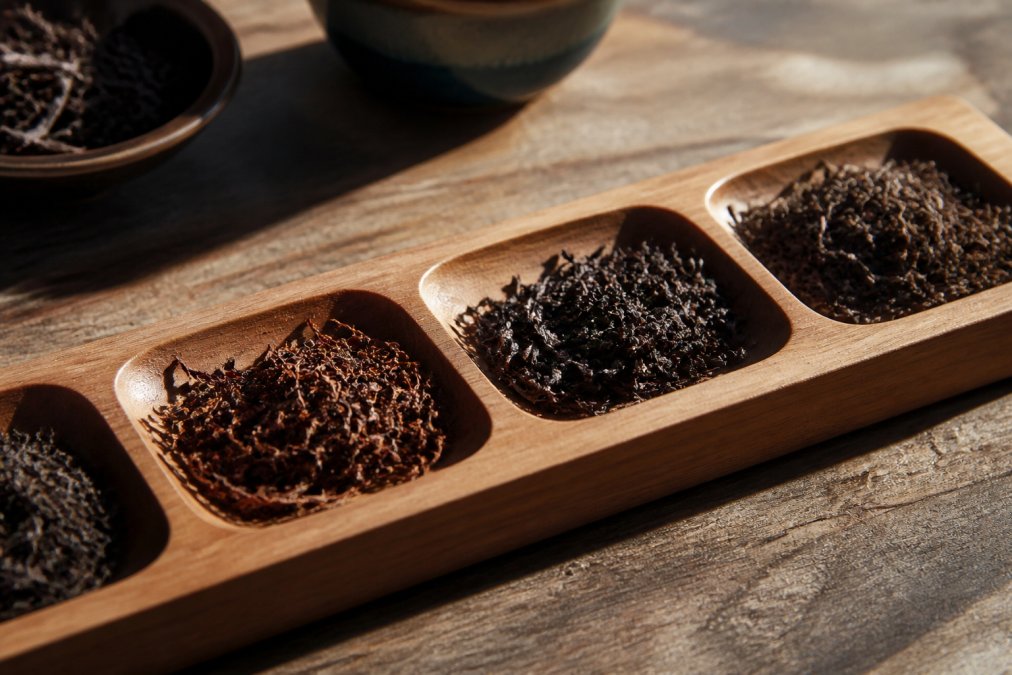
Green and White Tea Estates
Green teas are minimally oxidized, preserving fresh, vegetal notes. White teas receive even less processing, resulting in delicate, subtle flavors and the lowest caffeine content among true teas. Both categories benefit dramatically from quality sourcing; poor handling during harvest or storage ruins these delicate profiles.
Single-origin green teas from Japan, China, and Korea each have distinct characteristics. Japanese sencha offers grassy, umami-forward notes. Chinese dragonwell delivers sweet, chestnut-like flavors. Korean green teas offer fresh, slightly fruity profiles. Origin matters as much as processing when shopping for artisan loose leaf tea.
White teas are the least processed of all true teas, making them sensitive to storage conditions. Buy from sellers who prioritize freshness. Premium white teas like Silver Needle or White Peony command high prices because the leaves are hand-selected and the yield is low.
Herbal Infusions and Caffeine-Free Options
Herbal infusions aren't technically tea, they don't contain leaves from the camellia sinensis plant. But artisanal herbal blends deserve the same attention to quality and sourcing. Chamomile, rooibos, peppermint, and hibiscus infusions range from generic to exceptional depending on freshness and ingredient quality.
Caffeine-free options appeal to afternoon and evening drinkers or anyone sensitive to caffeine. High-quality herbal infusions deliver complexity comparable to true teas when sourced from specialty producers. A premium rooibos from South Africa tastes nothing like grocery-store rooibos.
Many artisan producers craft signature herbal blends combining multiple ingredients. A wellness blend might layer turmeric, ginger, and black pepper. These blends work best when each ingredient is recognizable and flavorful.
How to Brew Loose Leaf Tea: Water Temperature and Steeping Time
Brewing loose leaf tea correctly transforms the experience. Temperature and timing determine whether you extract the tea's best qualities or its harsh, bitter compounds.
Steeping Guidelines by Tea Type
Black teas require water between 195-212°F and steep for 3-5 minutes. Full oxidation means the leaves can handle hotter water without becoming overly astringent. If you're using a kettle without temperature control, let boiling water cool for 30 seconds before pouring. Multiple infusions from the same leaves are possible; extend steeping time by 30 seconds for each subsequent brew.
Green teas need cooler water: 160-180°F for 2-3 minutes. This lower temperature preserves the fresh, delicate flavors that make green tea distinctive. Oversteeping green tea produces unpleasant grassy or bitter notes.
White teas are the most delicate: 160-170°F for 3-5 minutes. The leaves are fragile and lightly processed, so gentle brewing is essential. White teas often improve with longer steeping times compared to other varieties, as long as the water temperature stays low.
Oolong teas fall between green and black: 195-205°F for 3-5 minutes. Many oolong enthusiasts use the "rinse" method, a quick 15-second steep with discarded water that removes dust and opens the leaves before actual brewing.
Herbal infusions generally tolerate boiling water: 200-212°F for 5-10 minutes. The longer steeping times allow flavors to fully develop.
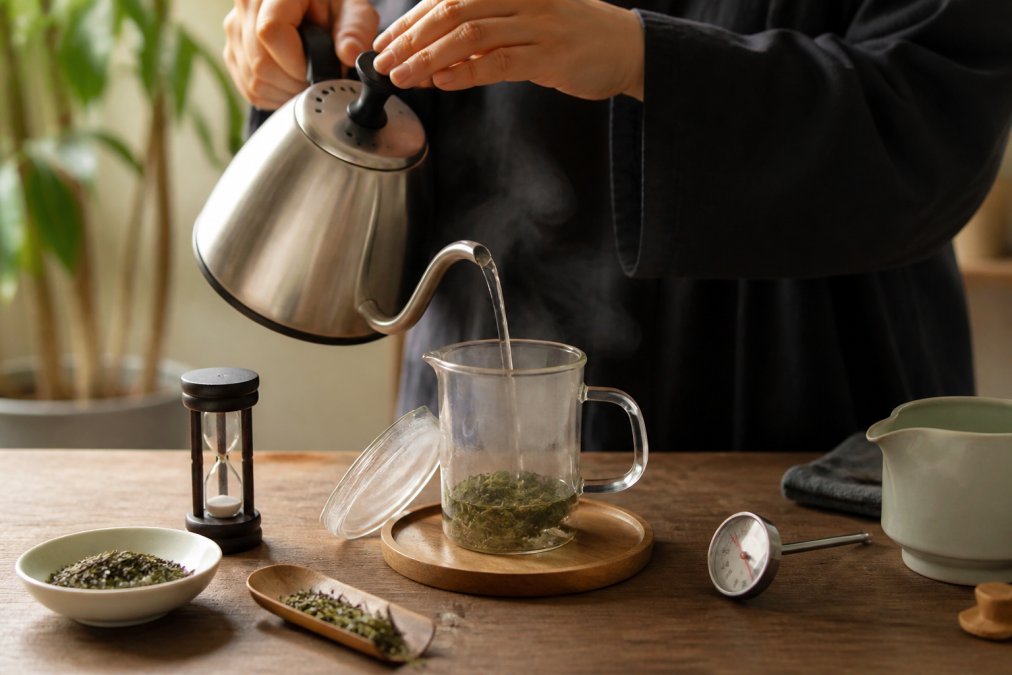
Brewing Accessories You'll Need
A simple infuser makes brewing loose leaf tea convenient. Mesh ball infusers work for most teas, though basket infusers or glass teapots with built-in strainers offer more room, allowing leaves to unfurl fully and extract more flavor.
A thermometer removes guesswork from water temperature. Digital thermometers are inexpensive and accurate. Many tea enthusiasts use electric kettles with temperature settings, which guarantee precise water temperatures without monitoring.
A gooseneck kettle gives you control over pouring speed and water distribution. Standard kettles work fine; the gooseneck is a convenience upgrade.
A timer ensures consistent brewing. Consistency in steeping time produces repeatable results, helping you dial in your preferred strength.
Organic and Fair Trade Certification: What It Means
When you buy artisan loose leaf tea online, you'll encounter certifications claiming organic status or fair trade practices.
Organic certification means the tea was grown without synthetic pesticides, fertilizers, or herbicides. Standards vary by certifying body, USDA organic, EU organic, and Japanese organic standards have different requirements. Organic teas typically cost more because farming without synthetic inputs requires more labor and careful management. The primary benefit is reducing pesticide residue in your cup and supporting farming practices with lower environmental impact.
Fair trade certification indicates that tea workers received fair wages and worked in safe conditions. Fair trade organizations audit producers and guarantee minimum prices for tea leaves. This matters because tea gardens in developing countries often operate with minimal labor protections.
Look for certifications from recognized bodies: USDA Organic, Fair Trade USA, Rainforest Alliance, or equivalent standards in the tea's origin country. Be skeptical of vague claims like "ethically sourced" without third-party verification.
Artisan Tea and Coffee Gift Sets for Every Occasion
Curated gift sets combine multiple teas or blends into a single package, making them ideal for introducing someone to artisan loose leaf tea. The best sets include variety, different types, origins, or flavor profiles that let the recipient explore and discover preferences.
Premium gift sets typically include brewing accessories alongside the tea. A set might contain three single-origin teas, a mesh infuser, and tasting notes describing each tea's origin and flavor profile.
When selecting a gift set, consider the recipient's preferences. A coffee enthusiast might appreciate a set pairing artisan tea with specialty coffee. A wellness-focused person might prefer herbal infusions and caffeine-free blends.
Lux Brew Coffee Co. offers curated sets combining premium loose leaf tea with complementary products, designed for gifting or personal exploration. The sets emphasize small-batch sourcing and freshness, aligning with the same quality standards applied to specialty coffee.
Caffeine Content Comparison Guide
Understanding caffeine levels in different tea types helps you choose based on your sensitivity and time of day.
Black teas contain the most caffeine among true teas: roughly 40-70 mg per 8-ounce cup, depending on steeping time and leaf quantity. Green teas fall in the middle range: 20-45 mg per cup. White teas have the lowest caffeine among true teas: 15-30 mg per cup. Oolong teas vary widely: 30-50 mg per cup is typical.
Herbal infusions and tisanes contain zero caffeine, making them ideal for evening drinking or caffeine-sensitive individuals.
Steeping time affects caffeine extraction. A shorter steep (2 minutes) pulls less caffeine than a longer steep (5 minutes) from the same leaves. If you're sensitive to caffeine but prefer black tea's flavor, try a 2-3 minute steep instead of the standard 4-5 minutes. The first infusion extracts the most caffeine; subsequent infusions contain progressively less.
Flavor Profile Mapping: Finding Your Perfect Tea
Artisan loose leaf tea offers an enormous range of flavor possibilities. Mapping your preferences helps narrow the selection and discover teas you'll actually enjoy.
Start by considering base flavor preferences. Do you prefer earthy, bold flavors or bright, delicate ones? Black teas and oolong teas tend toward earthy, full-bodied profiles. Green and white teas offer lighter, more delicate flavors.
Next, consider whether you enjoy added flavors or prefer pure, unblended teas. A flavored black tea with bergamot (Earl Grey) appeals to people who like citrus. Pure single-origin teas showcase the tea garden's unique characteristics.
Aroma matters as much as taste. Smell the dry leaves before brewing; the aroma often hints at the brewed tea's flavor. Try tasting notes provided by artisan sellers. Descriptions like "honey, stone fruit, and wildflower" help you predict whether a tea matches your preferences.
Sustainability and Packaging Transparency
Artisan tea producers increasingly prioritize sustainable practices and transparent packaging.
Sustainable tea farming practices include shade-growing, composting, and water conservation. Shade-grown teas develop more slowly, producing more complex flavor profiles while preserving forest canopy. Composting replaces synthetic fertilizers, improving soil health. Water-efficient irrigation reduces strain on local water supplies.
Packaging transparency means sellers clearly communicate how tea is stored, shipped, and handled. Teas stored in light-blocking containers with oxygen absorbers stay fresher longer. Many artisan producers use compostable or recyclable packaging instead of plastic. Some sellers offer refill options, allowing customers to return containers for reuse.
Ask sellers about their sourcing relationships and farming practices. Reputable artisan producers provide detailed information about tea gardens, harvest seasons, and processing methods.
USDA organic certification standards for tea
Fair Trade USA standards for tea producers
Specialty Tea Association guidelines for loose leaf tea quality
Finding your ideal artisan loose leaf tea requires exploring different types, origins, and flavor profiles. The investment in quality loose leaf tea pays dividends through superior flavor, multiple infusions per serving, and the satisfaction of supporting ethical, sustainable producers. Lux Brew Coffee Co. curates a selection of premium loose leaf teas sourced from ethical family farms, roasted and processed to preserve freshness and complexity. Start with a sampler set to discover your preferences, then build a collection of teas you'll return to regularly.
Frequently Asked Questions
What makes artisan loose leaf tea different from tea bags?
Artisan loose leaf tea uses whole, unbroken leaves that release flavor and aroma more fully during steeping, while tea bags often contain broken leaves and dust that brew quickly but produce less complex flavor. Full-leaf teas typically offer more nuanced tasting notes, better aroma, and a richer infusion. Many artisan producers hand-select leaves from specific estates, giving you traceability and control over your brewing experience that mass-produced options cannot match.
How do I know if loose leaf tea is truly ethically sourced?
Look for certifications like Fair Trade, Rainforest Alliance, or direct-trade claims backed by transparency reports. Ethical suppliers publish information about their farming partners, harvest practices, and farmer compensation. When buying artisan loose leaf tea online, check the product description for estate names, harvest dates, and sourcing details. Reputable vendors like Lux Brew Coffee Co. provide direct sourcing information and support family farms.
Will I taste a real difference with premium artisan loose leaf tea if I'm a casual drinker?
Yes. Even casual drinkers notice the difference between fresh, full-leaf artisan tea and grocery store alternatives. Premium loose leaf tea has brighter flavor, better aroma, and smoother finish. You don't need expensive equipment to appreciate it, just proper water temperature and steeping time. Start with a single-origin black or green tea to experience the difference, and you'll likely detect the estate's terroir, harvest season notes, and natural sweetness that mass-produced tea cannot deliver.
How should I store loose leaf tea to keep it fresh?
Store artisan loose leaf tea in an airtight container away from light, heat, and strong odors. Glass jars with rubber seals or tin caddies work well. Keep tea in a cool, dry place, ideally between 50-70°F. Avoid the kitchen cabinet above the stove or near windows. Properly stored loose leaf tea stays fresh for 6-12 months, though peak flavor is best within the first 3-6 months. Buy smaller quantities more frequently to ensure freshness, or choose vendors like Lux Brew Coffee Co. that ship within hours of roasting.
What is the best water temperature for steeping loose leaf tea?
Water temperature depends on tea type. Black teas need 200-212°F (95-100°C) for 3-5 minutes. Green and white teas require cooler water, around 160-180°F (70-80°C), for 2-3 minutes to avoid bitterness. Oolong teas typically steep at 195-205°F (90-96°C) for 3-5 minutes. Herbal infusions tolerate boiling water at 212°F for 5-10 minutes. Using a thermometer or electric kettle with temperature control ensures consistent results and brings out the full flavor profile of your artisan loose leaf tea.
This article was written using GrandRanker