

Table of Contents
- What Makes a Specialty Coffee Subscription Worth It
- Types of Coffee Subscriptions Explained
- How to Choose the Right Specialty Coffee Subscription
- Best Single-Origin Coffee Subscription Options
- Top Specialty Coffee Subscription Services for 2026
- Subscription Management, Flexibility, and Cancellation
- Packaging, Waste, and Sustainability Considerations
- Conclusion: Finding Your Best Specialty Coffee Match
Best Specialty Coffee Subscription 2026: Top Picks Ranked
Last Updated: August 1, 2026
Finding the best specialty coffee subscription 2026 requires understanding what separates genuinely premium services from marketing hype. At Lux Brew Coffee Co., we've analyzed the subscription landscape to help you navigate freshness guarantees, ethical sourcing claims, and the real difference between roast-to-order models and pre-roasted inventory. This guide breaks down why freshness, traceability, and subscription flexibility matter more than most reviews acknowledge.
What Makes a Specialty Coffee Subscription Worth It
A truly valuable specialty coffee subscription guarantees freshness through roast-to-order production, connects you directly to farmers and roasters, and offers flexibility so you're not stuck with unwanted inventory. Most subscriptions fail on at least one of these dimensions.
The freshness advantage is measurable. When coffee is roasted weeks before reaching you, volatile flavor compounds degrade and oils oxidize. Roast-to-order models eliminate this problem: beans are roasted after you order and shipped within hours, arriving at peak flavor within 5-14 days of roasting.
Ethical sourcing claims require scrutiny. Direct trade typically means the roaster has a direct relationship with the farm and pays above commodity prices, but verification varies. Fair trade certification is audited by third parties but doesn't always mean the highest farmer payouts. The best subscriptions provide specific farm names, altitudes, processing methods, and harvest dates so you can research the origin yourself.
Freshness Guarantee and Roast-to-Order Models
Roast-to-order is the defining feature separating premium subscriptions from standard ones. When you order, the roaster pulls green beans from inventory, roasts them, cools them, packages them, and ships them within 24-48 hours. Your coffee arrives 5-10 days after roasting, compared to 4-8 weeks with pre-roasted inventory models.
The difference in the cup is dramatic. Freshly roasted coffee exhibits brightness, complexity, and clarity that fades as beans age. Aromatics are strongest in the first two weeks; after four weeks, they've largely dissipated.
Pre-roasted subscriptions roast in batches and hold inventory, allowing lower prices and faster shipping. The trade-off is flavor. A bag roasted three weeks ago tastes noticeably different from one roasted three days ago.
Direct Trade and Ethical Sourcing Impact
Direct trade relationships change farming economics. When a roaster pays $4-6 per pound of green coffee instead of the commodity price of $1.50-2.50, that difference reaches the farmer. It makes specialty coffee farming viable for small family operations and incentivizes higher quality production.
However, direct trade isn't regulated. The best subscriptions provide transparency: farm names, farmer names when possible, payment per pound, and sometimes photos or video from the origin. This signals genuine relationships rather than marketing language.
| Sourcing Model | Farmer Impact | Verification | Typical Premium |
|---|---|---|---|
| Commodity | Minimal ($1.50-2.50/lb) | None | 0-20% |
| Fair Trade Certified | Moderate (audited standards) | Third-party | 20-40% |
| Direct Trade | High ($4-6+/lb) | Roaster-dependent | 40-80% |
| Direct Trade + Fair Trade | High + audited | Both roaster + third-party | 60-100% |
Types of Coffee Subscriptions Explained
The subscription model you choose determines how much control you have and how much discovery happens.
Curated vs. Personalized Selection Models
Curated subscriptions mean the roaster selects coffees for you each month based on their expertise. This works well if you trust the curator's palate and want discovery.
Personalized subscriptions use a questionnaire to match you with coffees based on your preferences. You answer questions about roast level, flavor profile interests (fruity, chocolatey, nutty, floral), and brewing method. This approach reduces surprise but increases satisfaction.
The hybrid model lets you set preferences while including curated selections, balancing discovery with control.
Single-Roaster vs. Multi-Roaster Marketplaces
Single-roaster subscriptions lock you into one company's beans and roasting style, giving you deep knowledge of their sourcing and philosophy. The downside: limited variety.
Multi-roaster marketplaces connect you to dozens of roasters, maximizing discovery and supporting independent roasters. The trade-off is inconsistency; quality and freshness vary between roasters, and you lose the relationship with a single source.
For beginners, single-roaster subscriptions build expertise faster. For experienced drinkers, multi-roaster platforms offer endless exploration. For those seeking ethical sourcing, single-roaster subscriptions with transparent direct trade relationships are easier to verify.
How to Choose the Right Specialty Coffee Subscription
The right subscription depends on your brewing equipment, flavor preferences, consumption rate, and flexibility needs.
Matching Roast Profile and Flavor Preferences
Roast profiles range from light to dark. Light roasts preserve origin flavors; you taste acidity, brightness, and specific flavor notes. Medium roasts balance origin and roasting flavors. Dark roasts emphasize the roasting process, producing fuller body and deeper, often smoky or chocolatey notes.
Specialty coffee culture leans toward light and medium roasts because they showcase origin complexity, but preference matters more than any objective standard.
Flavor profiles describe tasting notes: fruity (citrus, berries, stone fruit), floral (jasmine, rose, lavender), chocolatey (cocoa, dark chocolate), nutty (almond, hazelnut), or earthy (soil, wood, tobacco). These come from the bean's origin and processing method.
Before subscribing, identify your roast preference and primary flavor interests.
Subscription Frequency and Shipping Cadence
Frequency options typically range from weekly to monthly. A 12-ounce bag makes 20-30 cups depending on brewing method. Someone drinking two cups daily needs one bag every 10-15 days; someone drinking three times weekly needs one every 30-40 days.
Monthly shipments mean the last bag is 3-4 weeks old by the time you open it. Bi-weekly shipments keep all bags fresher. Some subscriptions allow you to skip months without penalty, critical if you travel or stockpile coffee.
Evaluating Cost-Per-Cup vs. Premium Quality
Specialty coffee typically costs more per pound than commercial coffee. A 12-ounce bag at $18 costs $0.60-0.90 per cup. Subscription discounts sometimes reduce these figures by 10-20%.
The premium is justified by freshness, quality, and ethical sourcing, but only if the subscription actually delivers. Compare cost-per-cup across subscriptions, but weight it against freshness guarantee, roast-to-order capability, and sourcing transparency.
Best Single-Origin Coffee Subscription Options
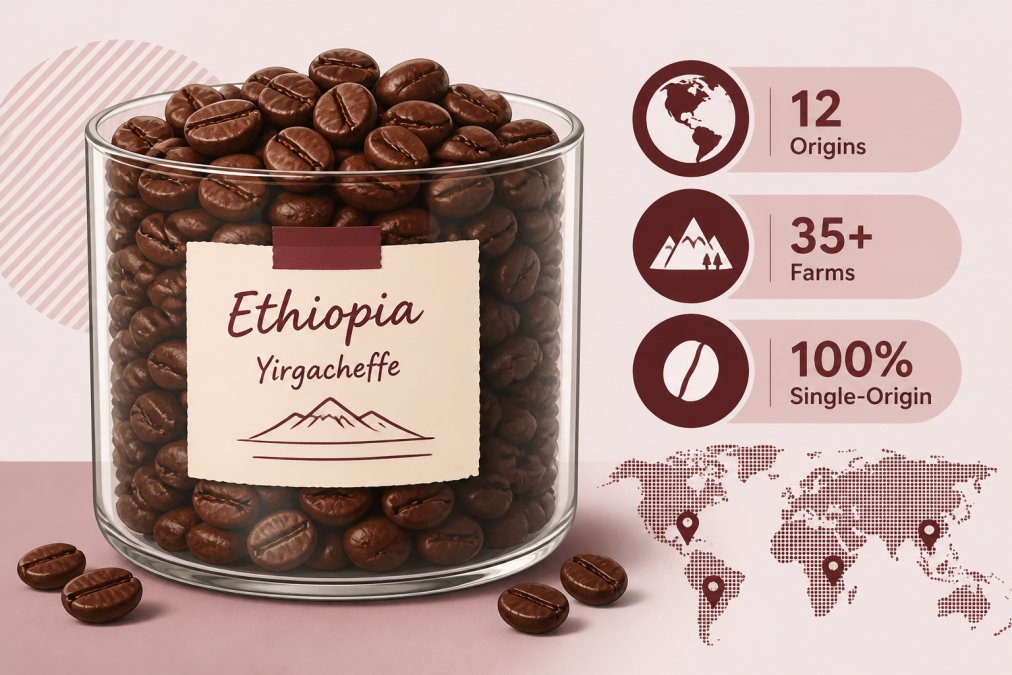
Single-origin coffees come from one specific farm, region, or country, allowing you to taste the unique characteristics of that place.
Global Single-Origin Exploration
The most rewarding aspect of specialty coffee is discovering how the same bean variety tastes completely different depending on altitude, climate, processing method, and the farmer's decisions. A single-origin subscription that rotates through different origins each month teaches these distinctions faster than any other approach.
Look for subscriptions that provide detailed origin information: farm name, altitude, processing method (washed, natural, honey-processed), harvest date, and tasting notes. This context transforms a bag of beans into a story.
The best single-origin subscriptions explain how processing method affects flavor. Washed coffees tend toward clarity and brightness. Natural-processed coffees develop fruitier, sometimes wilder flavors. Honey-processed splits the difference.
Traceability and Tasting Notes
Traceability means you can follow the coffee from farm to cup. The best subscriptions provide farm names, farmer names, GPS coordinates sometimes, and photos from the origin. This signals genuine direct trade relationships.
Tasting notes describe what you should taste. A note of "blueberry and dark chocolate" tells you to expect fruity brightness with deep, rich undertones. These come from the roaster's cupping and reflect how they roasted the beans.
Learn to read tasting notes critically. Specific, differentiated notes signal careful attention to each coffee's unique characteristics.
Top Specialty Coffee Subscription Services for 2026
Premium Roast-to-Order with Ethical Sourcing
Lux Brew Coffee Co. roasts every batch to order and ships within hours. This commitment to freshness is non-negotiable; beans arrive at peak flavor, not weeks after roasting. Their sourcing focuses on ethical family farms with transparent direct trade relationships, so you know exactly where your coffee comes from and that the farmer was paid fairly. The subscription offers flexibility to adjust frequency, skip months, or change selections without penalty. For coffee enthusiasts who prioritize freshness and ethical sourcing, Lux Brew Coffee Co. delivers specialty-grade beans that showcase origin complexity.
Personalized Discovery from Multiple Roasters
Trade Coffee operates a marketplace connecting you to over 450 coffees from dozens of independent roasters across the United States. After completing a taste preference quiz, their algorithm recommends coffees that match your profile. You can adjust recommendations, skip months, or change frequency easily with free shipping on subscription orders. The downside is inconsistency; quality and freshness vary between roasters. But for discovering small roasters and exploring diverse flavor profiles, Trade Coffee excels at matching you with coffees you'll enjoy.
Curated World-Tour Experience
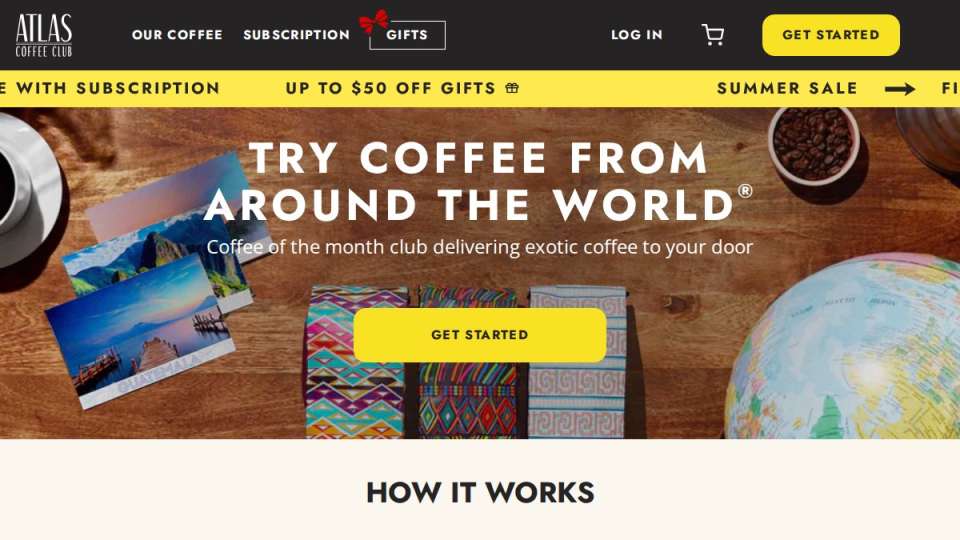
Atlas Coffee Club selects a single-origin coffee from a new country each month and delivers it with educational materials including tasting notes, origin history, and a postcard from the region. This curated exploration is perfect for adventurous coffee drinkers who want guided discovery without decision fatigue. They work directly with coffee farmers, emphasizing traceability. Grind options include whole bean, pour-over, French press, espresso, and Aeropress compatibility. A 30-day money-back guarantee reduces the risk of disliking a selection.
Sustainability-Focused Single-Origin Selection
Driftaway Coffee emphasizes sustainability and farmer connection alongside quality. They roast single-origin beans and use plastic-free packaging with carbon-neutral shipping. A personalized tasting kit helps them understand your preferences, then they recommend coffees that match your profile. You can adjust frequency and bag size. For environmentally conscious coffee drinkers prioritizing sustainable sourcing and personalized recommendations, Driftaway's commitment to reducing waste is genuine.
Independent Roaster Support with Full Control
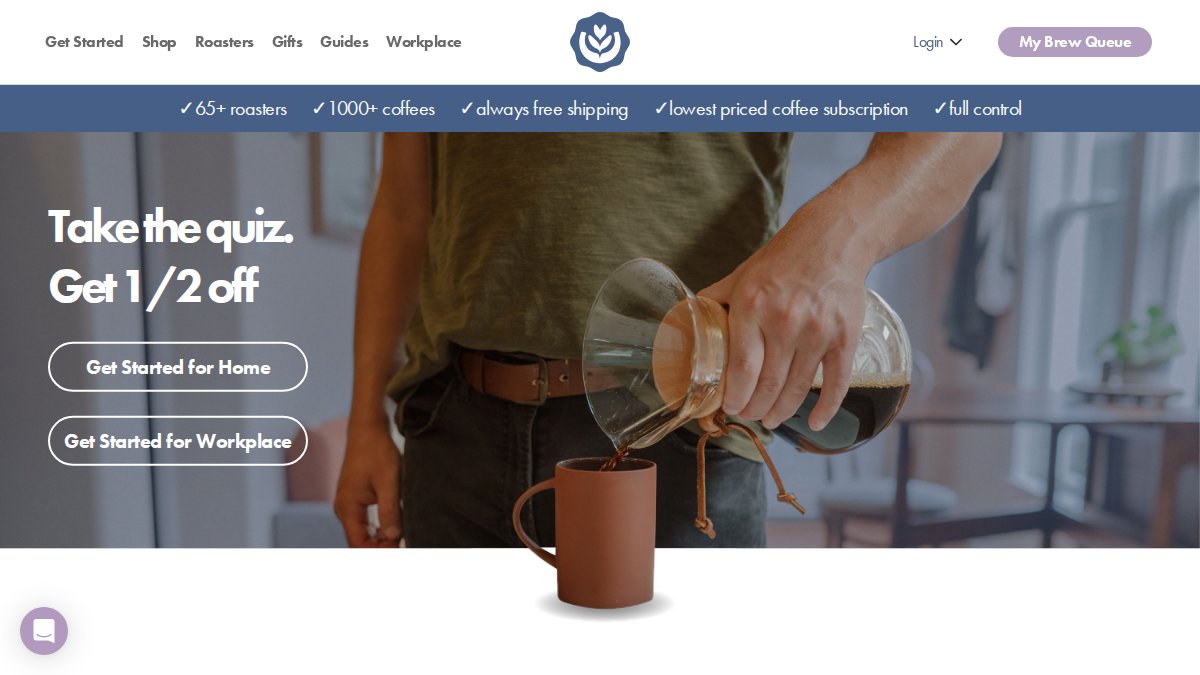
Crema.co connects you to small, independently owned roasters and lets you build a "Brewlist" of preferred coffees. You queue the coffees you want, they're roasted to order and shipped directly from each roaster, and you control your delivery frequency. This approach maximizes support for independent roasters and gives you complete selection control. Free shipping in the U.S. is a significant advantage. For coffee enthusiasts who know what they want and want to support small roasters, Crema.co offers unmatched control.
Subscription Management, Flexibility, and Cancellation
The subscription experience doesn't end at purchase. How easily you can skip months, adjust frequency, change selections, or cancel determines whether a subscription remains convenient or becomes frustrating.
Skipping Months and Adjusting Frequency
The best subscriptions let you skip upcoming shipments without penalty or require you to cancel and rejoin. Look for subscriptions with a simple dashboard where you can pause for a month, adjust frequency, or change bag size without contacting customer service.
Avoid subscriptions that require you to contact support to skip a month or that impose cancellation fees. A subscription that makes it easy to pause is confident you'll return because the product is good.
Return Policies and Satisfaction Guarantees
Some subscriptions offer money-back guarantees if you don't love the coffee, signaling confidence in quality and removing purchase risk. A 30-day guarantee is standard.
Return policies vary. Some accept returns of unopened bags; others won't. If you're trying a new subscription, a satisfaction guarantee reduces the risk of paying for coffee you don't enjoy.
Packaging, Waste, and Sustainability Considerations
Specialty coffee subscriptions generate packaging waste. Environmentally conscious consumers should evaluate the sustainability of these materials.
Plastic-Free and Carbon-Neutral Shipping
Some subscriptions use compostable mailers, recyclable cardboard, and bags made from paper or kraft materials instead of plastic. If sustainability matters to you, ask about packaging materials before subscribing.
Carbon-neutral shipping means the company offsets emissions from shipping through verified programs, increasingly common among premium subscriptions.
Shelf Life and Freshness Preservation
Coffee stays fresh longest in sealed bags away from light, heat, and moisture. Most specialty coffee bags use one-way valves that let CO2 escape without letting oxygen in, essential for freshly roasted beans.
Bags with one-way valves stay fresh for 4-6 weeks after roasting. After opening, coffee stays fresh for 2-3 weeks if stored in an airtight container away from light.
A subscription that arrives within 10 days of roasting gives you 3-4 weeks of peak freshness after opening.
Conclusion: Finding Your Best Specialty Coffee Match
Choosing a specialty coffee subscription comes down to what matters most to you: freshness, ethical sourcing, discovery, control, sustainability, or cost. No single subscription optimizes all dimensions, so prioritize what aligns with your values and brewing habits.
If freshness is paramount and you want to support ethical family farms, Lux Brew Coffee Co. delivers on both fronts with roast-to-order production shipped within hours and transparent direct trade relationships. Their specialty-grade coffees showcase origin complexity because they're roasted fresh. Start with their subscription and adjust frequency based on your consumption rate; you can skip months without penalty if needed.
Frequently Asked Questions
What makes a coffee subscription 'specialty' compared to regular coffee?
Specialty coffee subscriptions focus on high-grade, single-origin beans with documented sourcing, cupping notes, and specific roast profiles. Unlike grocery store coffee, specialty subscriptions emphasize traceability, freshness through roast-to-order models, and tasting notes that highlight acidity, body, and flavor complexity. Many partner directly with ethical family farms using direct trade or fair trade practices, ensuring both quality and farmer support.
How do I choose the best specialty coffee subscription for my taste preferences?
Start by identifying your preferred roast profile, light roasts highlight origin characteristics, medium roasts balance acidity and body, while dark roasts offer deeper, bolder flavors. Consider whether you want curated selections or personalized recommendations based on a taste quiz. Evaluate subscription frequency (weekly, bi-weekly, monthly) against your consumption rate, and check if the service offers whole bean versus pre-ground options for your brewing method (pour-over, espresso, cold brew). Finally, compare cost-per-cup and whether the roaster provides detailed tasting notes.
Are specialty coffee subscriptions worth the higher cost compared to buying single bags?
The value depends on your priorities. Specialty subscriptions deliver roasted-to-order freshness within hours, ensuring peak flavor profile development and optimal shelf life. You gain access to small-batch, ethically sourced beans unavailable in stores, with detailed processing method information (washed, natural, honey process). While cost-per-cup is higher than commercial coffee, subscribers typically report noticeably better taste, especially with single-origin varieties where altitude, harvest season, and terroir create distinct flavor complexity.
What's the difference between curated and personalized specialty coffee subscriptions?
Curated subscriptions select coffee for you based on a theme, like a monthly single-origin from a new country or roaster-chosen blends, offering discovery without customization. Personalized subscriptions use a taste quiz to match you with specific roast profiles and flavor preferences from their catalog, then adjust recommendations based on your feedback. Personalized options provide more control but require active engagement, while curated services simplify the decision-making process for those who enjoy surprise and exploration.
Can I pause or cancel a specialty coffee subscription easily?
Flexibility varies by service. Most specialty coffee subscriptions allow you to skip months, adjust delivery frequency, or pause temporarily without penalty. However, cancellation friction differs, some services make it seamless through your account dashboard, while others may require contacting customer service. Before subscribing, check the cancellation policy and whether the service offers a satisfaction guarantee. This is especially important if you're concerned about accumulating too much coffee or want to trial the service first.
Do specialty coffee subscriptions ship quickly enough for rural areas?
Roast-to-order services ship within hours of roasting to ensure freshness, but overall delivery time depends on your location and carrier. Urban and suburban areas typically receive shipments within 2-4 business days. Rural delivery can take longer due to carrier routing, though many specialty services offer free or flat-rate shipping nationwide. When evaluating a subscription, verify their shipping map coverage and ask about delivery timeframes for your zip code, some roasters provide real-time shipping estimates before you subscribe.
What should I look for in a specialty coffee subscription's sourcing and sustainability practices?
Verify direct trade or fair trade certifications, which ensure farmers receive equitable compensation and traceability. Check if the roaster publishes information about specific farms or regions, harvest seasons, and processing methods (washed, natural, honey process). Look for sustainability commitments like B Corp certification, carbon-neutral shipping, or plastic-free packaging. Reputable services provide tasting notes and origin stories, not just vague 'ethical sourcing' claims. This transparency demonstrates genuine commitment to both quality and social responsibility.
The specialty coffee subscription market has matured enough that every major player delivers decent quality. The difference now lies in freshness guarantee, sourcing transparency, and subscription flexibility. Find a roaster or service that aligns with these priorities, commit to three months of exploration, and adjust based on what you actually enjoy drinking. The best specialty coffee subscription 2026 is the one you'll actually use and renew.
This article was written using GrandRanker