

Table of Contents
- Aroma Ridge vs Coava Coffee Beans: Head-to-Head Overview
- Flavor Profiles and Tasting Notes
- Sourcing, Sustainability, and Bean Quality Standards
- Roasting Techniques and Freshness Guarantees
- How to Choose Fresh Coffee Beans Between These Two
- Single-Origin vs Blend Coffee Beans: Which Roaster Does It Better
- Subscription Models, Delivery, and Price-Per-Ounce Value
- Brewing Recommendations and Equipment Compatibility
Last Updated: August 6, 2026
Aroma Ridge vs Coava Coffee Beans: Head-to-Head Overview
When comparing specialty coffee beans, the choice between Aroma Ridge and Coava Coffee comes down to flavor intensity, sourcing philosophy, and freshness. Both roasters focus on single-origin selections and direct relationships with growers, but they approach roasting and delivery differently. This comparison shows you exactly where each excels.
The specialty coffee market has shifted toward freshness guarantees and transparent sourcing. Winners are those who roast to order and ship immediately. This guide breaks down the real differences: flavor profiles, roasting techniques, sourcing practices, subscription flexibility, and price-per-ounce value.
Flavor Profiles and Tasting Notes
Aroma Ridge Flavor Characteristics
Aroma Ridge builds its reputation on bold, fruit-forward single-origin selections with pronounced acidity and complexity. Their lighter and medium roasts highlight the origin's natural characteristics. Common tasting notes include bright citrus, stone fruit, and floral undertones, profiles that shine in pour-over and French press brewing.
The acidity sits on the brighter end of the spectrum, creating a lively cup with pronounced flavor development. Their medium roasts preserve origin flavor, letting you taste the terroir, the environmental factors that shaped the beans in their growing region.
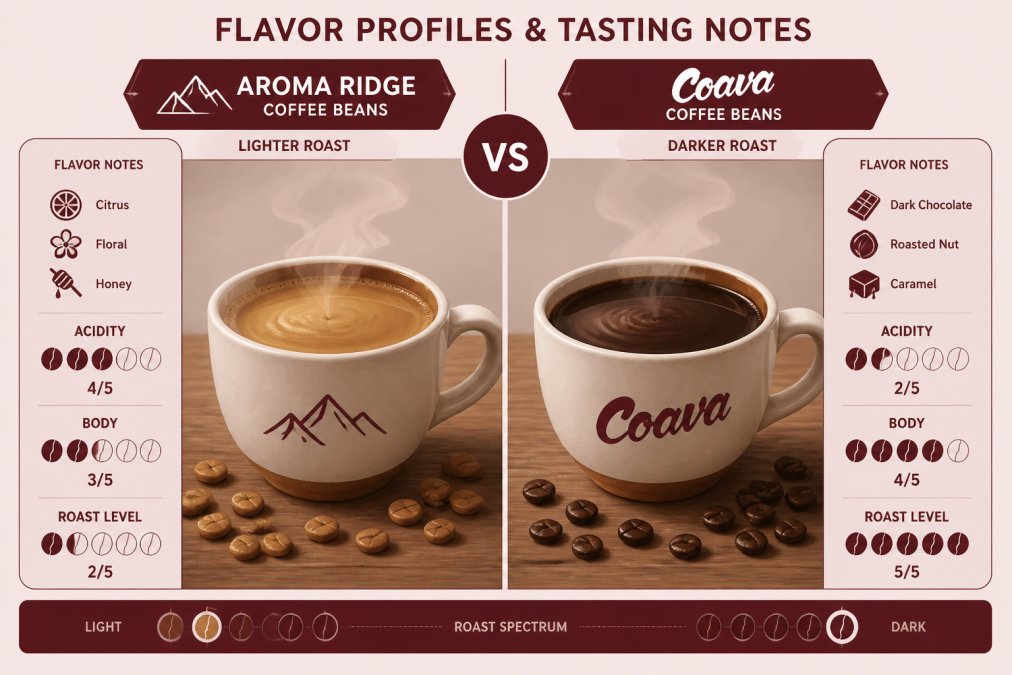
Aroma Ridge rotates seasonal selections frequently, keeping their catalog fresh but meaning your favorite bean might disappear for months. Their sourcing emphasizes smaller farms and microlots, translating to limited availability and higher prices per pound. If you enjoy discovering new flavor profiles, their approach rewards that preference.
Coava Coffee Flavor Characteristics
Coava favors medium-dark to dark roasts that bring out chocolate, caramel, toffee, and nutty notes. Their beans deliver heavier body and lower acidity, creating a smoother mouthfeel. The aftertaste tends toward cocoa and candied pecans rather than bright citrus.
This roasting philosophy makes Coava's beans particularly suited to espresso and milk-based drinks. The darker roast stands up to steaming and mixing without getting lost. Coava maintains a stable year-round lineup, meaning consistency. You can order the same bean in January and August and expect nearly identical flavor. Their blends combine beans from multiple origins to achieve balanced flavor, whereas Aroma Ridge emphasizes single-origin purity.
Sourcing, Sustainability, and Bean Quality Standards
Aroma Ridge publishes detailed information about individual farms, including farmer names and payment practices. They work with fewer farms but maintain deeper relationships, often visiting producers personally. This transparency appeals to consumers who want to trace their coffee back to a specific family or cooperative.
Coava emphasizes direct trade relationships and participates in third-party sustainability certifications. They work with a broader network of suppliers, allowing them to maintain consistent supply even when individual farms have poor harvests.
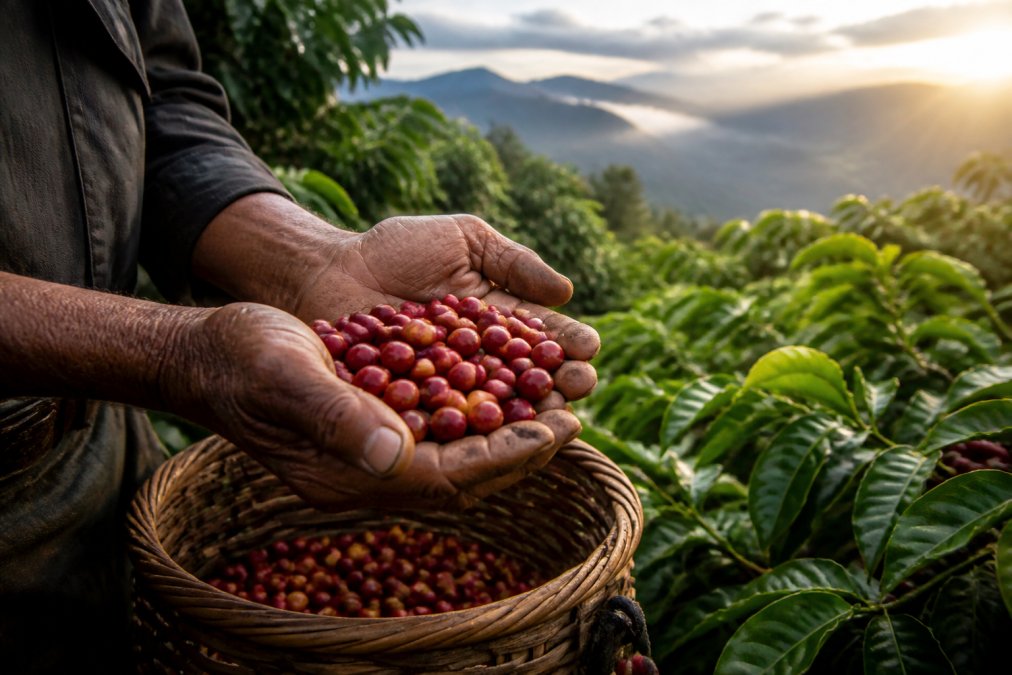
Both roasters source specialty-grade beans, which means they've passed rigorous grading on defects, size, and density. Aroma Ridge tends to select beans from higher elevations, which develop more complex flavor compounds. Coava prioritizes beans that roast evenly and consistently, supporting their preference for darker, more forgiving roasts.
Roasting Techniques and Freshness Guarantees
Aroma Ridge roasts to order for most offerings, meaning your beans are roasted within days of your order and shipped immediately. This guarantees peak freshness, though it means slower turnaround, most orders arrive 5-7 business days after purchase.
Coava roasts in larger batches and maintains inventory, allowing faster shipping but introducing a freshness trade-off. Your beans might be 2-3 weeks old when they arrive. For pour-over and single-origin brewing where you're highlighting subtle flavors, fresher beans win.
Aroma Ridge uses shorter roast times to preserve acidity and origin flavor, pulling beans at the end of first crack or just into second crack. Coava roasts longer, developing deeper caramelization and body. Coffee stays fresh for about two weeks after roasting if stored in an airtight container away from light and heat, so a fresher arrival date gives you a longer usable window.
How to Choose Fresh Coffee Beans Between These Two
Choosing between these roasters depends on three questions: What brewing method do you use most? How much flavor complexity do you want? How much are you willing to pay for freshness?
If you brew pour-over, AeroPress, or Chemex regularly, Aroma Ridge's brighter, more complex profiles shine. These brewing methods highlight acidity and subtle flavor notes that get buried in milk drinks. The fresher roast-to-order guarantee also matters more here.
If you make espresso, cappuccinos, or lattes most days, Coava's darker roasts and heavier body integrate better with milk. The faster shipping is practical, and slightly older beans don't matter because milk and heat mask the difference.
Price sensitivity matters too. Aroma Ridge's seasonal selections and small-batch sourcing command premium prices. Coava's larger-scale operation allows lower per-pound costs. If you're brewing several cups daily, the cumulative cost difference becomes significant.
Single-Origin vs Blend Coffee Beans: Which Roaster Does It Better
Single-origin beans come from one farm or region. Blends combine beans from multiple origins. This distinction changes what you're tasting and why.
Aroma Ridge specializes in single-origin selections. Each bean tells a story about its specific farm, altitude, processing method, and climate. Single-origin brewing lets you taste those distinctions. The trade-off: single-origins are inconsistent batch-to-batch because farming is inconsistent.
Coava leans toward blends, combining beans to achieve consistent flavor profiles. Blends are more forgiving, if one origin has an off-harvest, they adjust the recipe slightly and the customer barely notices. For espresso specifically, blends often outperform single-origins because espresso's high pressure amplifies any inconsistency in the beans.
Neither is objectively better. Single-origin suits exploration and pour-over brewing. Blends suit consistency and espresso.
Subscription Models, Delivery, and Price-Per-Ounce Value
Aroma Ridge subscriptions lock you into monthly deliveries of their current selection. You can pause or skip months, but you can't easily swap flavors mid-month. Coava subscriptions offer more flexibility, you choose your beans each month and can adjust frequency without penalty.
Aroma Ridge's roast-to-order model means 5-7 days minimum from order to arrival. Coava ships within 1-2 business days. If you need beans quickly, Coava is practical. If you're planning ahead, Aroma Ridge's delay isn't a problem.
Aroma Ridge charges more per pound but guarantees fresher beans and single-origin complexity. Coava charges less but offers slightly older inventory and consistent blends. If you're buying single bags occasionally, Aroma Ridge's freshness advantage justifies the premium. If you're committing to a subscription and brewing daily, Coava's lower cost makes more financial sense.
Brewing Recommendations and Equipment Compatibility
Aroma Ridge's lighter and medium roasts excel in pour-over, AeroPress, and Chemex. These methods use paper or metal filters and longer contact times, which highlight acidity and complexity. Grind size should be medium-fine for pour-over, coarser for French press.
Coava's medium-dark and dark roasts perform best in espresso machines and milk-based drinks. The darker roast's body stands up to high pressure and steaming. Grind size needs to be fine for espresso, medium for Moka pot.
For French press, both roasters work, but Coava's heavier body is more forgiving. Keep beans in airtight containers away from light, heat, and moisture. Grind just before brewing, pre-ground coffee stales faster. A burr grinder (not blade) makes a measurable difference in cup quality.
Water quality matters too. Hard water or chlorinated tap water masks subtle flavor notes. If your local water is poor, filtering or using bottled water brings out more of what you paid for in premium beans.
Choosing between Aroma Ridge and Coava comes down to your brewing ritual and what you value most. If you prioritize freshness, complexity, and exploration, Aroma Ridge's roast-to-order single-origins deliver. If you want consistency, convenience, and balanced flavor at a lower price point, Coava's approach works better.
The real winner is upgrading from grocery-store coffee to either of these specialty roasters. The difference in cup quality is dramatic. At Lux Brew Coffee Co., we believe the best coffee is the one you'll actually drink regularly, whether that's a bold single-origin pour-over or a consistent espresso blend. Both roasters deliver that quality. Your choice should reflect your brewing method, budget, and how much you enjoy the discovery process.
| Factor | Aroma Ridge | Coava Coffee |
|---|---|---|
| Roast Style | Light to medium | Medium-dark to dark |
| Flavor Profile | Bright, fruity, floral, high acidity | Smooth, chocolaty, caramel, lower acidity |
| Sourcing | Single-origin, small farms, direct relationships | Blends, broader supplier network, certified |
| Freshness | Roasted to order, 5-7 day delivery | Batch roasted, 1-2 day delivery |
| Best For | Pour-over, AeroPress, Chemex | Espresso, lattes, milk drinks |
| Subscription Flexibility | Curated monthly, can pause | Choose each month, adjust frequency |
| Price Point | Premium | Moderate |
According to [the Specialty Coffee(https://mz0ty3-nq.myshopify.com/blogs/news/single-origin-vs-specialty-coffee-blends) Association standards | sca.coffee], specialty-grade coffee must score above 80 points on a 100-point scale, with zero defects in the sample. Both roasters meet or exceed this standard, which is why their beans cost more than commodity-grade coffee.
Research from the National Coffee Association's consumption trends shows that specialty coffee drinkers brew at home more frequently than they visit cafes, prioritizing quality over convenience. This shift explains why roast-to-order models like Aroma Ridge's have gained traction.
The Coffee Institute's guide to coffee freshness confirms that beans reach peak flavor 5-7 days after roasting and begin declining noticeably after two weeks. This validates Aroma Ridge's roast-to-order advantage for people who brew daily and care about flavor development.
Frequently Asked Questions
What are the main differences between Aroma Ridge and Coava coffee beans?
Aroma Ridge and Coava differ in roasting philosophy, sourcing regions, and flavor intensity. Aroma Ridge emphasizes medium roasts with balanced acidity and chocolaty notes, while Coava focuses on single-origin beans with pronounced tasting notes like caramel and date. Both prioritize specialty-grade beans, but Coava's direct trade model and Aroma Ridge's roast-to-order approach create distinct freshness and sustainability profiles. Your choice depends on whether you prefer balanced blends or distinctive single-origin character.
How do I choose fresh coffee beans between these two roasters?
Prioritize roast date and roast-to-order guarantees. Both roasters ship recently roasted beans, but check their specific freshness windows. For single-origin beans, verify the country of origin and processing method, as these directly affect flavor. Consider your brewing method: lighter roasts suit pour-over and Aeropress, while medium roasts work well with French press and espresso. Test a small bag first to evaluate the flavor profile against your palate before committing to a subscription.
Is single-origin or blend coffee better for my brewing ritual?
Single-origin beans showcase distinct regional characteristics, acidity, body, and aftertaste tied to their specific origin, making them ideal if you want to taste coffee's complexity. Blends combine beans from multiple origins to achieve consistent flavor profiles and smoother mouthfeel, which appeals to those seeking reliable, balanced cups. Aroma Ridge excels at blends, while Coava specializes in single-origin offerings. Start with single-origin to explore flavor diversity, then try blends if you prefer predictability and smoothness.
Does either roaster offer subscription services with flexibility?
Both roasters offer subscription services for home brewers, but flexibility terms vary. Most specialty coffee subscriptions allow you to adjust frequency, skip months, or pause without penalty. Verify each roaster's specific subscription policy regarding delivery schedules, minimum commitments, and cancellation terms before signing up. This is especially important if you're concerned about coffee piling up or need to adapt your ordering based on consumption.
This article was written using GrandRanker